Get your free personalized podcast brief
We scan new podcasts and send you the top 5 insights daily.
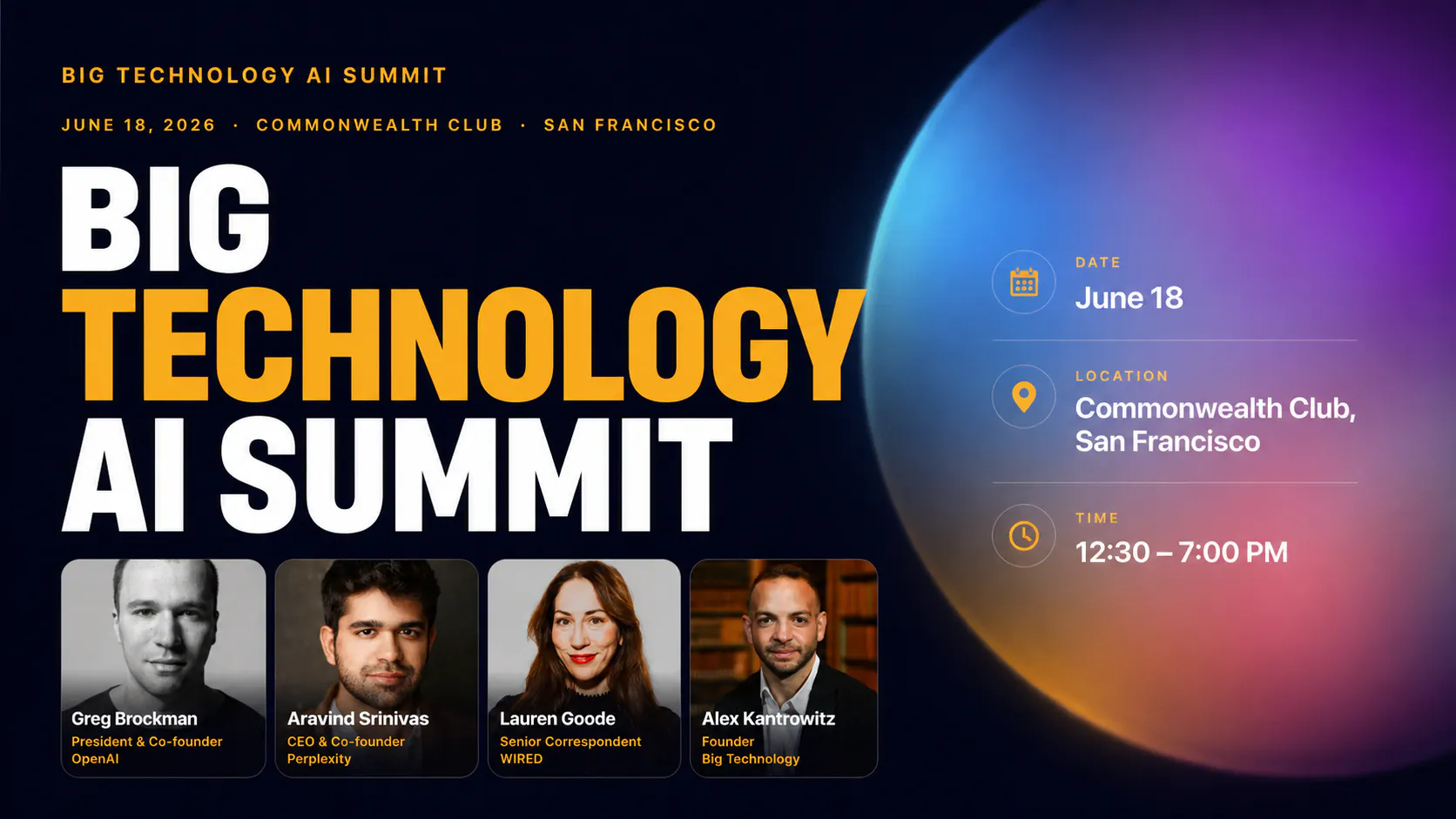
The podcast is launching its first live summit by deliberately capping attendance at 200-250 people. This 'less is more' strategy creates an intimate, high-value experience that contrasts with massive tech trade shows, fostering better networking and a sense of exclusivity that mirrors the podcast's conversational style.
Related Insights
Endeavor CEO Ari Emanuel calls his focus on live events "the opposite of an AI bet." The logic is that as AI makes digital content abundant, the scarcity and value of real-world, in-person human experiences will skyrocket. This is a powerful counter-narrative that leverages the AI trend to its advantage.

For its first AI summit, Big Technology is intentionally using a 'reasonable' price point, explicitly avoiding the high costs of typical tech conferences. This strategy aims to build a strong foundational audience from its community, ensuring the first event's success and paving the way for it to become a recurring annual fixture.
As AI drives the marginal cost of digital content to zero, unique, in-person events become increasingly valuable. This is a strategic bet on the enduring human need for social connection and status, which cannot be digitally replicated. Value shifts from the digital to the physical.
![Ari Emanuel - The Anti-AI Bet - [Invest Like the Best, EP.448] thumbnail](https://megaphone.imgix.net/podcasts/c5910280-c4dd-11f0-94be-ab6a7a5865b0/image/1e5a2263eb62fcde200846919e24419a.jpg?ixlib=rails-4.3.1&max-w=3000&max-h=3000&fit=crop&auto=format,compress)
While competitors focus on scalable AI and digital products, a significant, less-crowded opportunity exists in high-touch, in-person (IRL) experiences. This "anti-trend" approach creates a strong competitive moat and appeals to audiences fatigued by digital overload.

Christian Muche's event "Possible" thrives by targeting the gap between small, 200-person boutique events and massive 60,000-person conferences. This middle ground allows for meaningful connections at a larger scale than niche events, but with more focus and curation than mega-events.

As digital interactions become saturated with AI and feel less authentic, professionals will seek genuine connection. This will drive a resurgence in small, local, and niche in-person events like masterminds and community meetups, moving beyond large, impersonal conferences.

The most important part of a specialized conference isn't the talks, which are typically recorded, but the 'hallway track'—the unstructured conversations with speakers and other expert attendees. Maximizing this value requires intentionality and a clear goal for engagement, as these serendipitous connections are the primary reason to attend in person.
![⚡ [AIE CODE Preview] Inside Google Labs: Building The Gemini Coding Agent — Jed Borovik, Jules thumbnail](https://assets.flightcast.com/V2Uploads/nvaja2542wefzb8rjg5f519m/01K4D8FB4MNA071BM5ZDSMH34N/square.jpg)
The hosts emphasize the growing importance and "magic" of live, in-person events. In an increasingly digital world, the ability to interact with like-minded people in a specific niche has become a premium experience, fostering deeper connections than online engagement alone.

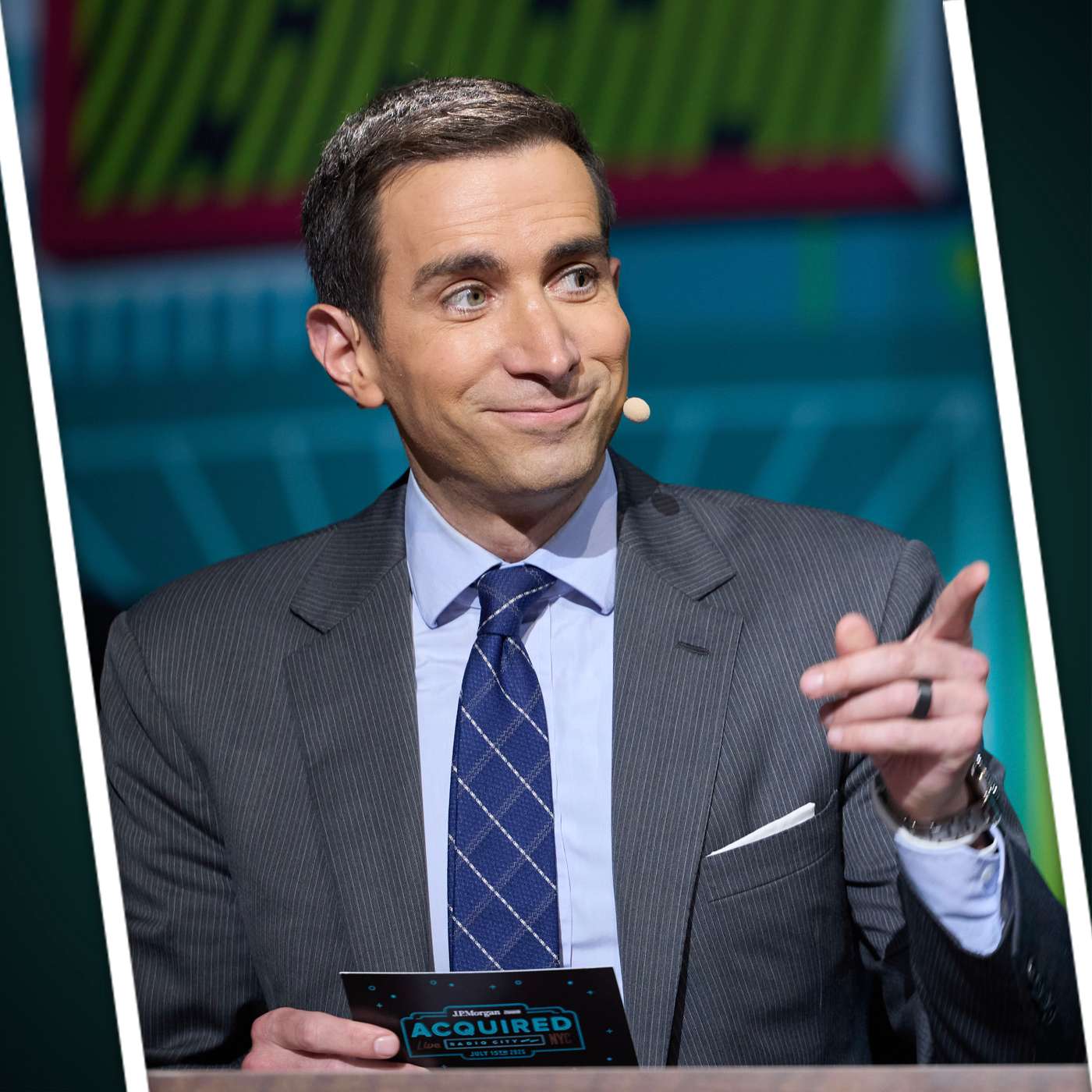
Andrew Ross Sorkin emphasizes that for the DealBook Summit, the audience is as important as the stage talent. By filling the room with peers and other influential leaders, speakers feel compelled to engage more deeply, knowing they are being judged by people whose opinions matter to them.
As AI makes high-quality digital outreach easy to create, inboxes and call lists are saturated. Small, intimate, in-person events have become a non-scalable but highly effective way to cut through digital noise and build genuine relationships.
