Get your free personalized podcast brief
We scan new podcasts and send you the top 5 insights daily.
The modern marketing flywheel requires testing creative organically, then amplifying winners with paid media. An agency that only handles one part of this process cannot be fully accountable for results. To prove ROI, agencies must offer both creative development and media buying as an integrated service.

Related Insights
Relying solely on data leads to ineffective marketing. Lasting impact comes from integrating three pillars: behavioral science (the 'why'), creativity (the 'how' to cut through noise), and data (the 'who' to target). Neglecting any one pillar cripples the entire strategy.

Before allocating media spend, post content organically. The unaided reach and engagement it achieves serve as a direct, measurable indicator of the creative's quality and market resonance. This data turns the subjective 'art' of creative into a quantifiable metric for making ad-buying decisions.
Before scaling paid acquisition, invest in a robust brand system. A well-defined brand DNA (art direction, voice, tone) is not a vanity project; it's the necessary infrastructure to efficiently generate the thousands of cohesive creative assets required to test and scale performance marketing campaigns successfully.

Stop planning creative and media buys simultaneously. Instead, post creative organically first. Then, exclusively allocate media spend to amplify the content that has already demonstrated strong consumer engagement, forcing creative to be effective on its own merit before receiving paid support.
One-off creative hits are easy, but replicating them requires structure. Truly creative marketing integrates storytelling into a disciplined process involving data analysis (washups, SWAT), strategic planning, and commercial goals. This framework provides the guardrails needed to turn creative ideas into repeatable, impactful campaigns.
If your creative assets aren't culturally relevant, you're forced to overspend on media to achieve impact. Truly resonant content generates organic reach and makes paid amplification more efficient, a key argument for CFOs on the value of creative investment.
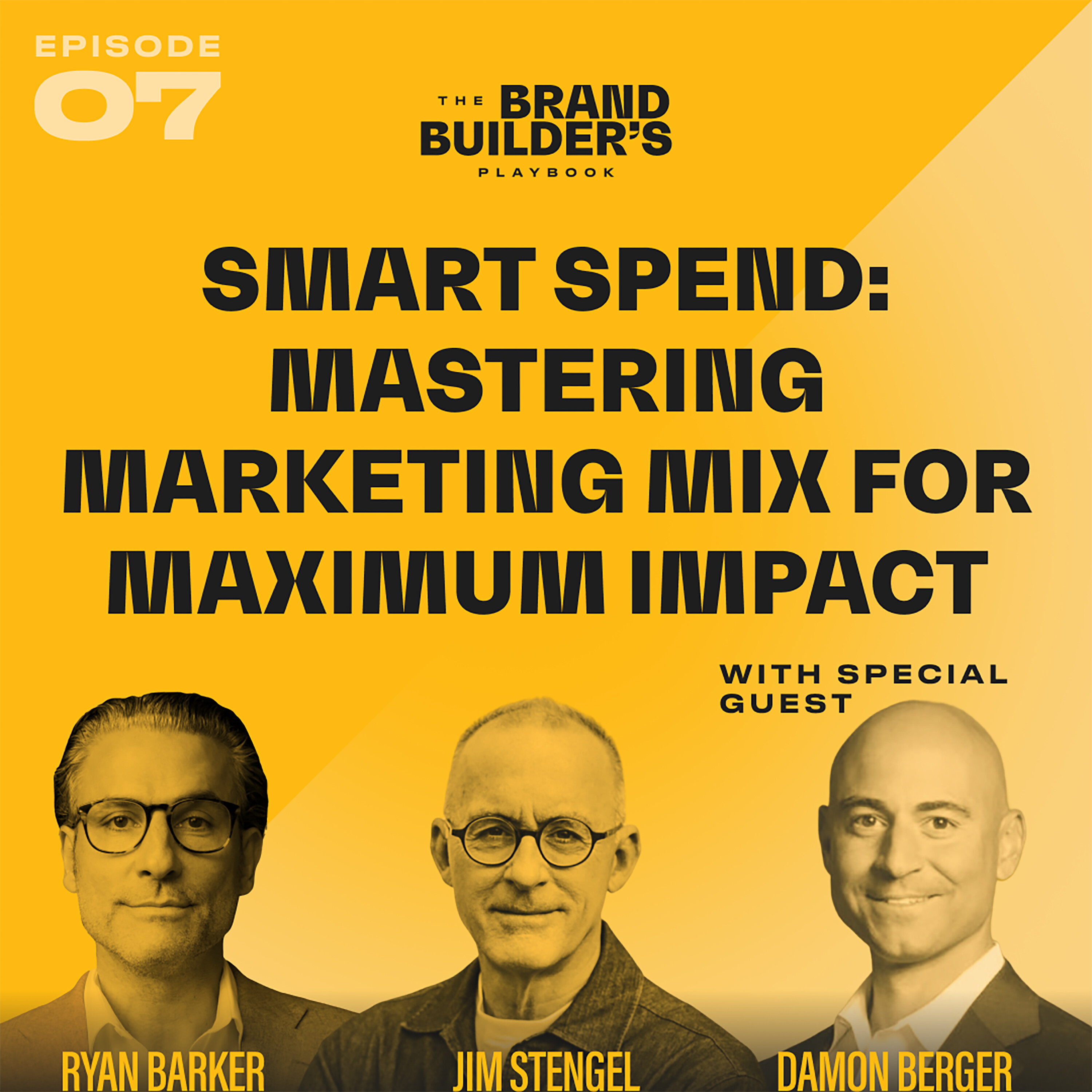
Agencies are optimized for efficiency, stifling the creative experimentation needed for platforms like Meta. Top-performing brands employ an in-house strategist whose sole job is generating a high volume of diverse, "wacky" ad concepts—a function that can't be effectively outsourced.

In the current "interest media" era, social platforms act as a free testing ground. Post content organically, identify what performs best with the algorithm, and only then invest media dollars to amplify those proven winners, eliminating expensive guesswork.
Don't judge channels like Facebook Ads or direct mail in isolation. True marketing success comes from a 'marketing mix' where multiple touchpoints—like yard signs, retargeting ads, and wrapped trucks—work together to create a compounding effect that builds brand recognition and momentum.

In mature ad markets, creative quality is the biggest variable for success, not media spend. High-performing companies now shift budget away from platforms like Meta and Google and reinvest it into producing more content. This superior creative makes the remaining, smaller media spend far more effective.