Get your free personalized podcast brief
We scan new podcasts and send you the top 5 insights daily.
The publication's successful YouTube channel was not an organic growth project but the result of a merger with Stacked Homes, a real estate media company. This move allowed them to instantly acquire a large, relevant video audience and integrate a high-production film offering into their business model.

Related Insights
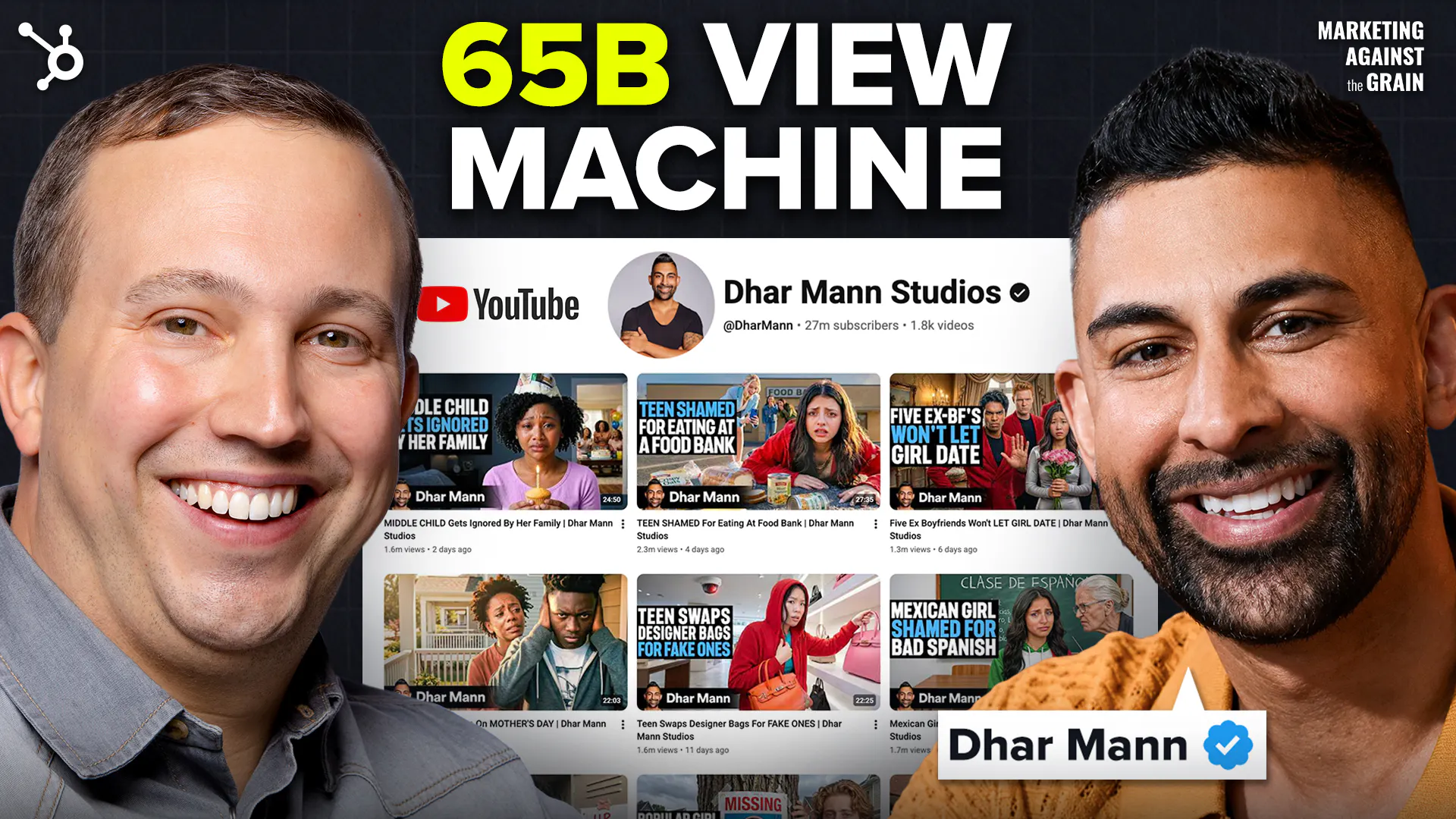
Dhar Mann leveraged his massive YouTube audience as a flywheel to build a multi-faceted media business. He diversified from platform ad revenue to partnerships with Samsung (FAST), Fox (Vertical Dramas), and a podcast. This proves a creator channel can be the foundation for a vertically integrated media company, not just an endpoint.
Independent creators with expensive video productions can solve the YouTube monetization gap by partnering with legacy media like NBC. This provides a crucial revenue stream while syndicating content to a different, often older, mainstream audience.

While a fellow creator treated YouTube as a personal blog, Hormozi applied a full-stack business approach with a dedicated team, high volume, and multi-platform distribution. This mindset difference led to exponential growth, demonstrating that platform success often hinges on operational intensity, not just content quality.

Traditional media companies are turning to successful YouTube creators to source proven concepts and talent. They offer upfront capital to scale existing YouTube IP into larger productions, creating a symbiotic relationship between once-separate platforms.

Instead of creating everything from scratch, Klue's Compete Network began by aggregating content and partnering with existing thought leaders. They provided the production 'plumbing,' allowing creators to focus on their expertise, which accelerated the network's growth and value.

Starter Story rejected the standard podcast-on-YouTube format, instead creating highly-produced, on-location mini-documentaries. This novel, high-effort approach built significant audience trust, drove massive viewership, and directly led to a 2-3x increase in business revenue from product sales, proving the ROI of quality video.
The acquisition of Weed Week, a one-person newsletter, reveals a smart M&A strategy. The parent company buys brands with excellent core content and audience trust, then leverages its own infrastructure to build a full media stack (events, ads, memberships) around that strong foundation.
The underlying driver for major media shifts, from studio mergers to the pivot of podcasts to video, is YouTube's complete platform domination. Its ability to distribute all types of content at scale is forcing legacy media to consolidate and creators to adapt to its video-first ecosystem.

Design Anthology leverages its popular YouTube channel, featuring beautiful home tours, as a "gateway drug." This accessible content attracts a broad audience, serving as a top-of-funnel marketing tool to introduce viewers to the deeper, specialized content within its premium subscription products.
A key opportunity exists in pairing successful creators, who have audience and cultural relevance but lack business infrastructure, with media companies that possess monetization engines but have lost touch with talent-driven content. This symbiotic relationship forms the basis for a modern media M&A strategy.
