Get your free personalized podcast brief
We scan new podcasts and send you the top 5 insights daily.
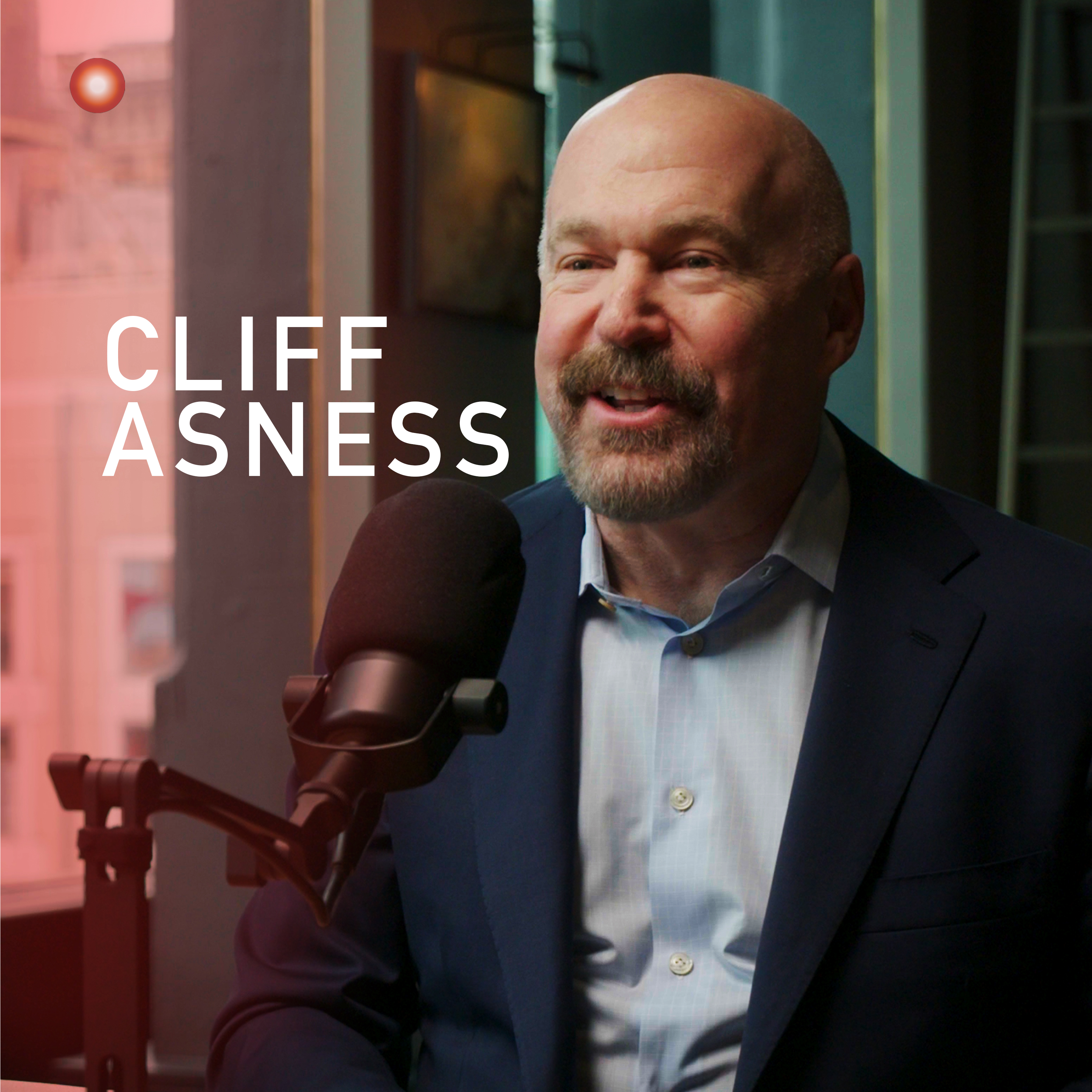
Cliff Asness differentiates two market manias: 2020 saw wider value spreads (pure valuation extremity). However, the dot-com bubble was uniquely dangerous because investors paid massive premiums for low-quality, "crap" companies—a toxic, multi-dimensional combination of risk factors.
Related Insights
Today's massive AI company valuations are based on market sentiment ("vibes") and debt-fueled speculation, not fundamentals, just like the 1999 internet bubble. The market will likely crash when confidence breaks, long before AI's full potential is realized, wiping out many companies but creating immense wealth for those holding the survivors.

A true bubble, like the dot-com crash, involves stock prices falling over 50% and staying depressed for years, with capital infusion dropping similarly. Short-term market corrections don't meet this historical definition. The current AI boom, despite frothiness, doesn't exhibit these signs yet.

During the bubble, a lack of profits was paradoxically an advantage for tech stocks. It removed traditional valuation metrics like P/E ratios that would have anchored prices to reality. This "valuation vacuum" allowed investors' imaginations and narratives to drive stock prices to speculative heights.

The dot-com era was not fueled by pure naivete. Many investors and professionals were fully aware that valuations were disconnected from reality. The prevailing strategy was to participate in the mania with the belief that they could sell to a "greater fool" before the inevitable bubble popped.

History shows that markets with a CAPE ratio above 30 combined with high-yield credit spreads below 3% precede periods of poor returns. This rare and dangerous combination was previously seen in 2000, 2007, and 2019, suggesting extreme caution is warranted for U.S. equities.

Asnes employs a strict framework before using the word "bubble." He will only apply the label after exhaustively attempting—and failing—to construct a set of assumptions, however improbable, that could justify observed market prices. This separates mere overvaluation from true speculative mania disconnected from reality.

Instead of a vague label, Cliff Asness uses a rigorous test for a bubble: can you make the math work? He takes a stock like Cisco in 2000, assumes unprecedented growth for a decade, and if the valuation *still* doesn't make sense, he considers it a bubble.
A macro strategist recalls dot-com era pitches justifying valuations with absurd scenarios like pets needing cell phones or a company's tech being understood by only three people. This level of extreme mania highlights a key difference from today's market, suggesting current hype levels are not unprecedented.
A market isn't in a bubble just because some assets are expensive. According to Cliff Asness, a true bubble requires two conditions: a large number of stocks are overvalued, and their prices cannot be justified under any reasonable financial model, eliminating plausible high-growth scenarios.

Marks argues that speculative bubbles form around 'something new' where imagination is untethered from reality. The AI boom, like the dot-com era, is based on a novel, transformative technology. This differs from past manias centered on established companies (Nifty 50) or financial engineering (subprime mortgages), making it prone to similar flights of fancy.
