Get your free personalized podcast brief
We scan new podcasts and send you the top 5 insights daily.
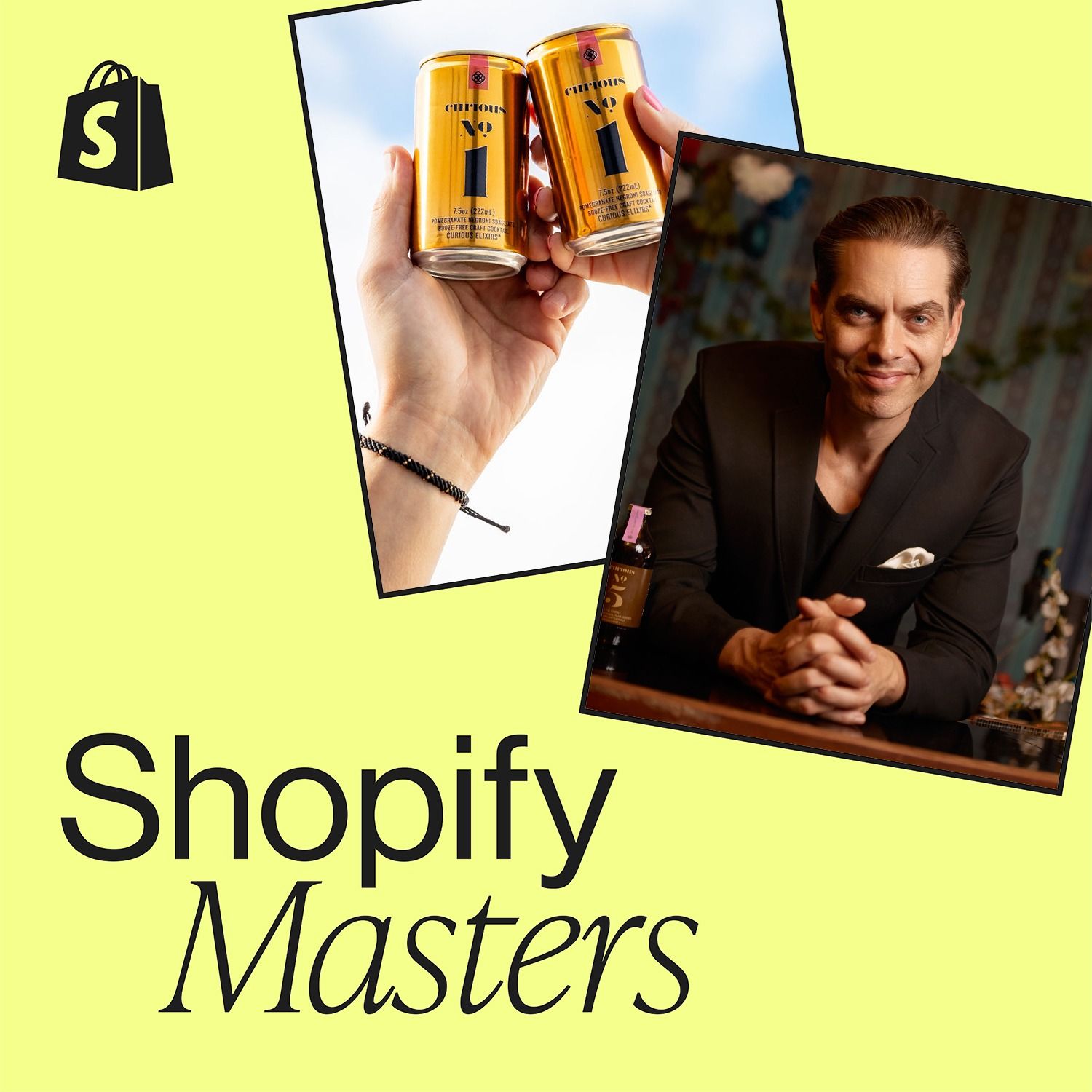
The final catalyst to start Curious Elixirs was hearing Martha Stewart state she never once doubted her business would succeed. The founder decided he could "borrow that confidence," treating an idol's mindset as a tangible asset to overcome his own hesitation and launch.
Related Insights
True entrepreneurial success stems from a deep-seated, almost irrational belief that exists before the skills or evidence to support it. Daniel Ek and the founder of Sony both exemplify this, possessing a powerful conviction in their potential long before they achieved massive success.

The belief required to start a company that solves a massive, complex problem like communication isn't confidence, but a form of delusion. This mindset allows founders to persist through challenges that a more realistic person might abandon, especially when a problem seems fundamentally unsolvable.

Peterffy saw his boss, a psychiatrist with no market background, become a gold trading expert. This observation, combined with his boss's refusal to expand into new areas, gave Peterffy the confidence to leave and start his own firm, believing "if he can figure it out, so can I."

Mary Kay’s core philosophy, learned from her mother's "You can do it" calls, was that ordinary people achieve extraordinary things when someone relentlessly believes in them. This principle—transferring belief before ability is proven—became her company's unofficial motto and operating system for success.
![Mary Kay Ash: The Greatest Saleswoman In History [Outliers] thumbnail](https://megaphone.imgix.net/podcasts/e183b016-cec7-11f0-90ea-27c38ce45de8/image/2d94065a7777f6297ba9350dd7be6b66.png?ixlib=rails-4.3.1&max-w=3000&max-h=3000&fit=crop&auto=format,compress)
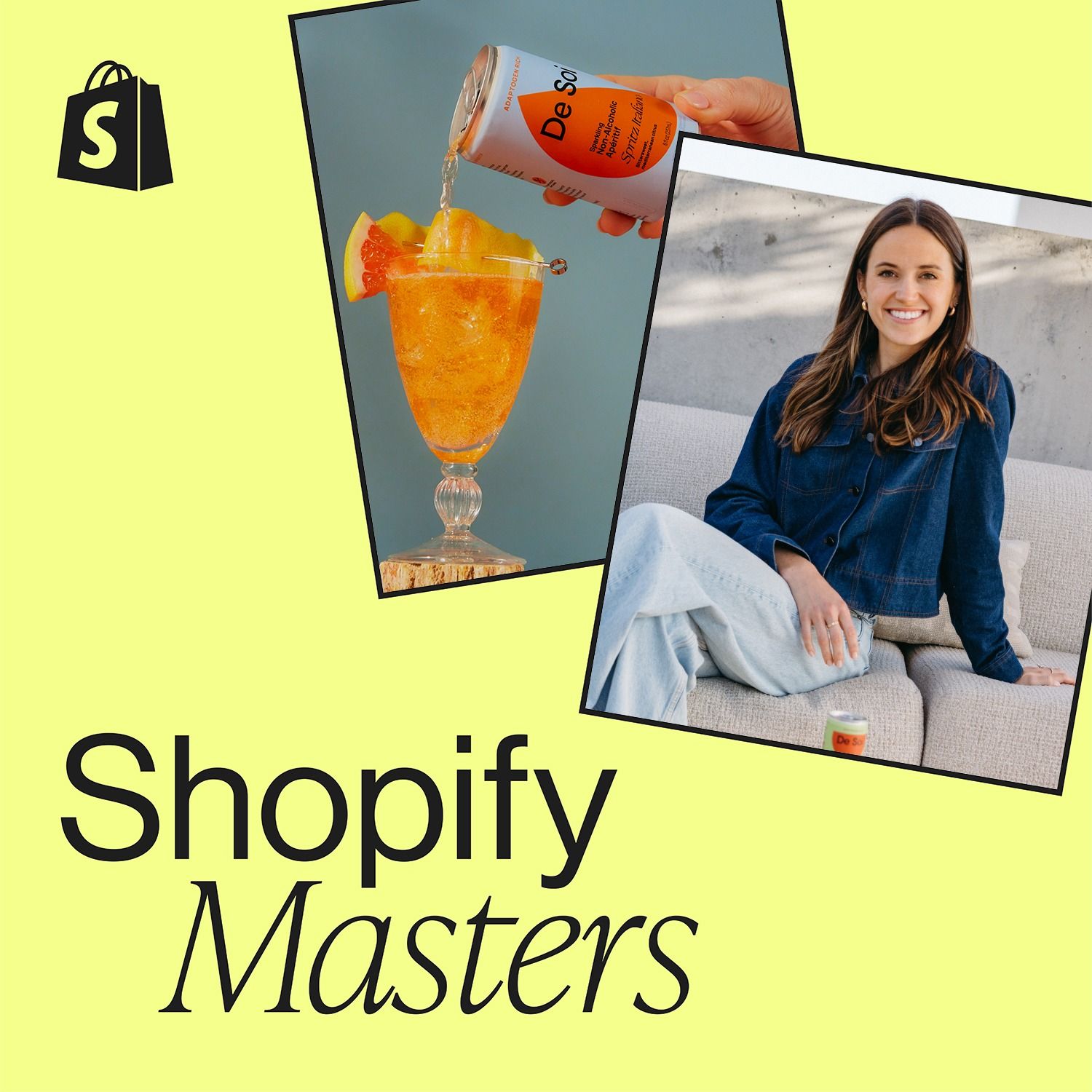
When De Soi launched, retailers and investors dismissed the non-alcoholic category. CEO Scout Brisson adopted a "not if, it's when" mindset, maintaining belief despite widespread skepticism. This conviction was essential for persevering until the market and major players like Target inevitably came around.
A founder must simultaneously project unwavering confidence to rally teams and investors, while privately remaining open to any evidence that they are completely wrong. This conflicting mindset is essential for navigating the uncertainty of building a startup.

A successful startup often resembles a cult, requiring a leader who communicates their vision with unwavering, first-person conviction. Hiding the founder behind polished PR spokespeople is a mistake; it neuters the contagious belief required to recruit talent and build a movement against impossible odds.

Before convincing investors or employees, founders need irrational self-belief. The first and most important person you must sell on your vision is yourself. Your conviction is the foundation for everything that follows.

The founder was propelled from idea to action not by her own pain point alone, but by her assistant’s simple, proactive question and subsequent logo mockup. This external validation and unsolicited creative support provided the final push needed to start the business, demonstrating the power of small acts of empowerment.
Charlie Munger's comment on Elon Musk—"Never underestimate the man who overestimates himself"—highlights a paradox. Extreme self-belief, often a flaw, can be a founder's greatest asset, fueling the audacity required to pursue goals that rational minds dismiss as impossible.
