Get your free personalized podcast brief
We scan new podcasts and send you the top 5 insights daily.
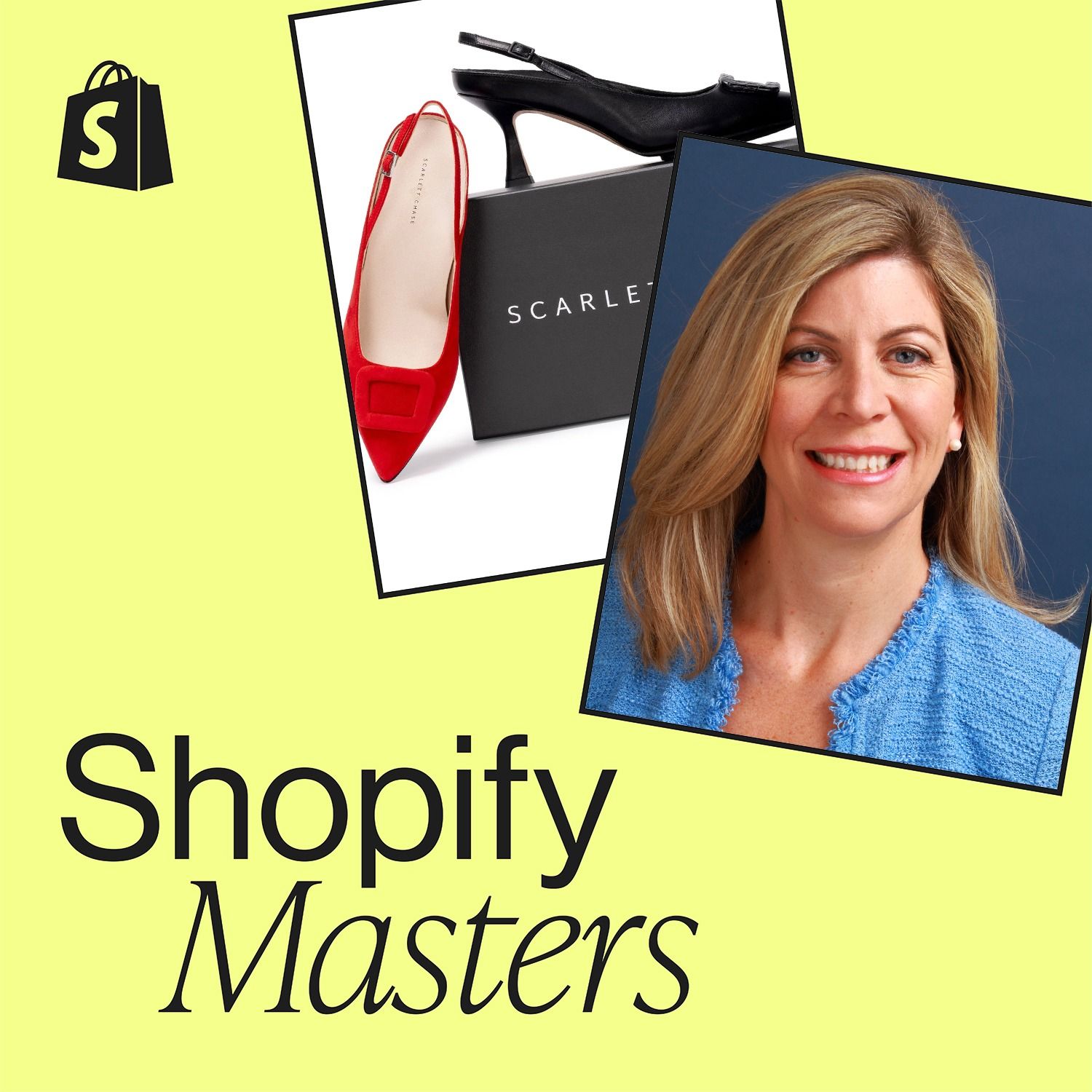
The founder was propelled from idea to action not by her own pain point alone, but by her assistant’s simple, proactive question and subsequent logo mockup. This external validation and unsolicited creative support provided the final push needed to start the business, demonstrating the power of small acts of empowerment.
Related Insights
A technically brilliant but risk-averse potential co-founder was hesitant to join Huntress. The turning point wasn't the idea itself, but the external validation that came from securing a $50,000 check from a startup accelerator. This small amount of capital was enough to de-risk the leap and convince him to commit.

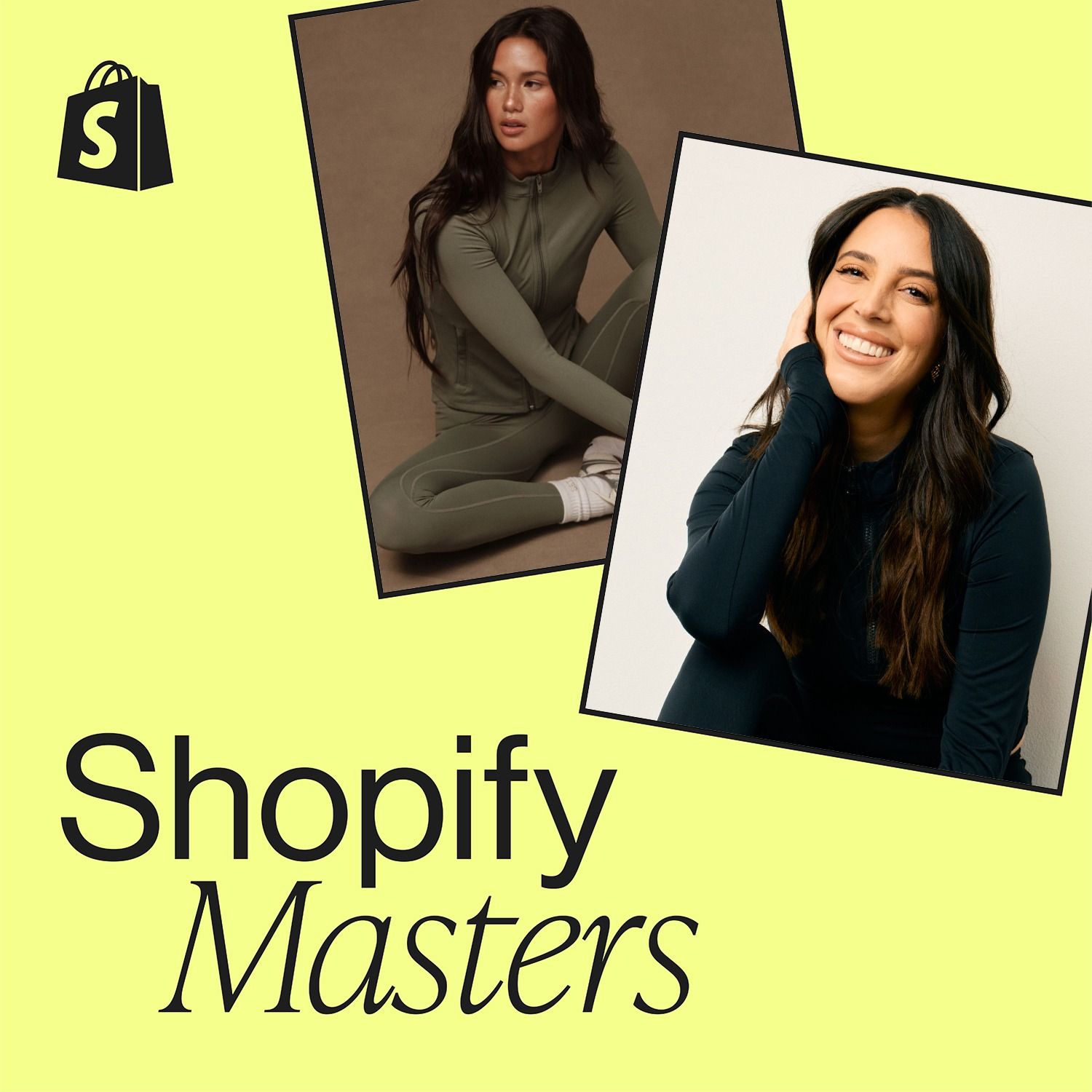
Facing a down year, Lindsay Carter put her ego aside and called trusted industry contacts for help. This simple act provided concrete, tactical advice—like using new AI tools and auditing marketing funnels—that gave the company an immediate boost and catalyzed its recovery. Asking for help was a critical strategic lever, not a sign of weakness.
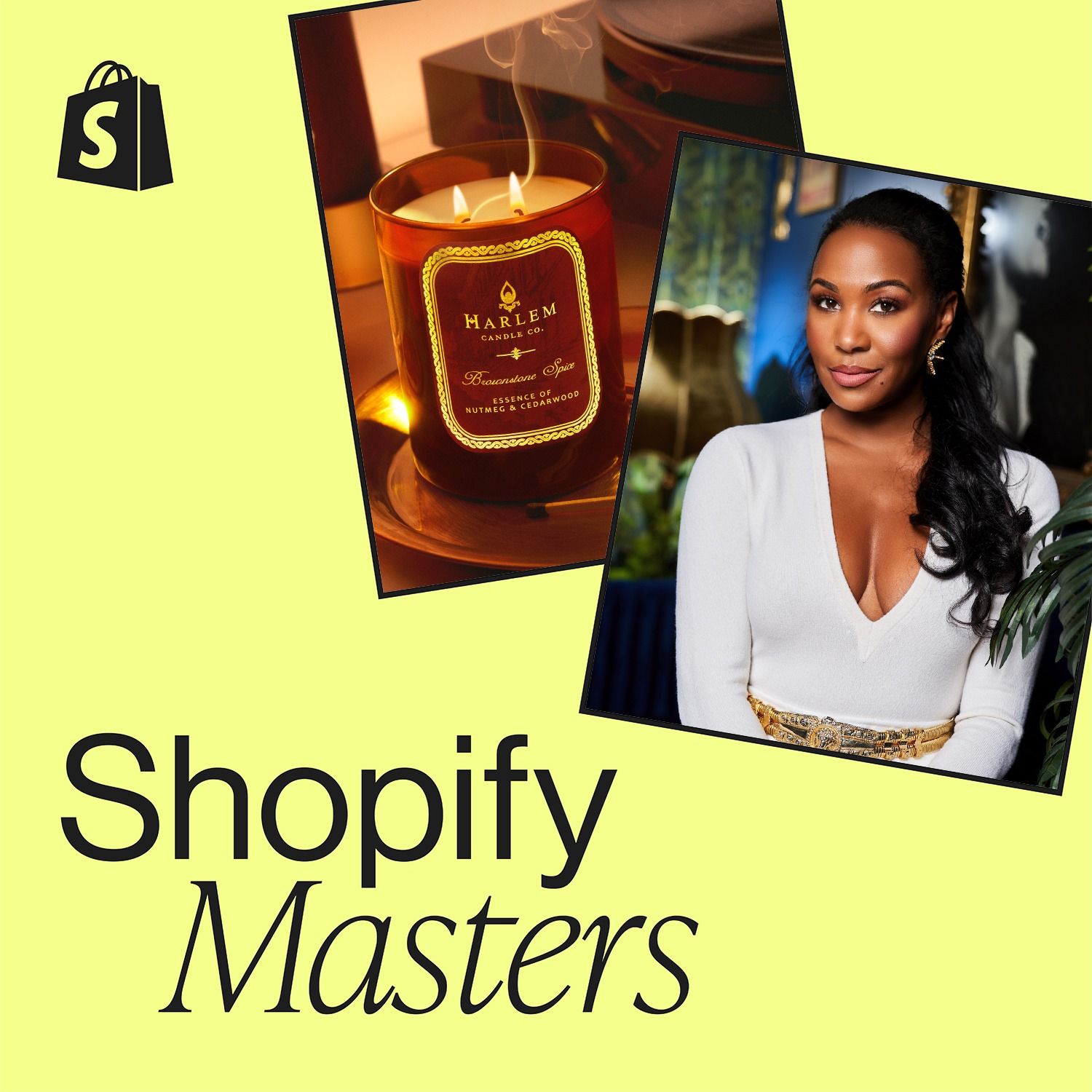
Founder Terry Johnson's initial market research was gifting customized candles to friends and family because she was broke. Their enthusiastic feedback confirmed product-market fit and gave her the confidence to launch her business, starting with local artisan markets.
Duolingo's social media success began not with a big budget, but when their first social hire repurposed an old mascot suit from an HR closet for TikToks. This shows how breakthrough ideas can come from simple, resourceful observations rather than complex, top-down strategies.

Instead of searching for a market to serve, founders should solve a problem they personally experience. This "bottom-up" approach guarantees product-market fit for at least one person—the founder—providing a solid foundation to build upon and avoiding the common failure of abstract, top-down market analysis.
The most potent business ideas are discovered, not forced. They arise naturally from being an active participant in a niche community and experiencing its problems firsthand. Instead of searching for 'an idea,' immerse yourself in a passion; the right opportunity will present itself.
To identify non-consensus ideas, analyze the founder's motivation. A founder with a deep, personal reason for starting their company is more likely on a unique path. Conversely, founders who "whiteboarded" their way to an idea are often chasing mimetic, competitive trends.
The most enduring companies, like Facebook and Google, began with founders solving a problem they personally experienced. Trying to logically deduce a mission from market reports lacks the authenticity and passion required to build something great. The best ideas are organic, not analytical.
A CMO's work on an intense, CEO-led internal "Brand Champions" program at General Mills exposed her to a startup-like pace. The daily pressure and creative freedom sparked the realization that she belonged in the entrepreneurial world, leading her to found her own company, Red Stamp.

Before quitting his job, Sal Khan received persistent, unsolicited calls from an entrepreneur who discovered his work. Acting as a quasi-therapist, this mentor repeatedly told Khan that his side project was his true purpose, providing the external validation needed to make the leap.
