Get your free personalized podcast brief
We scan new podcasts and send you the top 5 insights daily.
Musk frames time as the only true currency. He empowers his team to walk out of any meeting or call as soon as it's obvious they are not adding value. This redefines professional etiquette to prioritize productivity and respect for colleagues' time over passive attendance.

Related Insights
Some Amazon meetings begin with silent, independent reading of a preparatory memo. After reading and adding notes, participants who have no further contribution are encouraged to leave. This respects individuals' time and ensures that only those essential for the synchronous discussion remain.
To make culture tangible, create memorable rules with "shock value." At A16Z, being late for a meeting with an entrepreneur costs a partner $10 per minute. This financial penalty makes the abstract value of "respecting founders' time" an unforgettable and enforceable daily practice.

Managers work in small time blocks, so a meeting is just one of many. Makers require large, uninterrupted chunks. A single meeting breaks a large block into two unusable smaller ones, effectively destroying an entire half-day's worth of productive output for the maker.

Before scheduling, ensure a meeting's purpose is to Decide, Debate, Discuss, or Develop (4Ds). Then, confirm the topic is either Complex, Emotionally intense, or a One-way door decision (CEO). This rigorous filter eliminates status updates and other low-value synchronous gatherings from calendars.
Before attending a meeting, ask two questions: 1) "What specific decision or alignment will this create?" and 2) "What happens if we don't have this meeting?" If you can't provide clear, impactful answers, the meeting is a waste of time and should be canceled or handled asynchronously.

Instead of open-ended agenda items like "let's do intros," propose specific time frames, such as "Let me give you 90 seconds on me, you can give me 90 seconds on you." This small framing tactic establishes you as a professional who respects time, prevents conversations from meandering, and maintains control of the meeting's flow.

The first step to better meetings is asking "should we have this meeting at all?" By eliminating purely informational meetings, you prevent the formation of norms like disengagement and silence. This makes it more likely that when a collaborative meeting is necessary, team members will actively participate.
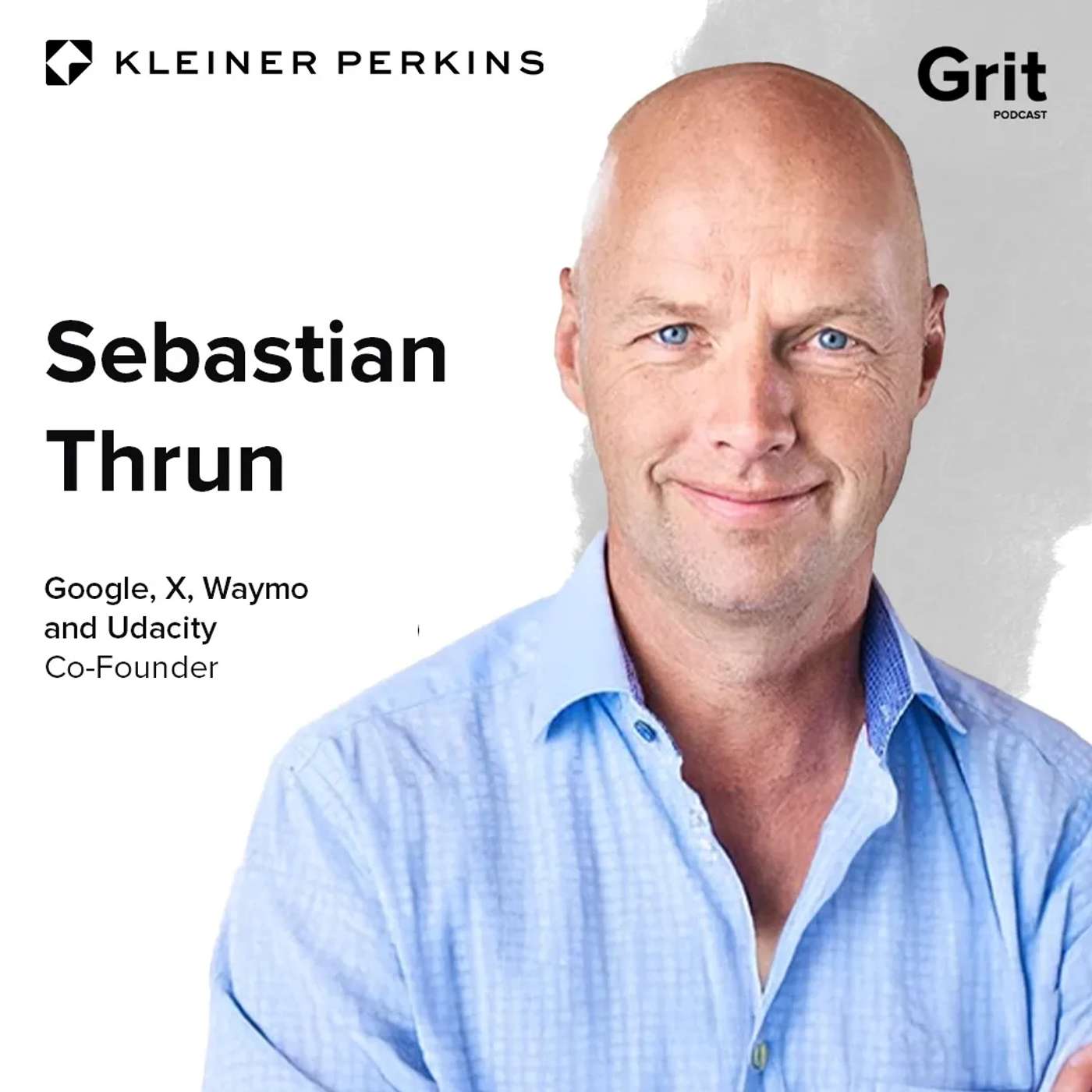
Sebastian Thrun views time, not money, as the ultimate currency. He believes a leader's primary responsibility is to be a steward of their team's time. When someone joins his company, he sees it as his "royal duty" to ensure they spend their most valuable asset on meaningful, impactful work.
Effective leaders don't just run faster meetings; they understand that most internal discussions and priorities are irrelevant. The singular focus should be on what the consumer wants. Prioritizing the customer above internal metrics is the ultimate key to focus and speed.

Musk's approach is radical de-layering. He avoids the 'compounding lies' of middle management by going to the source of truth: the engineers. He identifies the week's biggest bottleneck and works directly with the relevant engineer to solve it, creating unparalleled problem-solving velocity.
