Get your free personalized podcast brief
We scan new podcasts and send you the top 5 insights daily.
David Velez's position on OpenAI's board provides direct insight into cutting-edge AI, which is critical as Nubank becomes an AI-driven business. AI already handles over 60% of initial customer inquiries and delivers massive efficiency gains in engineering, justifying the time commitment.

Related Insights
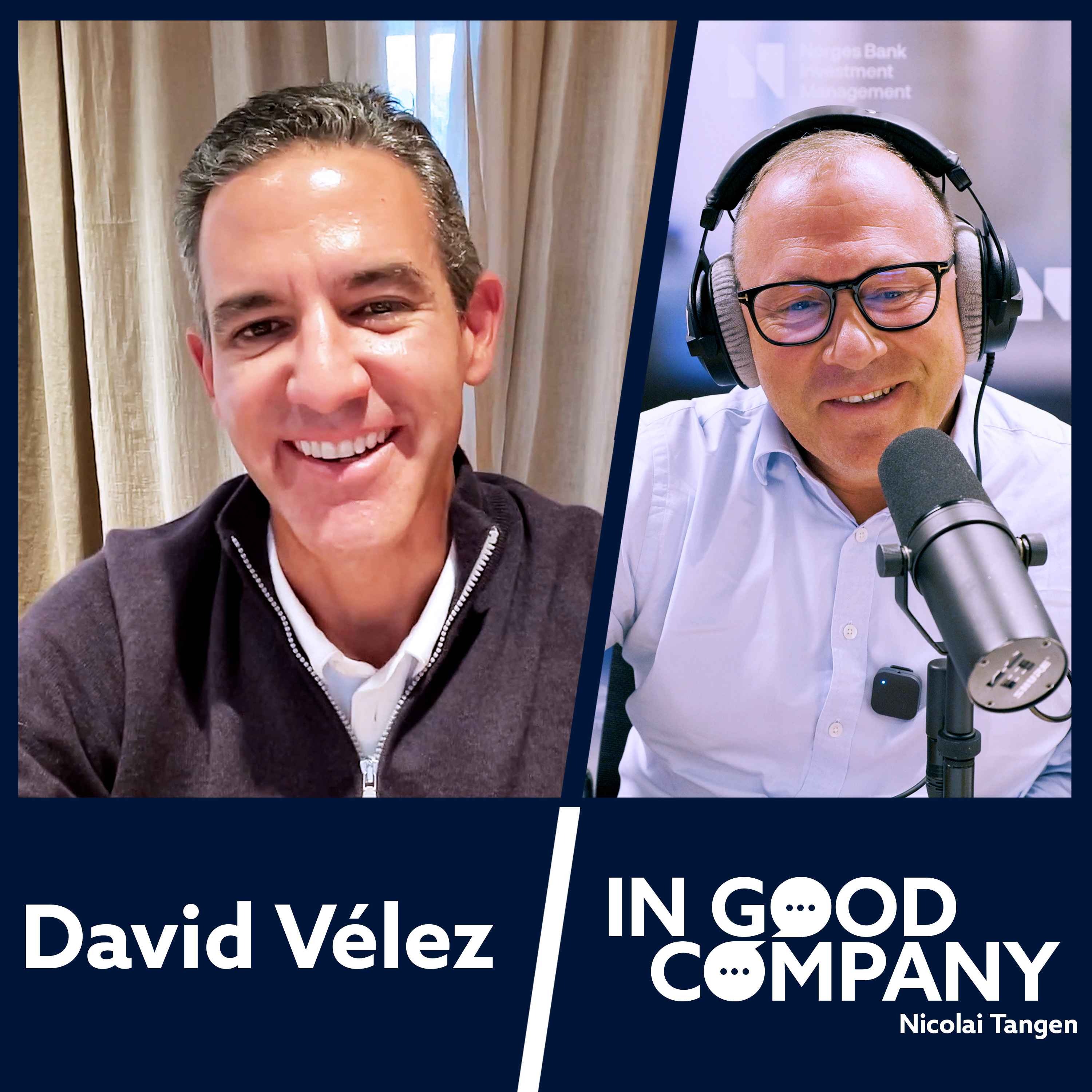
David Vélez sees AI's potential beyond optimizing operations. He believes it will provide sophisticated, personalized financial advice to the masses, democratizing wealth management and solving for the 99% who lack access to true financial guidance, unlike their wealthy counterparts.
At OpenLoop, the CEO challenges every department—sales, customer success, product—to leverage AI. Daily meetings with co-founders involve live problem-solving using AI tools, demonstrating a pervasive, top-down commitment to AI integration beyond just engineering.

To successfully navigate the AI transition, leaders must engage in hands-on building and tinkering to develop an intuitive "feel" for the technology's potential. This direct experience is non-negotiable for finding new strategic paths for their company.

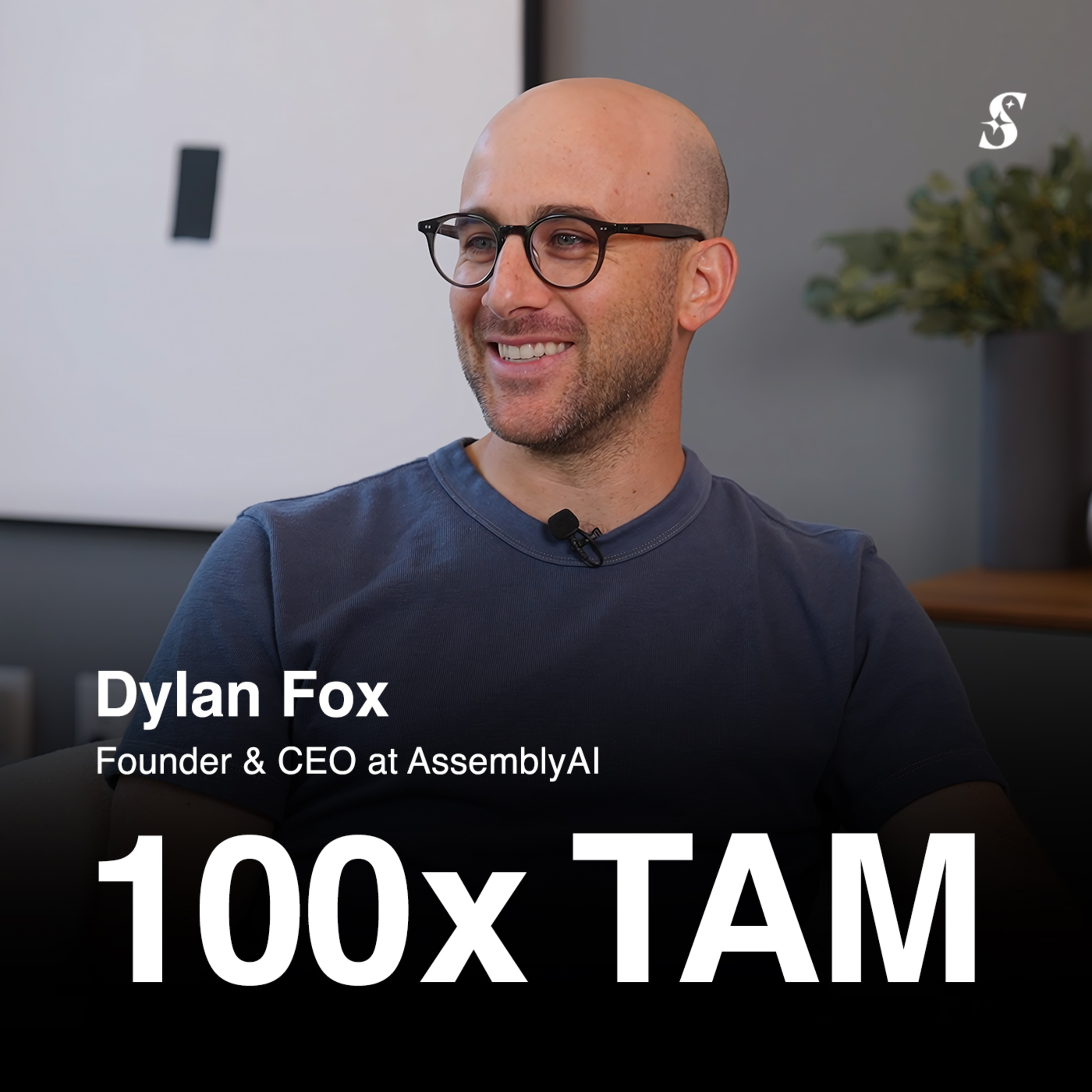
At truly AI-native companies, AI is not just for engineering. AssemblyAI's CEO built a personal agent named "Dylan Claw" that accesses his meeting notes and transcripts to automatically create and revise slide decks. This deep, personalized integration allows for extreme operational leverage and speed.
Merely deploying AI tools like Copilot to employees offers minimal value. The real revolution is using AI to re-engineer core processes from the ground up. For example, AI can reduce a six-week credit file preparation to 14 minutes, forcing a fundamental rethink of roles and requiring massive reskilling efforts.

C-level executives with a technical past, like GitHub's COO, are using AI to build their own internal tools. This allows them to apply their unique blend of business and technical expertise to solve problems directly, bypassing traditional workflows and increasing their effectiveness.

We currently see AI as an assistant that performs tasks. The emerging paradigm, however, is the "company brain" where AI is the central decision-maker. Humans will shift to roles that feed the AI high-quality, real-world information and then execute its strategic commands.

CEO Carla Vernón personally uses AI to streamline her executive workflow. For her bi-weekly meetings with the board chair, AI prepares a summary of recent performance, the future outlook, and key discussion themes. This allows her to focus on strategic conversation rather than report generation, demonstrating leadership by example.
A KPMG survey reveals that organizations where the CEO is accountable for the AI strategy are three times more likely to report established ROI. This highlights the critical importance of top-down, executive ownership for successful AI integration and value realization.

With AI tools being so new, no external "experts" exist. OpenAI's Chairman argues that the individuals best positioned to lead AI adoption are existing employees. Their deep domain knowledge, combined with a willingness to learn the new technology, makes them more valuable than any outside hire. Call center managers can become "AI Architects."