Get your free personalized podcast brief
We scan new podcasts and send you the top 5 insights daily.
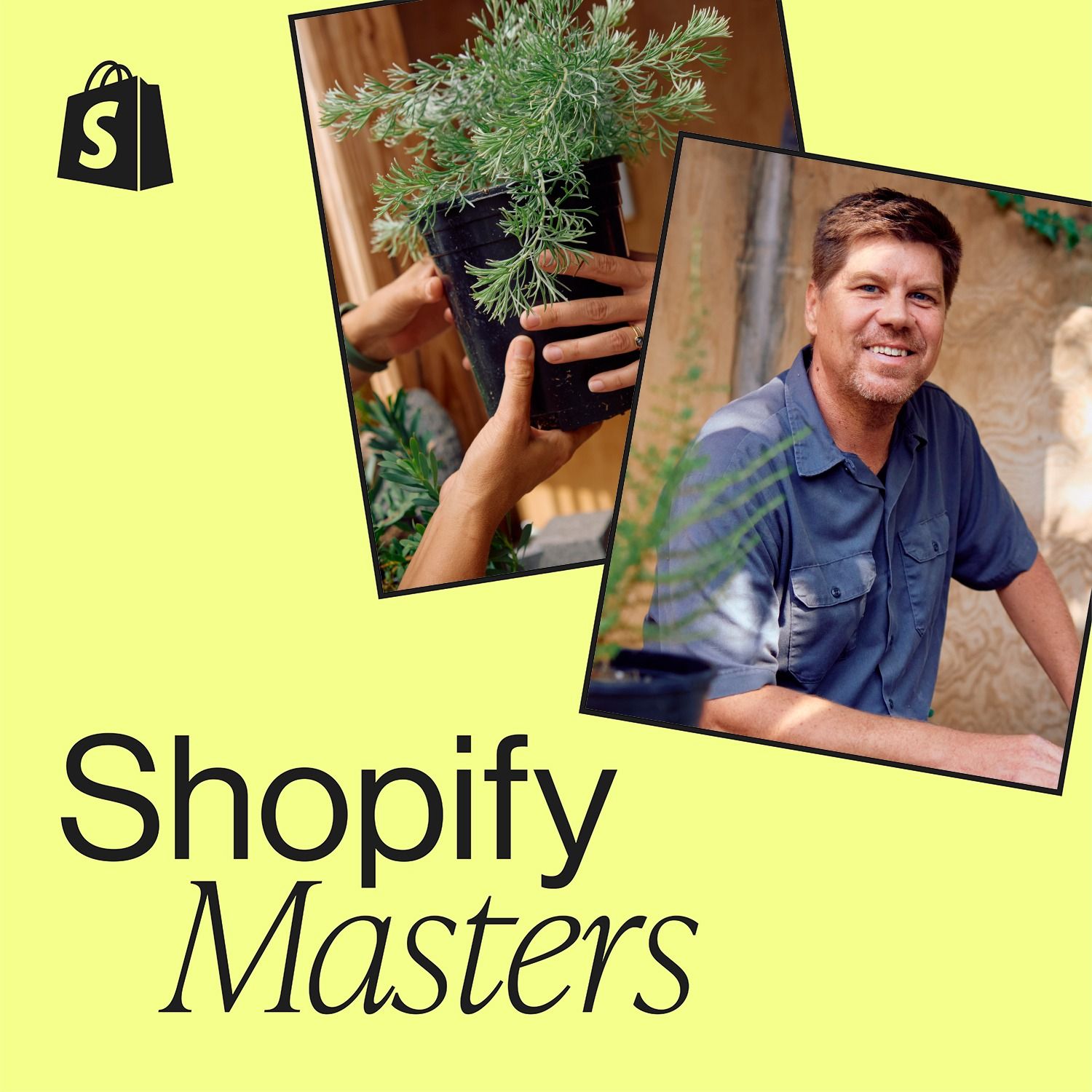
The founder's mission is to increase public access to native plants. He views potential competition from giants like Home Depot not as a threat, but as a sign of success. If they start selling his niche products, he feels he's achieved his goal, even if it puts him out of business.
Related Insights
Founders with an abundance mindset don't feel threatened by the success of others. They genuinely celebrate when people they've mentored achieve even greater success, viewing it as a sign of a healthy ecosystem, not a zero-sum game. A twinge of jealousy is natural, but happiness should prevail.

Prepared's founder faced 'no's' from customers, investors, and parents. He persisted not because he was trying to build a company, but because of a stubborn, personal passion to solve a problem—believing he could make things 'slightly better' even if he ultimately failed.

Home Depot's founders were fired from their previous company, a setback that seemed devastating. This perceived failure freed them to pursue their own, more ambitious vision, highlighting how professional setbacks can unlock greater entrepreneurial opportunities.

Founders like James Dyson and Yvon Chouinard represent the "anti-business billionaire." They are obsessed with product quality and retaining control, often making decisions that seem financially sub-optimal in the short term. This relentless focus on creating the best product ultimately leads to massive financial success.

Instead of fearing beverage giants like Coca-Cola entering the functional soda space, Olipop's founder views it as a positive development. He sees their entry as an "honor" that provides massive validation for the category he created, proving its potential and longevity to the broader market.

Public companies, beholden to quarterly earnings, often behave like "psychopaths," optimizing for short-term metrics at the expense of customer relationships. In contrast, founder-led or family-owned firms can invest in long-term customer value, leading to more sustainable success.
Instead of dismissing harsh criticism, extract the underlying truth. A brutal investor rejection focused Gamma on intertwining product and growth from the very beginning, acknowledging the difficulty of competing against incumbents. This became a foundational part of their strategy.

The founder's motivation for leaving a stable corporate career is a clear, personal vision: sitting in a rocking chair at his plant store when he's old. This tangible, lifestyle-oriented goal provides a powerful 'why' that transcends financial metrics and justifies entrepreneurial risk.