Get your free personalized podcast brief
We scan new podcasts and send you the top 5 insights daily.
High-ranking CCP officials imprisoned for corruption are sent to a special prison, Qincheng, where they receive preferential treatment. Unlike ordinary inmates, figures like Bo Xilai reportedly get larger cells, wear their own suits instead of prison fatigues, have access to better food, and are allowed to watch television.

Related Insights
The ongoing purges in China's military are likely more than just power consolidation. Bill Bishop suggests Xi Jinping may be intentionally removing entire generations of senior officers who rose by buying their promotions. This radical "decapitation" aims to clear the way for a younger, more meritocratic officer class.
The "Liu Zhi" system is a form of extrajudicial detention used by China's anti-corruption agency. It allows officials to hold individuals, including business executives, for months without access to lawyers or the normal court system in harsh conditions. This creates a climate of intense fear and uncertainty for the business community.
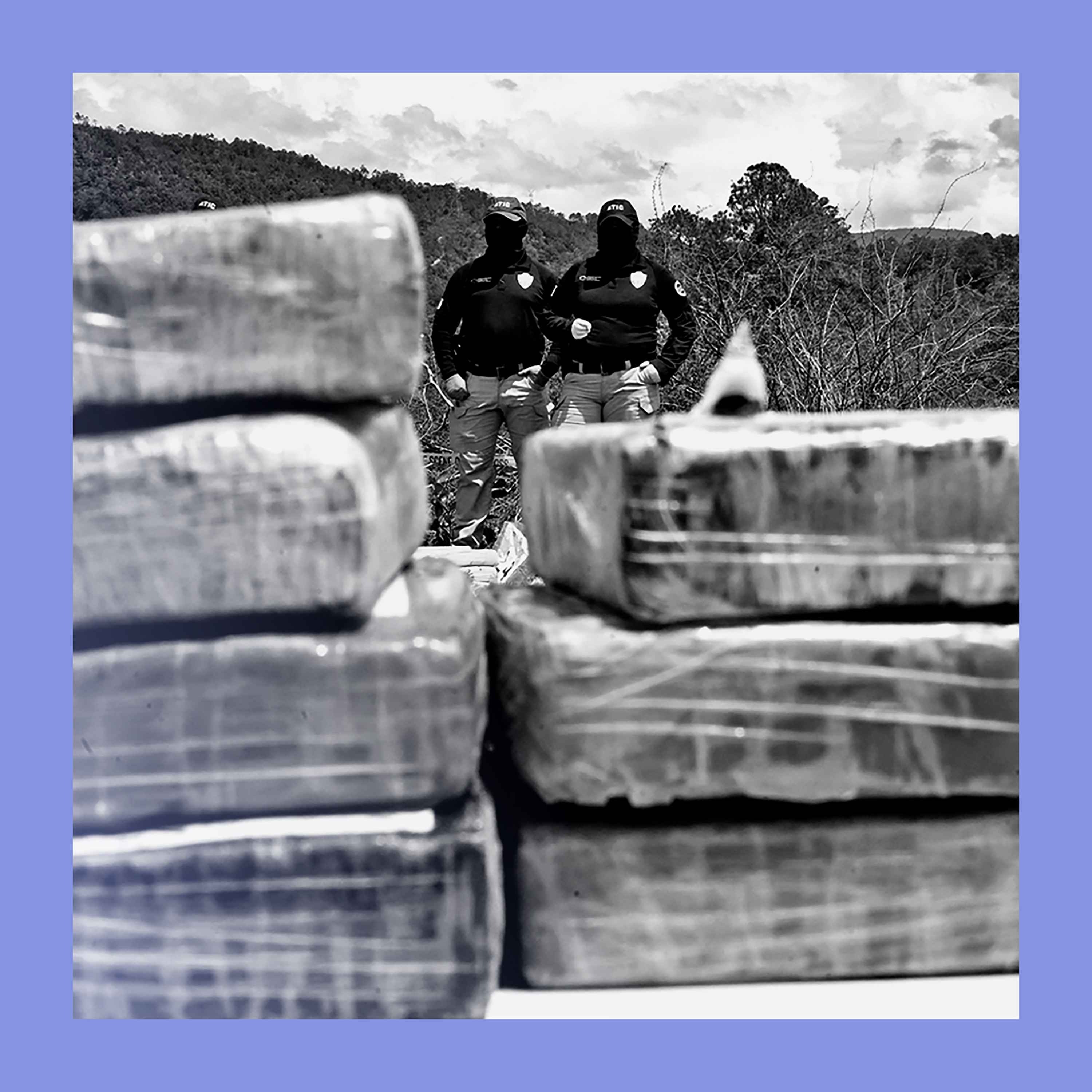
As a 'princeling,' Xi Jinping possesses an intuitive, inherited understanding of the Communist Party's hidden power networks. This allows him to surgically purge high-level opponents without getting 'zapped,' a feat his predecessors couldn't manage.

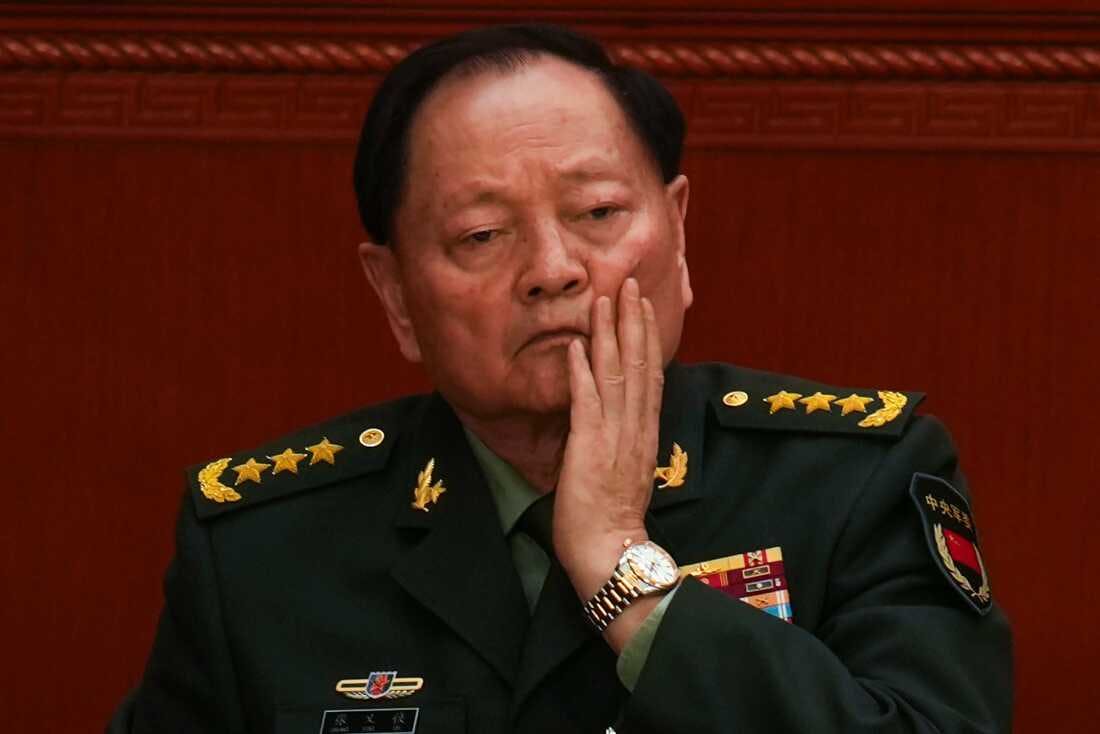
Xi's purge of Zhang Yuxia, a close ally kept past retirement age, signals a new phase. He has moved from eliminating enemies and associates to being "pitiless with his friends," indicating a dangerous consolidation of power or growing paranoia.
Unlike in many countries where corruption derails projects, in China it often functions as an extra cost or "tax." Major infrastructure projects, like the high-speed rail system, are successfully completed even when overseen by corrupt officials, who ensure functionality to keep their illicit revenue streams flowing.
Life as a CCP official involves constant, intense pressure. With every interaction being politically charged and the threat of a purge ever-present, the system is fundamentally low-trust. This creates a terrifying work environment where political survival is a daily concern.
With local government finances strained, there is talk of "deep sea fishing" campaigns where anti-corruption probes are used as a pretext. Officials target business people, sometimes from other jurisdictions, with the potential goal of finding wrongdoing that allows them to seize the company's assets and shore up their budgets.
High-level purges often result not from overt scheming, but from officials unintentionally misinterpreting the leader's opaque desires. Like Xi's own father, loyalists can accidentally get "sideways of the boss," a far more common and dangerous risk than outright treason.
Widespread corruption within the PLA means nearly every senior officer has a usable 'dossier.' This provides Xi Jinping with a permanent, justifiable pretext to eliminate anyone for political reasons, with corruption charges acting as the public-facing justification.
China's PLA was so corrupt that a system emerged where groups would collectively 'invest' in a rising officer's promotion. They would pool capital to help the officer buy their position, anticipating a return on their investment from the future stream of corrupt opportunities the officer would control.
