Get your free personalized podcast brief
We scan new podcasts and send you the top 5 insights daily.
China's PLA was so corrupt that a system emerged where groups would collectively 'invest' in a rising officer's promotion. They would pool capital to help the officer buy their position, anticipating a return on their investment from the future stream of corrupt opportunities the officer would control.

Related Insights
Contemporary China, with its maniacal building, corrupt systems, and creation of immense entrepreneurial wealth, strongly resembles America's late 19th-century Gilded Age. This historical parallel suggests China may be heading towards its own "Progressive Era" of technocratic reform and civil service improvements.
The unprecedented removal of top generals, including longtime confidants, suggests Xi feels his grip on the military is fragile. This is seen as a sign of weakness and concern over the loyalty and combat readiness of his top commanders.
A massive foreign investment package is not just an economic transaction; it's a strategic tool. By embedding itself in a nation's economy through land and real estate, a foreign power buys political leverage and can subtly shape policy to its own advantage, corrupting the country from within.

The investigation of General Zhang Youxia, a childhood friend and trusted ally of Xi Jinping, suggests the military purge extends beyond anti-corruption efforts. It points to a deeper concern with consolidating absolute authority, where even long-standing, powerful allies are seen as potential political threats that must be neutralized.
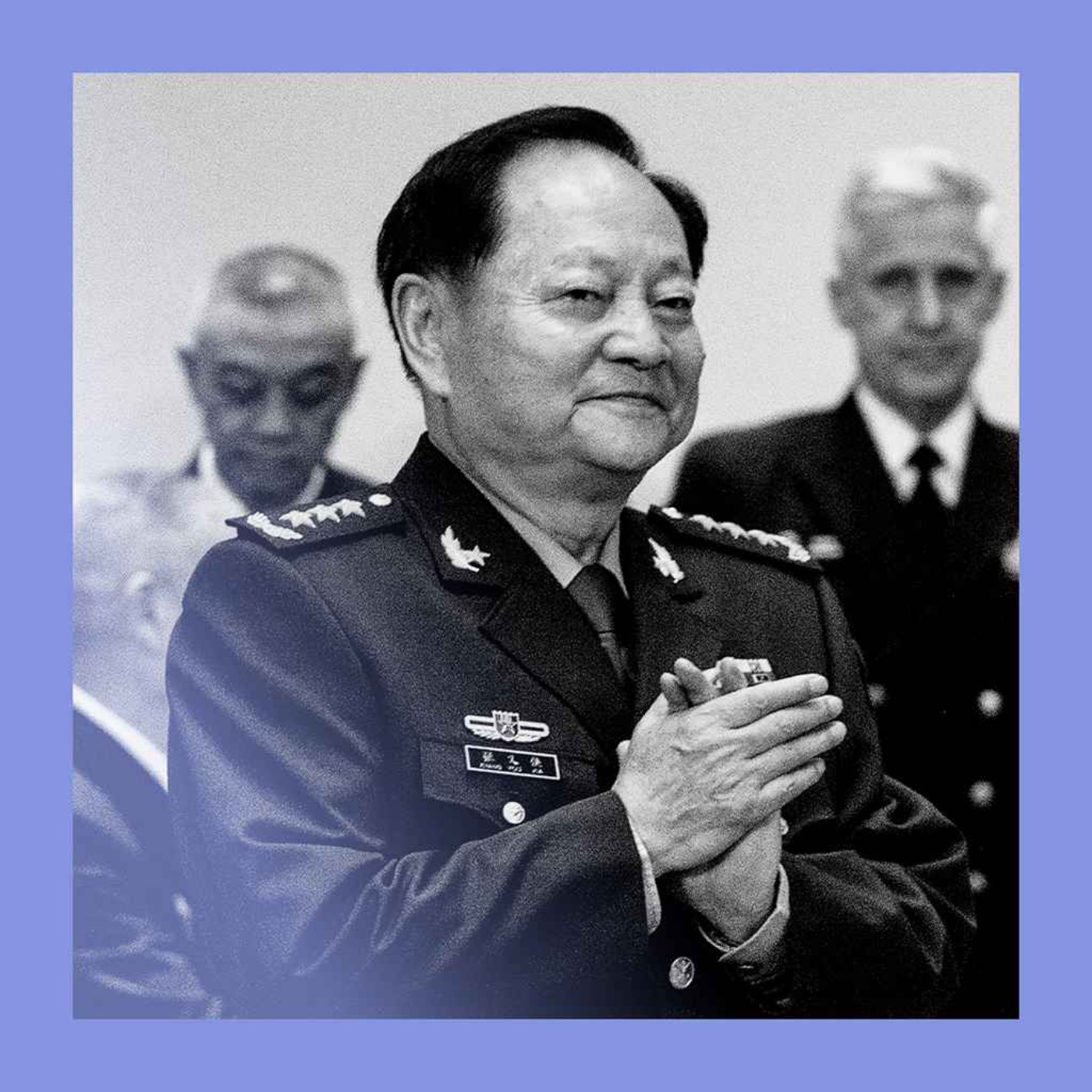
Instead of a moral failing, corruption is a predictable outcome of game theory. If a system contains an exploit, a subset of people will maximize it. The solution is not appealing to morality but designing radically transparent systems that remove the opportunity to exploit.

The purge's focus is on generals who "trampled on the chairman responsibility system," indicating a crackdown on challenges to Xi's direct, supreme command over the military, rather than a standard anti-graft campaign.
The PLA is the armed wing of the Chinese Communist Party, not the state. Xi Jinping is the only civilian on the Central Military Commission, making it the sole locus of party (and civilian) control, unlike Western models with extensive civilian oversight.
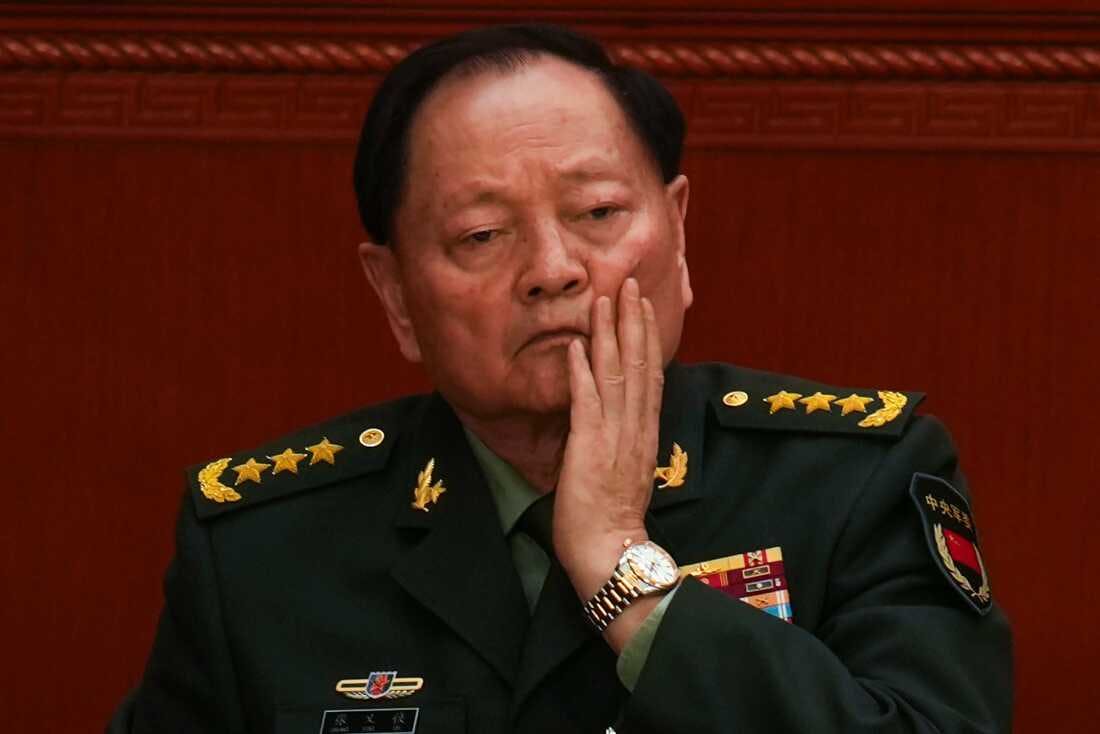
The recent purges have wiped out an entire generational cohort of PLA leaders, not just individuals. This creates a significant succession crisis and leadership vacuum, forcing Xi to promote a new, untested generation of officers with whom he has no established trust.
Recent purges in China's military mark a seismic shift as Xi targets his own appointees and longtime allies, not just rival factions. The removal of figures like Zhang Yuxia signals either Xi's ultimate ruthlessness or a potential shift toward paranoia.

Widespread corruption within the PLA means nearly every senior officer has a usable 'dossier.' This provides Xi Jinping with a permanent, justifiable pretext to eliminate anyone for political reasons, with corruption charges acting as the public-facing justification.