Get your free personalized podcast brief
We scan new podcasts and send you the top 5 insights daily.
While platforms like Slack often fail to maintain user engagement for brand communities, Facebook Groups succeed because users are already active on the platform daily. Meta's investment, including the dedicated 'Forums' app, confirms its strategic importance and effectiveness for community building.

Related Insights
The most powerful form of community isn't a walled-off Slack group. It's about becoming the 'host of the party' for a specific audience's shared interests. Companies like HubSpot built a community around 'inbound marketing' by owning the conversation, long before they had private user groups.

A new feature allows admins to switch a private group to public while protecting past members' privacy. This is a powerful tactic for brands with established, content-rich private groups. They can now make this valuable content discoverable in the main feed for non-members, transforming a community asset into a public-facing content engine.
Don't limit your definition of "community" to a Facebook group or Substack. Treat everyone who interacts with your content—on email, social media, or in person—as part of the community. This "community-first" mindset shifts communication to be more personal across all channels.

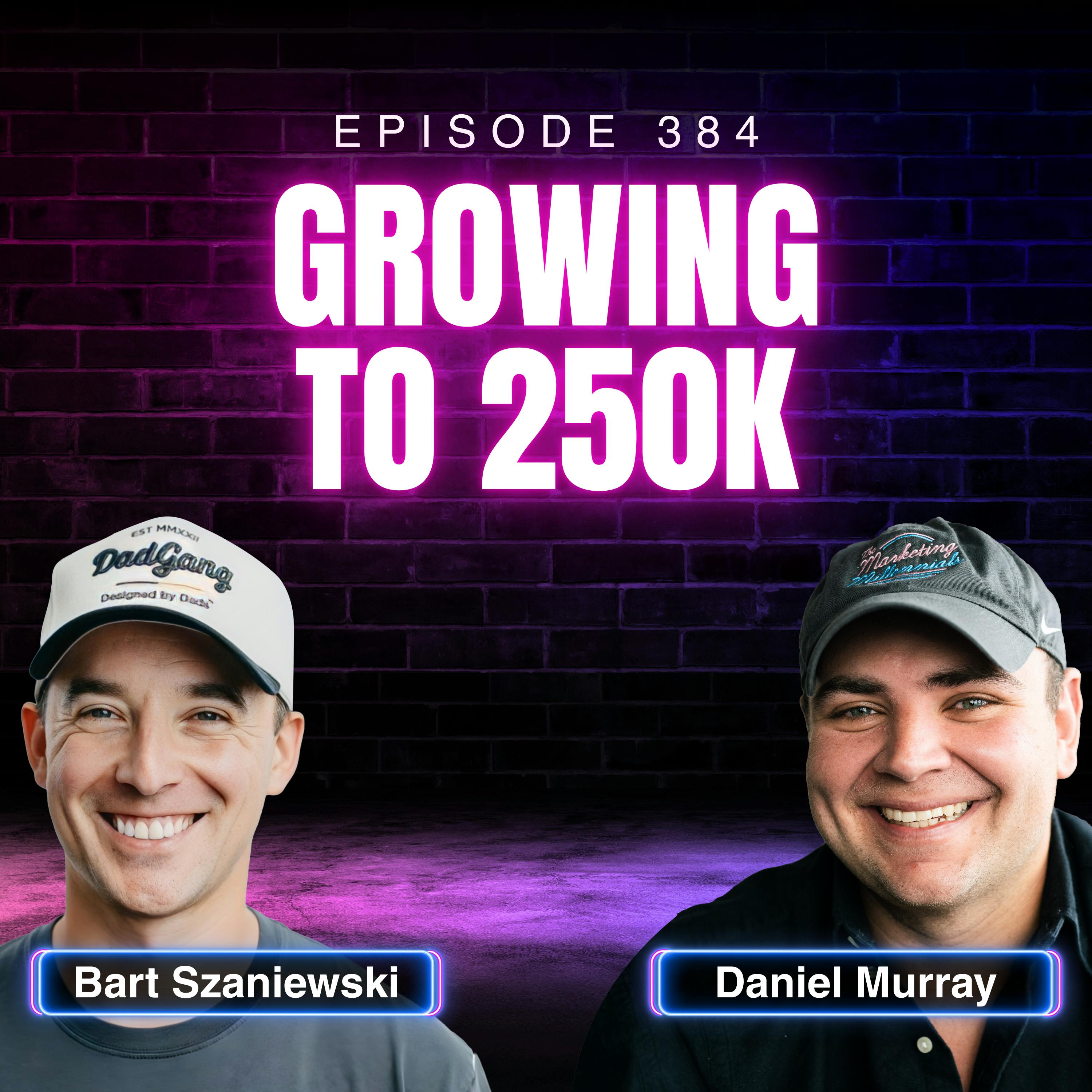
Dad Gang uses its 11,000-person private Facebook group to bypass social media algorithms. The group acts as a direct line to engaged customers for gathering feedback on new hat designs, fostering co-ownership, and granting exclusive early access to launches, ensuring new products are validated before release.
Meta is launching a standalone app called Forum, which aggregates all of a user's Facebook Groups. This move is a direct response to the explosive growth of Reddit, leveraging the high engagement of Facebook's existing group communities to compete in the dedicated discussion space.

Facebook's main 'Blue' app is an underpriced attention channel. Contrary to popular belief, usage among 22-32 year olds is surprisingly high due to features like Marketplace and Groups, but it's often unacknowledged. This creates a significant arbitrage opportunity for marketers who can reach this demographic at a lower cost than on more saturated platforms.

The metric for a successful community has shifted from high activity ("noise") to high trust. Members no longer want to sift through hundreds of discussions. They want a smaller, curated space where they can trust the expertise and intentions of the other people in the room.
A savvy marketing tactic involves running paid ads with the goal of acquiring members for a Facebook Group, rather than sending traffic directly to a website. This builds a concentrated community of highly-engaged fans, leading to more successful product launches and higher lifetime value.
Instead of relying solely on internal data, Glamnetic actively mines its dedicated Facebook community for product development insights. The group provides a constant stream of qualitative feedback and trend suggestions, acting as an incubation hub for new collections and validating market demand.

Educational content and events are effective for acquiring new community members. However, the true "sticky feature" that drives long-term retention is the genuine connections members form with each other. Marketing hooks people, but relationships make them stay.