Get your free personalized podcast brief
We scan new podcasts and send you the top 5 insights daily.
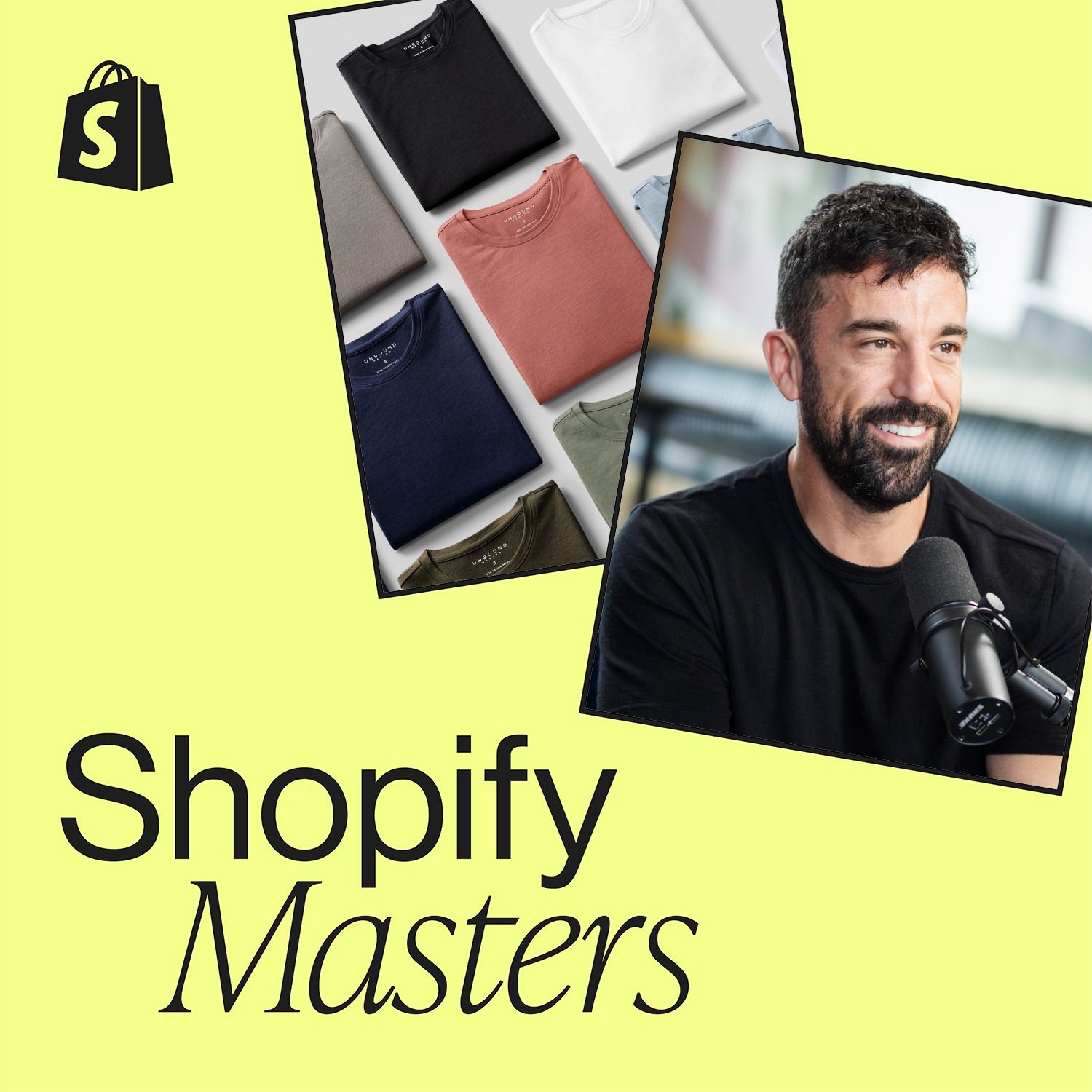
When COVID-19 halted travel, Unbound Merino's core "pack less" benefit became irrelevant. They survived by pivoting their messaging to focus on the product's intrinsic features, like comfort and breathability, which appealed to customers stuck at home.
Related Insights
Birdies was founded as an indoor-only slipper brand. When customers began wearing them outside, founder Bianca Gates had to abandon her original vision. The company's massive growth came only after she surrendered and pivoted the product to meet this unexpected user demand.

Don't try to force customers to adopt new behaviors, like a boot-buyer purchasing sandals. Instead, focus on encouraging them to buy a second pair, a newer model, or an upgraded version of the product they already love. This audience-focused approach builds on existing loyalty and is far more effective.

Accel Events thrived by pivoting to a virtual events platform during COVID. However, this new reputation hurt them when the market returned to in-person events. They were no longer seen as a viable in-person solution, forcing another costly product and brand rebuild to recapture their original market.

In an era of diminished direct marketing, the old mantra "make something people want" is insufficient. The new imperative is to "make something people want to talk about." This shifts focus to creating products with inherent virality and word-of-mouth potential, turning customers into a marketing channel.

When COVID-19 invalidated its revenue plan, Nextdoor's GM used a pre-existing worst-case scenario to pivot the product strategy. The focus shifted from subscriptions to features that provided immediate cash flow to local businesses (e.g., gift cards), enabling a quick, board-aligned response to the crisis.

The idea for Unbound Merino came from the founder's own frustrating search for stylish, high-performance travel clothing. When he couldn't find what he wanted, he created it, correctly betting that many others shared his specific problem.
Go beyond features (what it is) and benefits (what it does) by focusing on 'dimensionalized benefits': how the customer's life tangibly changes after experiencing the benefit. This is the ultimate outcome people are buying, and it should be the core of your marketing message.
Move beyond listing features and benefits. The most powerful brands connect with customers by selling the emotional result of using the product. For example, Swishables sells 'confidence' for a meeting after coffee, not just 'liquid mouthwash.' This emotional connection is the ultimate brand moat.

Instead of just creating an 'athleisure' line because it's popular, Hanes identified specific problems—like chafing—that consumers experience during movement. They then designed products with features like anti-chafe panels, directly linking innovation to their core brand promise of comfort.

A common marketing mistake is being product-centric. Instead of selling a pre-packaged product, first identify the customer's primary business challenge. Then, frame and adapt your offering as the specific solution to that problem, ensuring immediate relevance and value.
