Get your free personalized podcast brief
We scan new podcasts and send you the top 5 insights daily.
Hark's $1 million pizza giveaway required permissions to edit and delete Google Drive, Gmail, calendars, and workplace directories. Users downloaded the app but balked at the data access; one even tried to file an FTC complaint about the flaky promotion.

Related Insights
HubSpot's attempt to pool customer prospecting data, quickly reversed after backlash, illustrates a broader trend. As competition intensifies, SaaS and AI vendors will increasingly push the boundaries of data privacy to improve their models and products, forcing customers to be more vigilant.

Prediction apps like Polymarket are using free grocery pop-ups as a modern 'bread and circuses' PR strategy. By providing a blunt, tangible benefit (free food), they aim to create positive brand association and distract from their controversial, gambling-adjacent business model, just as Roman emperors did to appease the public.

Companies often focus on avoiding fines by being overly cautious with data, a practice called "under-permissioning." This creates a huge opportunity cost by shrinking the marketable audience and leading to wasted ad spend on generalized campaigns.

In response to UK privacy regulations, Meta is offering an ad-free subscription. This move frames data tracking as a choice: pay to opt-out, or get free access in exchange for your data. This effectively creates a system where non-subscribers have given consent, satisfying legal requirements while preserving the core ad business model.
A new class of consumer AI assistants, like Instinct, operate with such aggressive relentlessness to achieve user goals (e.g., booking a restaurant) that they violate platforms' terms of service. This automated spamming behavior creates a new challenge for platforms and can lead to unintended consequences like user bans.
To prove unauthorized data use, Reddit created a fake post visible only within Google's search results. When Perplexity's AI incorporated this "honeypot" content, it provided irrefutable evidence that Perplexity was scraping Google for Reddit data against its terms, creating a clever legal strategy for content owners.

The controversy around FIA involves "cookie stuffing" where the app allegedly overwrites affiliate referral codes without any user interaction. This is considered more predatory than the previous Honey scandal, where a user interaction (even dismissing a prompt) was typically required to trigger the cookie overwrite.

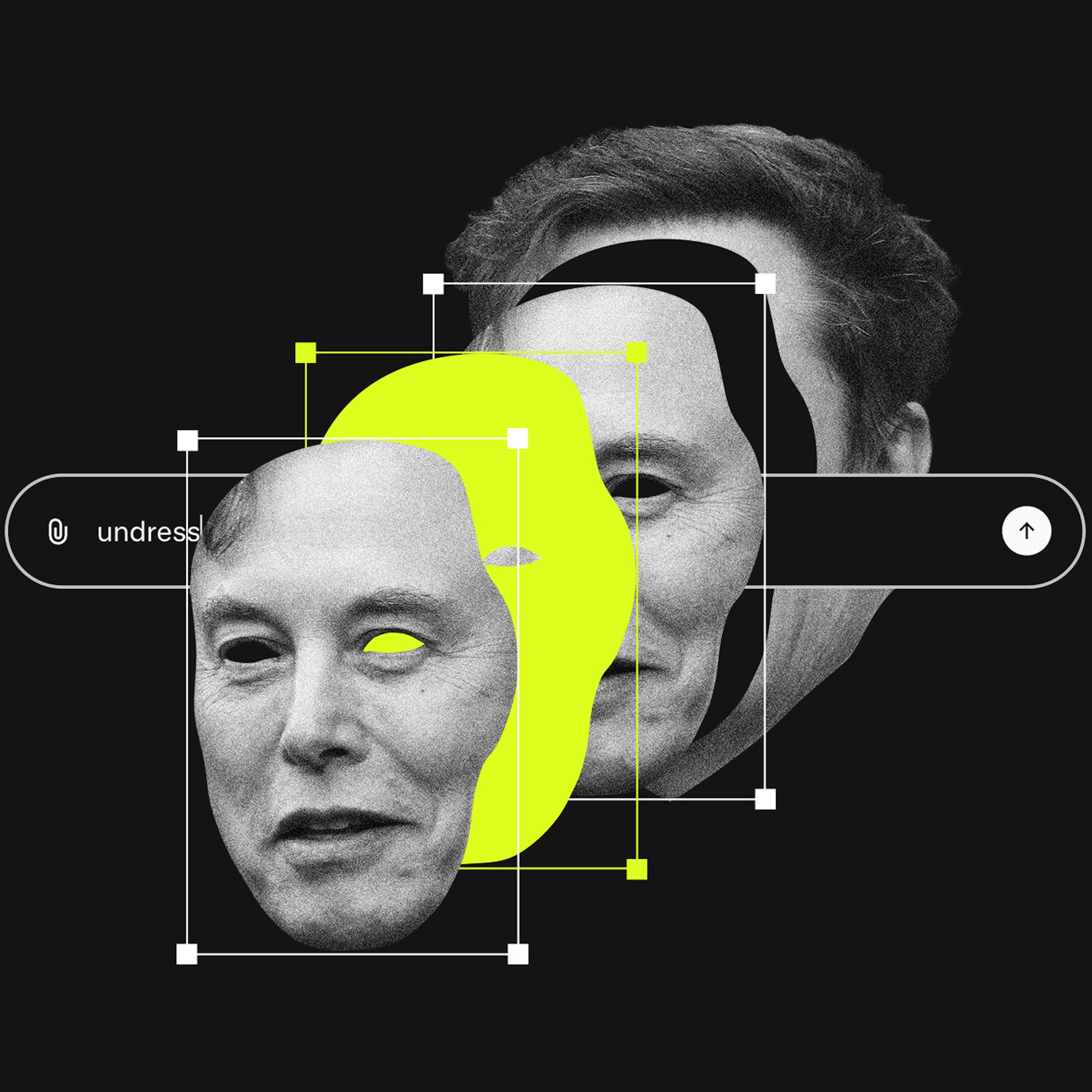
App stores justify their market control by claiming they are essential for user safety. Their failure to enforce their own explicit rules against X/Grok provides powerful evidence for antitrust regulators that this justification is a pretext, undermining their entire legal position.
A viral Reddit post alleged a major food delivery app created the illusion of a premium 'priority' feature not by speeding up those orders, but by intentionally delaying non-priority ones. This dark pattern generates profit by worsening the standard service rather than improving the premium one.

Even for a simple calendar task, Clawdbot requested maximum permissions to see, edit, and delete all Google files, contacts, and emails. This default behavior forces users to manually intervene and restrict the agent's scope, highlighting a significant security flaw in their design.