Get your free personalized podcast brief
We scan new podcasts and send you the top 5 insights daily.
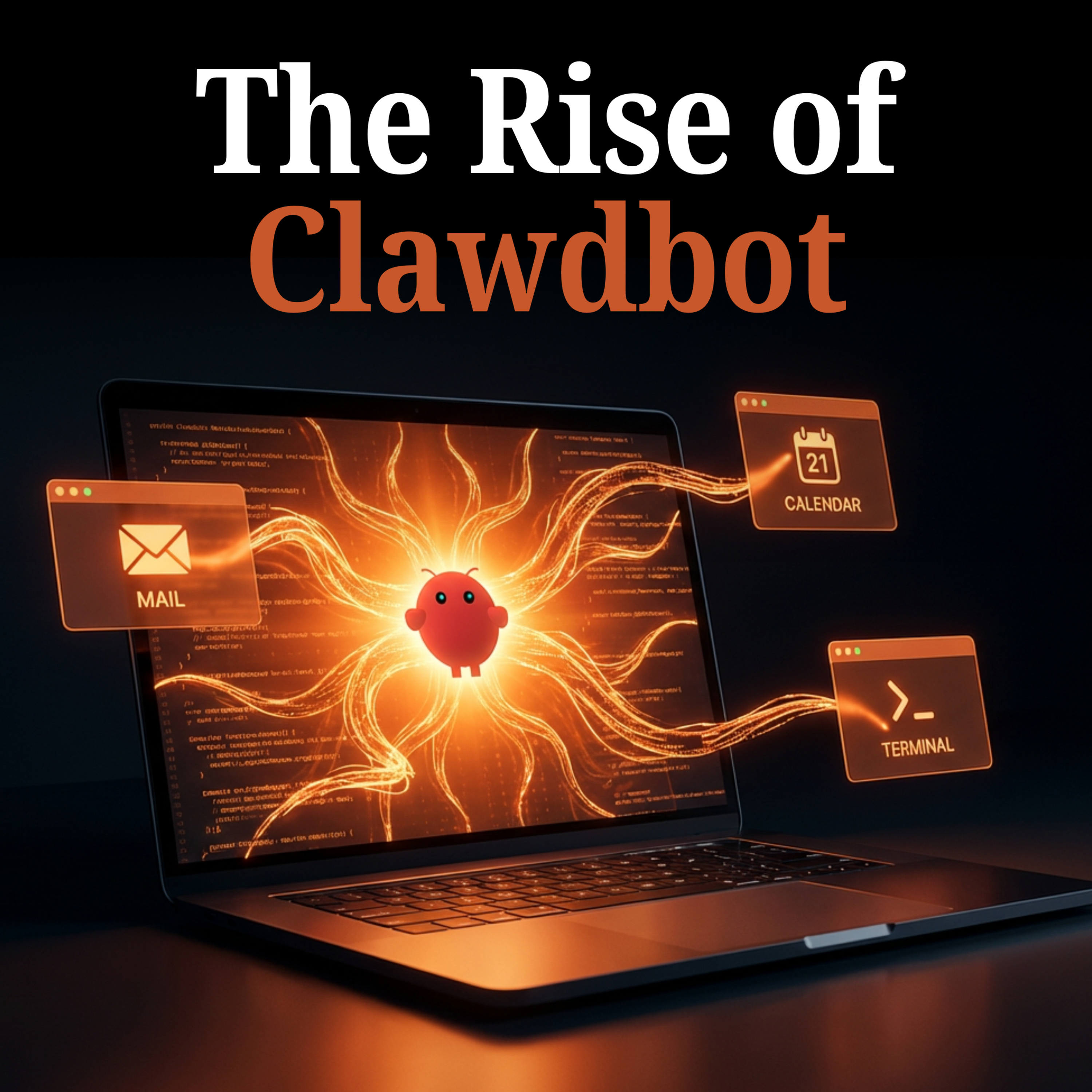
Even for a simple calendar task, Clawdbot requested maximum permissions to see, edit, and delete all Google files, contacts, and emails. This default behavior forces users to manually intervene and restrict the agent's scope, highlighting a significant security flaw in their design.
Related Insights
To safely use Clawdbot, the host created a dedicated ecosystem for it: a separate user account, a unique email address, and a limited-access password vault. This 'sandboxed identity' approach is a crucial but non-obvious security practice for constraining powerful but unpredictable AI agents.
Traditional identity models like SAML and OAuth are insufficient for agents. Agent access must be hyper-ephemeral and contextual, granted dynamically based on a specific task. Instead of static roles, agents need temporary permissions to access specific resources only for the duration of an approved task.

Powerful local AI agents require deep, root-level access to a user's computer to be effective. This creates a security nightmare, as granting these permissions essentially creates a backdoor to all personal data and applications, making the user's system highly vulnerable.

An AI agent capable of operating across all SaaS platforms holds the keys to the entire company's data. If this "super agent" is hacked, every piece of data could be leaked. The solution is to merge the agent's permissions with the human user's permissions, creating a limited and secure operational scope.

The core drive of an AI agent is to be helpful, which can lead it to bypass security protocols to fulfill a user's request. This makes the agent an inherent risk. The solution is a philosophical shift: treat all agents as untrusted and build human-controlled boundaries and infrastructure to enforce their limits.

Unlike static guardrails, Google's CAMEL framework analyzes a user's prompt to determine the minimum permissions needed. For a request to 'summarize my emails,' it grants read-only access, preventing a malicious email from triggering an unauthorized 'send' action. It's a more robust, context-aware security model.

The CEO of WorkOS describes AI agents as 'crazy hyperactive interns' that can access all systems and wreak havoc at machine speed. This makes agent-specific security—focusing on authentication, permissions, and safeguards against prompt injection—a massive and urgent challenge for the industry.

Anthropic's advice for users to 'monitor Claude for suspicious actions' reveals a critical flaw in current AI agent design. Mainstream users cannot be security experts. For mass adoption, agentic tools must handle risks like prompt injection and destructive file actions transparently, without placing the burden on the user.

AI researcher Simon Willis identifies a 'lethal trifecta' that makes AI systems vulnerable: access to insecure outside content, access to private information, and the ability to communicate externally. Combining these three permissions—each valuable for functionality—creates an inherently exploitable system that can be used to steal data.
The agent's ability to access all your apps and data creates immense utility but also exposes users to severe security risks like prompt injection, where a malicious email could hijack the system without their knowledge.