Get your free personalized podcast brief
We scan new podcasts and send you the top 5 insights daily.
Startups can explore core human experiences like companionship, persuasion, and sexuality that AI models can reflect. Large corporations are structurally incapable of shipping such 'weird' products because their internal committees are designed to sanitize and de-risk everything, creating a market gap for startups.

Related Insights
When evaluating AI startups, don't just consider the current product landscape. Instead, visualize the future state of giants like OpenAI as multi-trillion dollar companies. Their "sphere of influence" will be vast. The best opportunities are "second-order" companies operating in niches these giants are unlikely to touch.

Big tech (Google, Microsoft) has the data and models for a perfect AI agent but lacks the risk tolerance to build one. Conversely, startups are agile but struggle with the data access and compliance hurdles needed to integrate with user ecosystems, creating a market impasse for mainstream adoption.

Chesky observes that the vast majority of AI startups focus on enterprise applications, leaving a significant opportunity in consumer-facing products. He argues that the largest companies will be those that impact daily life and advises entrepreneurs not to shy away from the harder, "hits-driven" consumer market.

Large AI labs like OpenAI are not always the primary innovators in product experience. Instead, a "supply chain of product ideas" exists where startups first popularize new interfaces, like templated creation. The labs then observe what works and integrate these proven concepts into their own platforms.

Startups like ElevenLabs and Midjourney compete with large AI labs by imbuing their models with a founder's specific 'taste.' This unique aesthetic, from voice texture to image style, creates a product identity that is difficult for a general, large-scale model to replicate.

Product managers at large AI labs are incentivized to ship safe, incremental features rather than risky, opinionated products. This structural aversion to risk creates a permanent market opportunity for startups to build bold, niche applications that incumbents are organizationally unable to pursue.
YC Partner Harsh Taggar suggests a durable competitive moat for startups exists in niche, B2B verticals like auditing or insurance. The top engineering talent at large labs like OpenAI or Anthropic are unlikely to be passionate about building these specific applications, leaving the market open for focused startups.

Many engineers at large companies are cynical about AI's hype, hindering internal product development. This forces enterprises to seek external startups that can deliver functional AI solutions, creating an unprecedented opportunity for new ventures to win large customers.
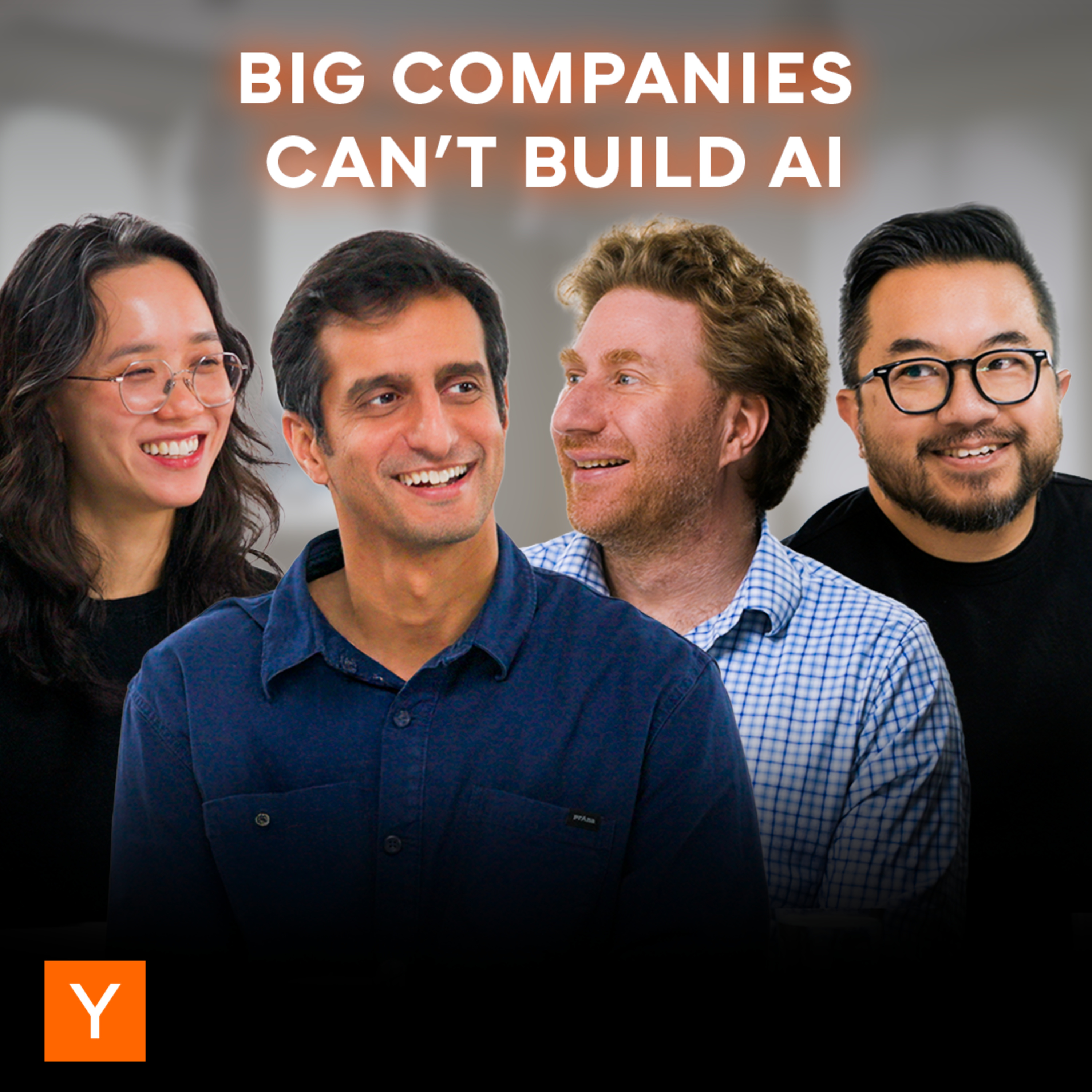
Despite massive spending and partnerships, Microsoft, Amazon, Apple, and Meta have failed to launch a defining, consumer-facing AI product. This surprising lack of execution challenges the assumption that incumbents would easily dominate the AI space, leaving the door open for native AI startups.

AI will decentralize entrepreneurship by enabling solo founders to build software for niche markets. These small markets, often dismissed by VCs, can support highly profitable lifestyle businesses for individuals, creating a new wave of company creation outside the traditional Silicon Valley model.
