Get your free personalized podcast brief
We scan new podcasts and send you the top 5 insights daily.
CEO Vasant Narasimhan explains that even successful, diversified businesses within a pharma conglomerate lead to strategic capital misallocation. Focusing on the core competency of discovering novel medicines created far more value than maintaining a diversified portfolio of otherwise healthy businesses.

Related Insights
Biotech companies create more value by focusing on de-risking molecules for clinical success, not engineering them from scratch. Specialized platforms can create molecules faster and more reliably, allowing developers to focus their core competency on advancing de-risked assets through the pipeline.

A decade ago, Neurocrine made the difficult decision to pause development of a promising CRF2 agonist. This ruthless prioritization freed up essential capital and focus to successfully develop what became INGREZZA, their blockbuster drug, demonstrating a long-term strategy of sacrificing a good opportunity for a great one.

The transition from a resource-rich environment like Novartis to an early-stage biotech reveals a stark contrast. The unlimited access to a global organization is replaced by a total reliance on a small, nimble team where everyone must be multi-skilled and hands-on, a change even experienced executives find jarring.

According to Novartis's CEO, a top reason for rejecting potential biotech partners is their underinvestment in Chemistry, Manufacturing, and Controls (CMC). Startups often neglect this unglamorous work, leading to deal failure because the acquirer can't be sure the drug can be scaled efficiently and safely.
Tempur-Pedic was diluting its focus by expanding into chairs and shoe insoles. A consultant advised them to stop all ancillary projects and focus solely on being a mattress company. This singular focus on their core niche business was the catalyst for their massive growth.

Blanc's successful turnaround of Aviva began by divesting eight businesses where they lacked a top-three market position. This freed up capital, reduced debt, and allowed the core, high-scale operations in the UK, Ireland, and Canada to shine, proving that focused scale beats broad but shallow market presence.
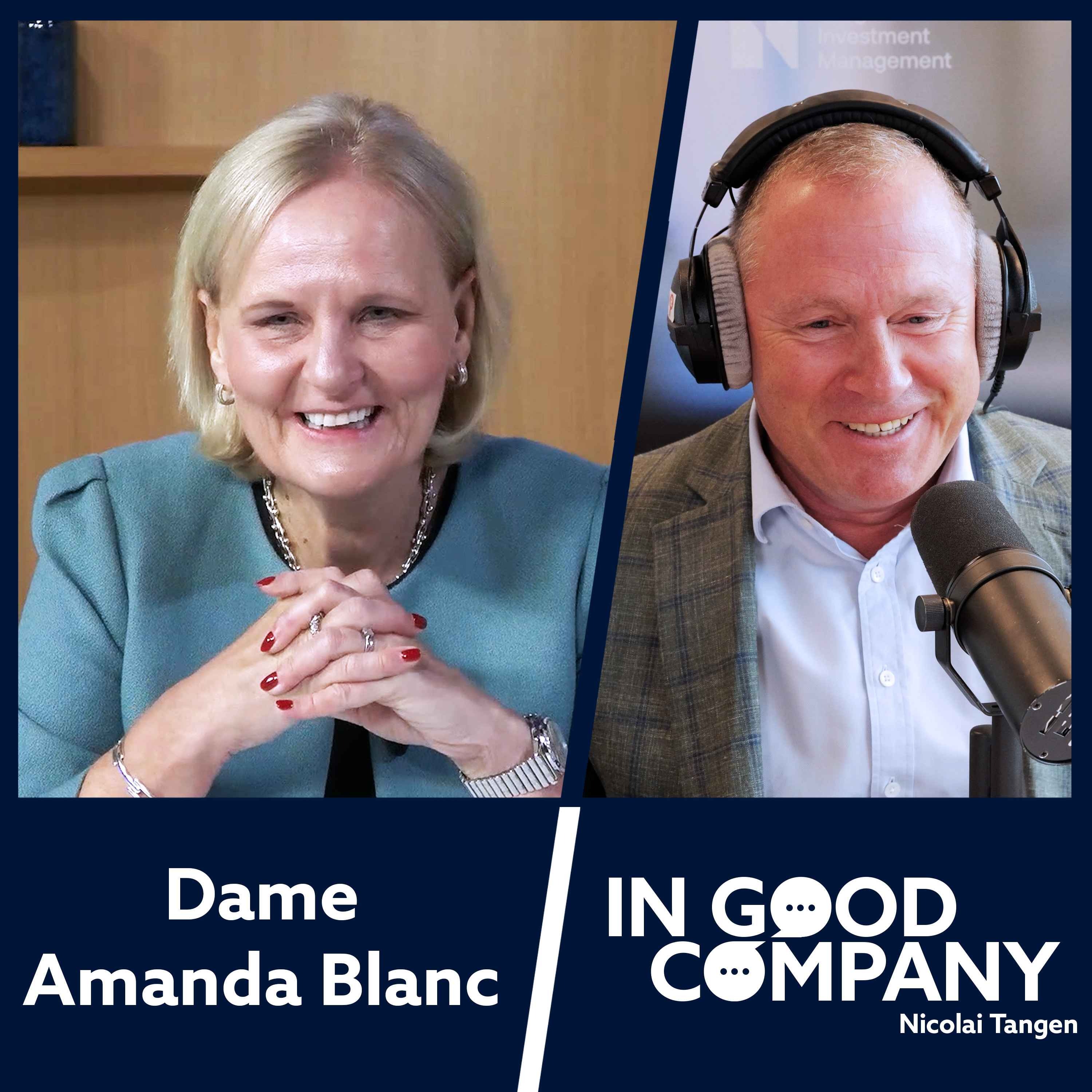
Contrary to the trend of specialized 'monoline' companies, Aviva's CEO asserts that diversification offers significant capital benefits. It also allows for the efficient scaling of major investments, like generative AI, across numerous product lines—a strategy that has proven more resilient and successful over the last five years.
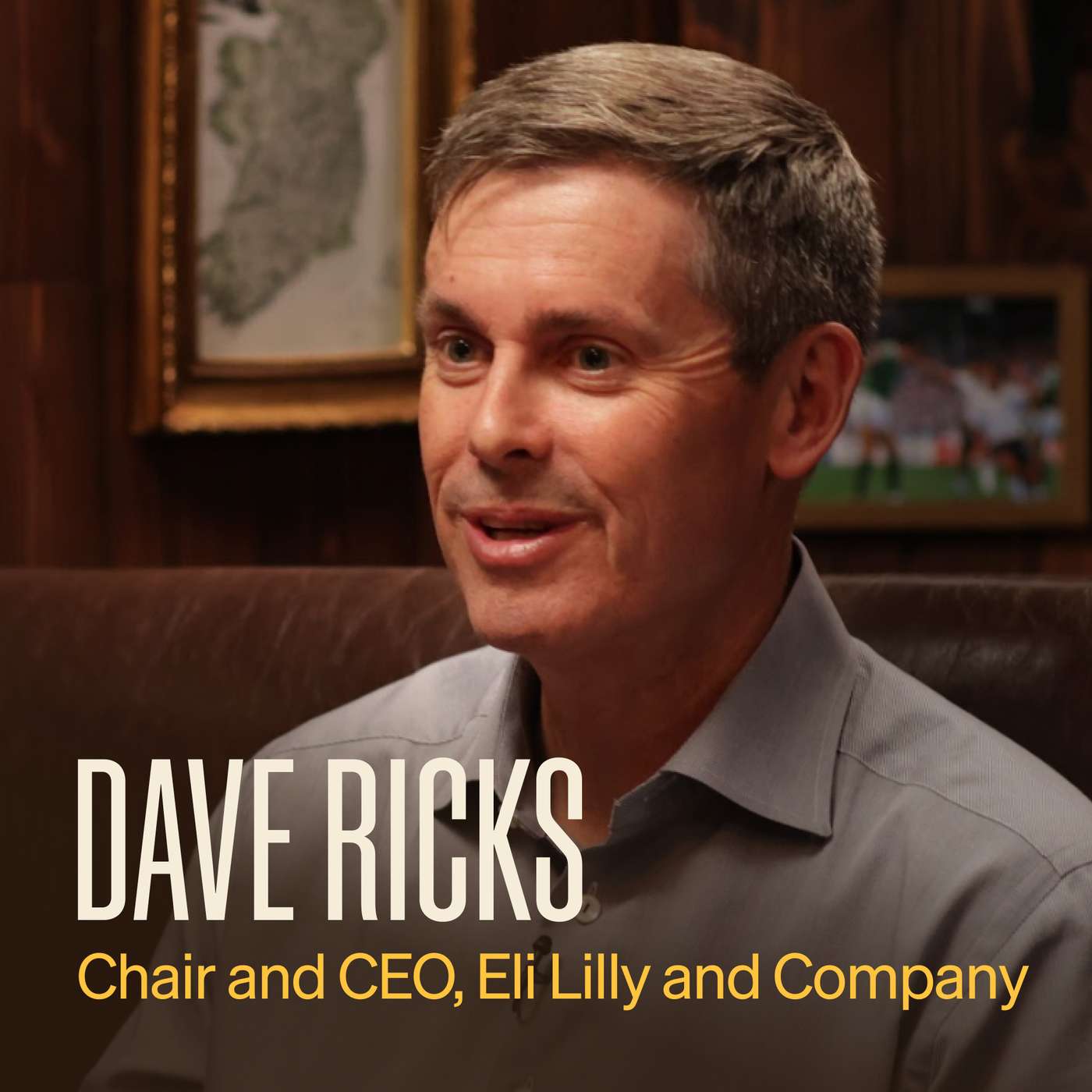
To avoid the pitfalls of scale in R&D, Eli Lilly operates small, focused labs of 300-400 people. These 'internal biotechs' have mission focus and autonomy, while leveraging the parent company's scale for clinical trials and distribution.
Amanda Blanc transformed Aviva by divesting from any market where the company wasn't a top-three player. This sharpened focus, deleveraged the balance sheet, and revealed the strength of their core, scaled businesses.

Novartis's CEO views AI not as a single breakthrough technology but as an enabler that creates small efficiencies across the entire R&D value chain. The real impact comes from compounding these small gains to shorten drug development timelines by years and improve overall success rates.