Get your free personalized podcast brief
We scan new podcasts and send you the top 5 insights daily.
David Booth's close relationship with researcher Eugene Fama allowed him to get a draft of the seminal three-factor model paper in 1991. He immediately acted on it, flying a client to Chicago to hear the research directly from Fama and launching value strategies before the academic world had seen the published work.

Related Insights
Dan Loeb credits his formative learning not just to mentors, but to actively studying and deconstructing the investment philosophies of his smartest clients, like David Tepper. He treated these interactions as opportunities to build his own mental model by "copying and reverse engineering" their best ideas.

Despite the common focus on bottom-up fundamental analysis, statistical evidence shows two-thirds of an investment manager's relative performance is determined by macro factors, such as whether growth or value stocks are in favor. Ignoring top-down signals like Fed policy is a significant mistake, as it means overlooking the largest driver of returns.

CFM maintains a strong academic presence not just for research, but as a core talent acquisition strategy. By having its leaders publish papers and hold professorships, the firm attracts top-tier PhD talent who are already familiar with their work and view CFM as a destination for serious, cutting-edge research.

Company investor relations teams want stable, long-term shareholders. Funds known for 5-10 year holding periods become preferred partners for management, providing deeper insights and a research edge unavailable to short-term hedge funds or index funds.

Over the past two decades, equity analysis has evolved beyond simply valuing a company's physical or financial assets. The modern approach focuses on identifying "alpha" factors—trading baskets of stocks grouped by shared characteristics like strong balance sheets or non-US revenue exposure.

Despite decades of evidence, there is no agreement on why factors like "value" (cheap stocks outperforming) work. The debate is split between rational risk-based explanations (Fama's view that they are inherently riskier) and behavioral ones (Shiller's view that investors make systematic errors). This uncertainty persists at the core of quant investing.

Asset managers can avoid recycling old ideas by running a parallel institutional research service. The need to deliver fresh ideas to sophisticated, paying clients who challenge assumptions creates a powerful forcing function for continuous, contrarian idea generation that benefits the asset management side.

Instead of designing funds to meet popular demand, DFA focused on leading with research and ideas they believed in. This educational approach attracted high-conviction clients who understood the philosophy, making them more likely to remain invested during periods of underperformance.
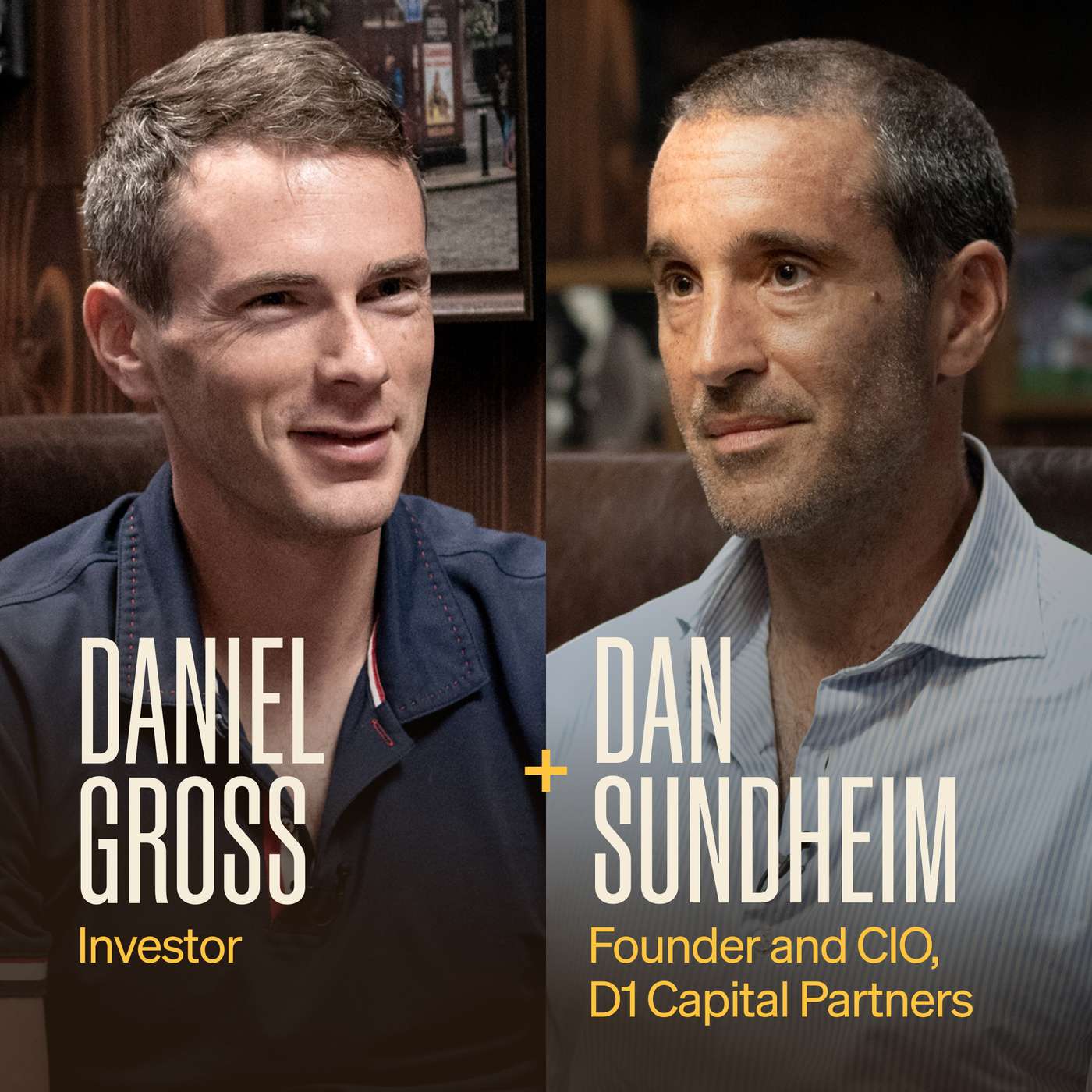
In fast-moving public markets, waiting for a full investment memo can mean missing the opportunity. D1 Capital starts buying a position while the memo is being written, using it as a final diligence check rather than a prerequisite for action. The conviction is built through dialogue long before the final document.
GMO's spectacular early success came from investing in obscure small-cap value stocks that no institutional investors followed. This created an 'unfair advantage' where they could get deep insights directly from management and competed only against amateur local shareholders, a battle they could easily win.