Get your free personalized podcast brief
We scan new podcasts and send you the top 5 insights daily.
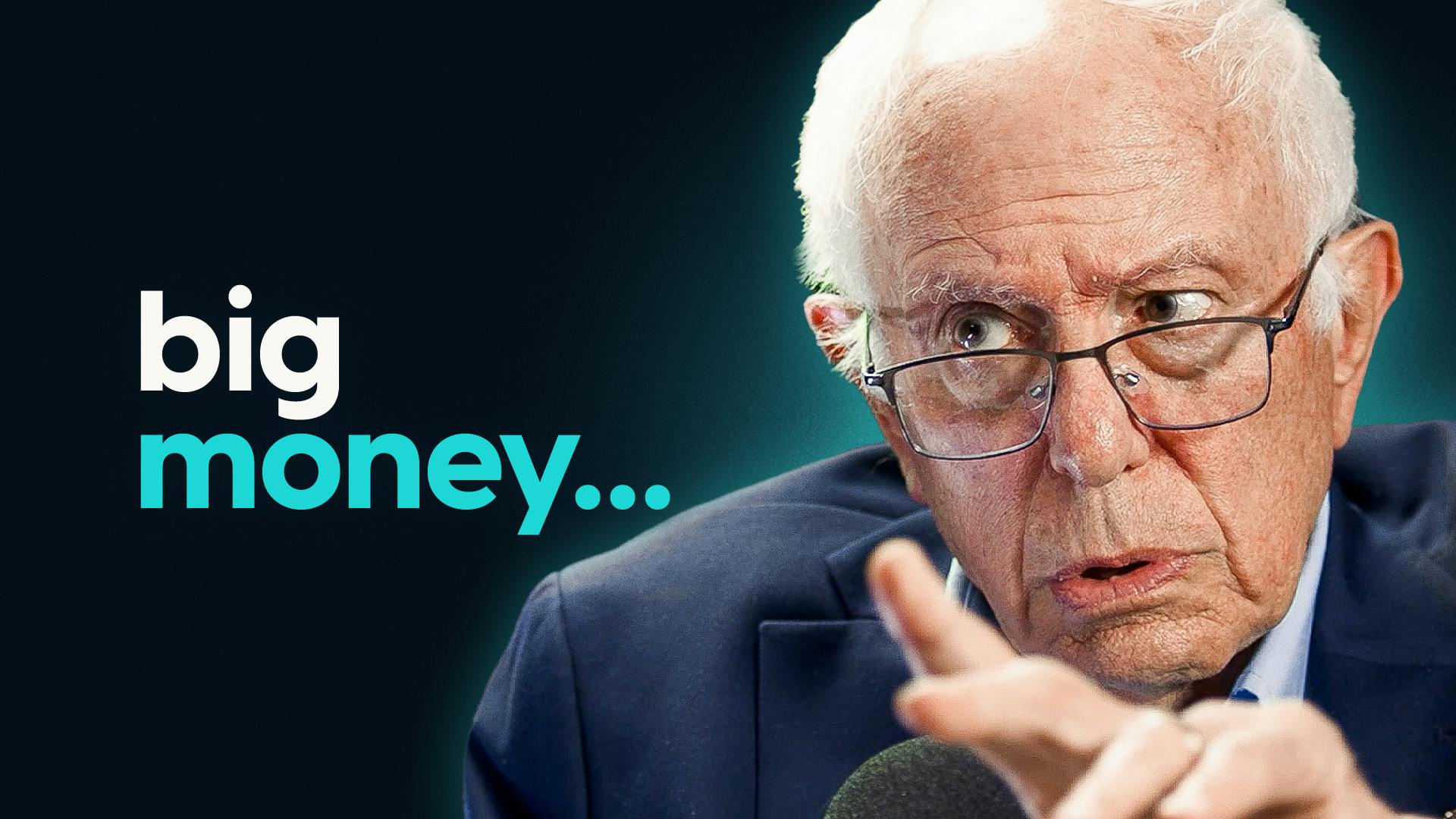
Bernie Sanders' pivot from decrying 'millionaires and billionaires' to just 'billionaires' reveals a political pattern. As politicians become millionaires themselves, they subtly adjust their populist rhetoric to exclude their own wealth class, exposing the performative nature of their outrage against the rich.

Related Insights
Senator Bernie Sanders argues the Democratic party, once the party of the working class, began courting wealthy donors in the 1970s. This strategic shift led them to neglect core economic issues, causing their traditional base to feel alienated and vote for candidates like Donald Trump.
Democrats alienate voters by attacking identity groups like "billionaires." Senator Ossoff's shift to attacking "the Epstein class" focuses on reprehensible behavior instead of success, making the message more precise and palatable to a broader audience without alienating aspirational voters.

Just as the prevalence of billionaires provided a 'heat shield' for millionaires by making them seem less extreme, the emergence of trillionaires will make the billionaire class a less potent target for political and social outrage. Public perception of wealth is relative, not absolute.

Senator Jon Ossoff's term "the Epstein class" offers a precise political weapon. It isolates and condemns depraved, lawless behavior without alienating aspirational voters through a broad attack on wealth. This reframing distinguishes between legitimate success and corrupt entitlement, making it a more powerful narrative.

As the first trillionaires emerge, they will absorb the public and political scrutiny currently aimed at billionaires. This dynamic will effectively normalize billionaire status, much like the rise of billionaires made millionaires seem more commonplace and less of a target for criticism over wealth inequality.

Talarico's victory speech explicitly targeted the "unchecked power" of billionaires, framing the political battle around economic inequality. This class-focused messaging shows a path for Democrats to energize voters and win in states like Texas.
Sen. John Ossoff's term 'Epstein class' is a brilliant political framing. It allows Democrats to attack a specific culture of ultra-wealthy corruption and impunity without alienating all affluent individuals or donors. It isolates a 'virus' of depravity rather than condemning an entire economic class, making the critique more targeted and effective.

Political alignment is becoming secondary to economic frustration. Voters are responding to candidates who address rising costs, creating unpredictable alliances and fracturing established bases. This dynamic is swamping traditional ideology, forcing both parties to scramble for a new populist message centered on financial well-being.

Congressman Ro Khanna's controversial tax proposals are a calculated political move. He understands that provoking public opposition from tech billionaires manufactures a powerful narrative for a potential presidential run. This allows him to frame himself as a champion against "billionaire capitalist overlords," a winning play for a national Democratic primary.

In times of economic inequality, people are psychologically driven to vote for policies that punish a perceived enemy—like the wealthy or immigrants—rather than those that directly aid the poor. This powerful emotional desire for anger and a villain fuels populist leaders.