Get your free personalized podcast brief
We scan new podcasts and send you the top 5 insights daily.
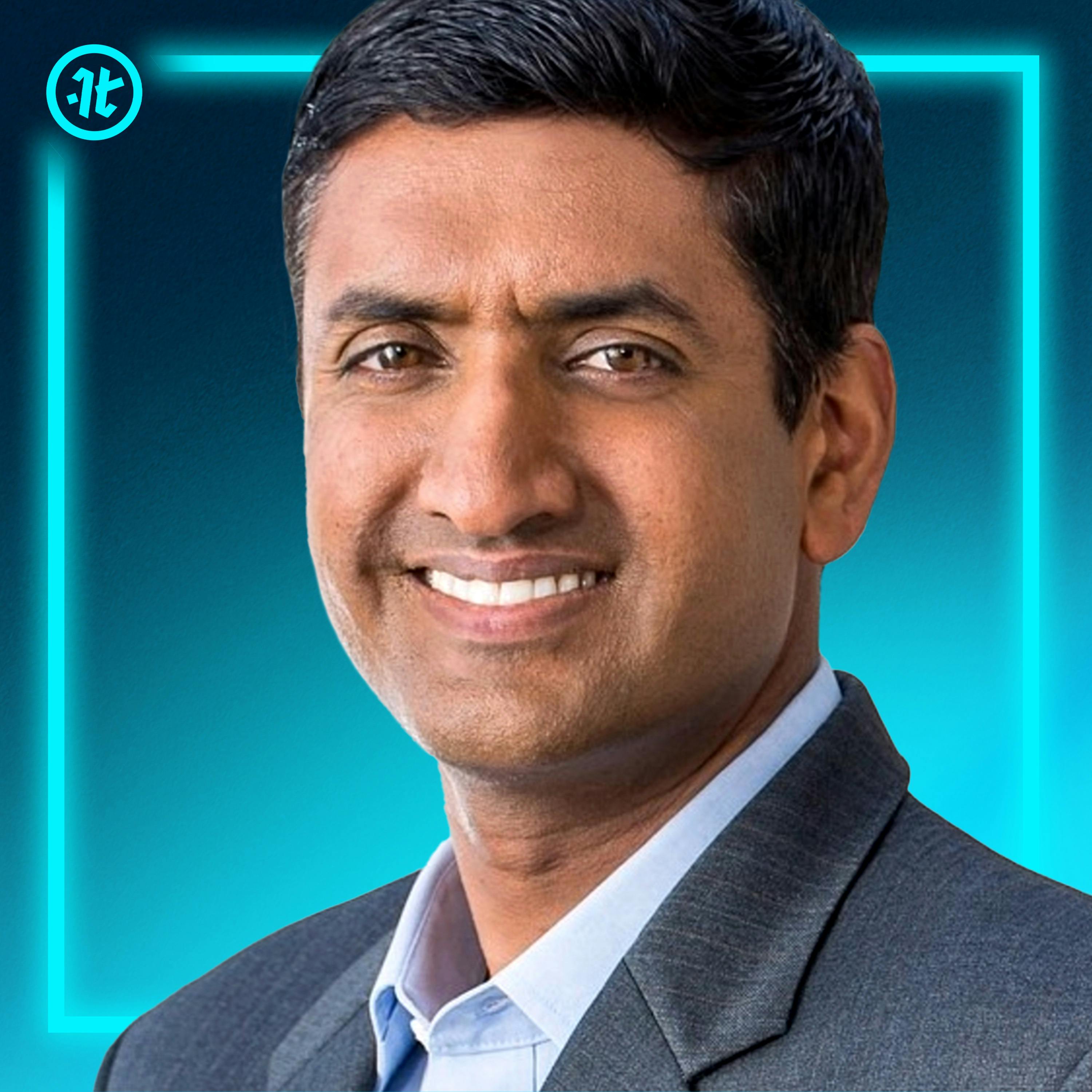
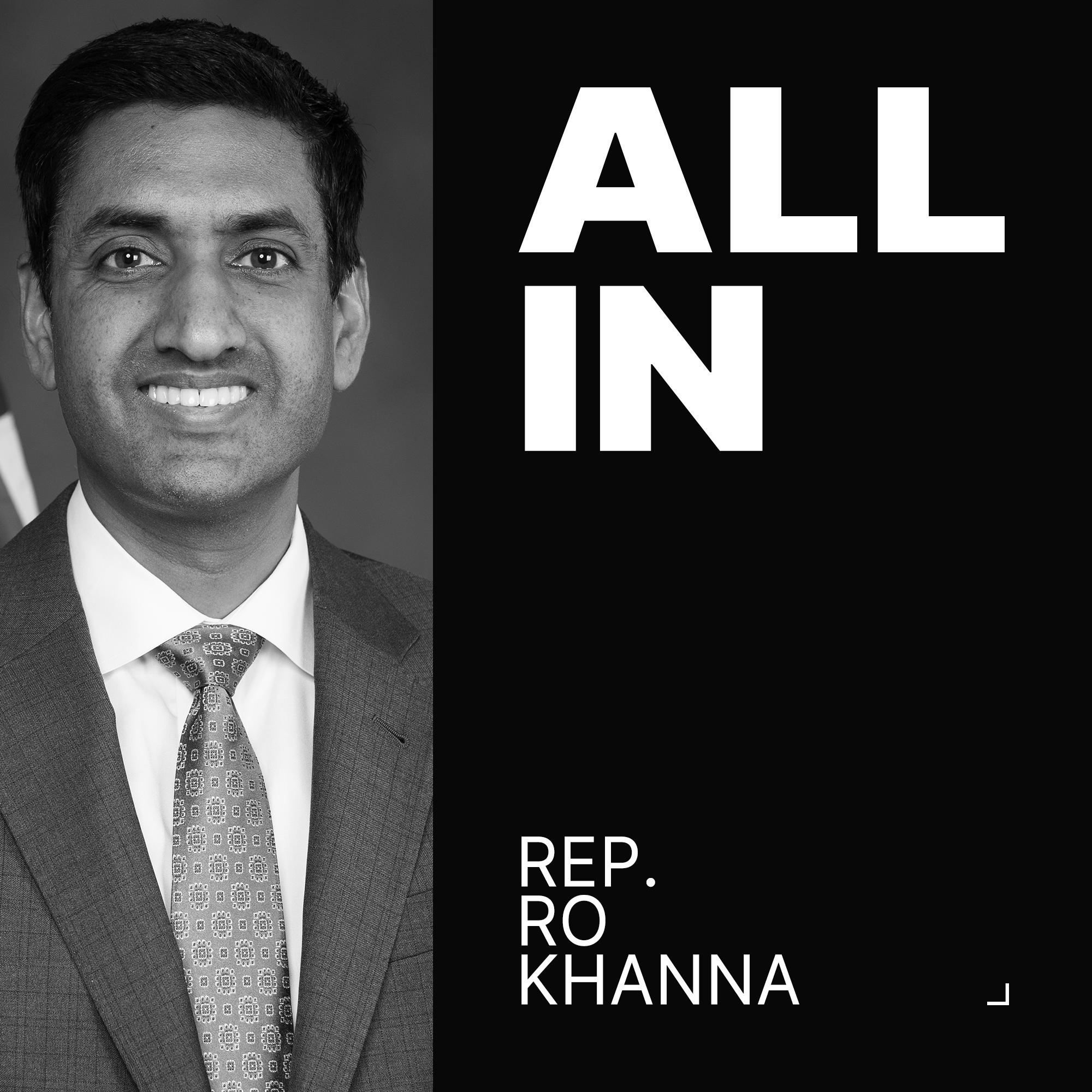
Congressman Ro Khanna's controversial tax proposals are a calculated political move. He understands that provoking public opposition from tech billionaires manufactures a powerful narrative for a potential presidential run. This allows him to frame himself as a champion against "billionaire capitalist overlords," a winning play for a national Democratic primary.

Related Insights
Policies that pump financial markets disproportionately benefit asset holders, widening the wealth gap and fueling social angst. As a result, the mega-cap tech companies symbolizing this inequality are becoming prime targets for populist politicians seeking to channel public anger for electoral gain.

O'Leary demonstrates how media power translates into political influence. He used his reputation as a job creator to gain access to congressional staffers writing legislation, successfully negotiating changes to paragraphs he deemed harmful to small businesses, like shortening an IRS audit period.

AI and immense tech wealth are becoming a lightning rod for populist anger from both political parties. The right is fracturing its alliance with tech over censorship concerns, while the left is turning on tech for its perceived alignment with the right, setting up a challenging political environment.
Congressman Ro Khanna proposes a tax on the total net worth of individuals with over $100 million. Unlike an income or capital gains tax, this targets unrealized wealth, forcing the liquidation of assets like stocks to generate the cash needed to pay the tax.
The SEIU's ballot initiative for a 5% billionaire wealth tax is likely unconstitutional. However, its real purpose may be to force wealthy individuals and politicians to publicly oppose it, creating identifiable political targets for the next election cycle.
After temporary alliances like 'Red and Tech vs. Blue', the next major political shift will unite the establishment left and right against the tech industry. Blues resent tech's capitalists, Reds resent its immigrants, and the political center blames it for societal ills. This will create a powerful, unified front aiming to curtail tech's influence and wealth.

Congressman Ro Khanna argues that the primary corrupting force in American politics has shifted from money to hate and extremism. The modern attention economy rewards divisive behavior with media coverage and base support, making rational, bipartisan compromise a politically costly strategy.
By publicly supporting a California wealth tax that is unlikely to pass, Nvidia's CEO Jensen Huang positions himself as a 'good billionaire.' This is a canny strategy to generate goodwill and improve his brand without incurring any actual financial cost.

Billionaire CEOs face a no-win situation where publicly opposing a wealth tax invites attacks from employees, shareholders, and media. The rational response is to remain silent while privately planning a move to a more favorable tax jurisdiction like Austin or Miami.
Tech professionals are becoming a modern 'market-dominant minority'—an identifiable class that wins economically but is outnumbered democratically. Like historical parallels (e.g., Jews in Germany, Chinese in Southeast Asia), this status makes the industry a target for backlash from a frustrated majority, fueled by envy and political opportunism from both the left and right.