Get your free personalized podcast brief
We scan new podcasts and send you the top 5 insights daily.
Sen. John Ossoff's term 'Epstein class' is a brilliant political framing. It allows Democrats to attack a specific culture of ultra-wealthy corruption and impunity without alienating all affluent individuals or donors. It isolates a 'virus' of depravity rather than condemning an entire economic class, making the critique more targeted and effective.

Related Insights
Policies that pump financial markets disproportionately benefit asset holders, widening the wealth gap and fueling social angst. As a result, the mega-cap tech companies symbolizing this inequality are becoming prime targets for populist politicians seeking to channel public anger for electoral gain.

Political messaging that separates economic issues (like grocery prices) from the fight for democracy is ineffective. Leaders should instead argue that protecting democracy is the only way to ensure economic stability and prevent servitude to oligarchs, a strategy used by Lincoln and FDR.

The Epstein files show how internal party challengers can leverage a single, highly-charged issue to confront a dominant leader like Trump. This tactic allows figures like Marjorie Taylor Greene to gain national visibility and reshape their political brand, potentially shifting from extremist to 'reasonable' in the public eye.
Extreme wealth creates a dangerous societal rift not just through inequality, but by allowing the ultra-rich to opt out of public systems. They have their own concierge healthcare, private transportation, and elite schools, making them immune to and ignorant of the struggles faced by the other 99.9%, which fuels populist anger.
The super-rich lose empathy not necessarily because they are bad people, but because their lifestyle systematically isolates them from common experiences. With private airports, healthcare, and schools, they no longer participate in or understand the struggles of mainstream society. This segregation creates a fundamental disconnect that impacts their worldview and political influence.

Buttigieg frames wealth inequality not just as an economic issue but as an existential threat to the American republic. He states that historically, no republic has been able to maintain its form of government after reaching the current level of wealth and power concentration seen in the U.S.
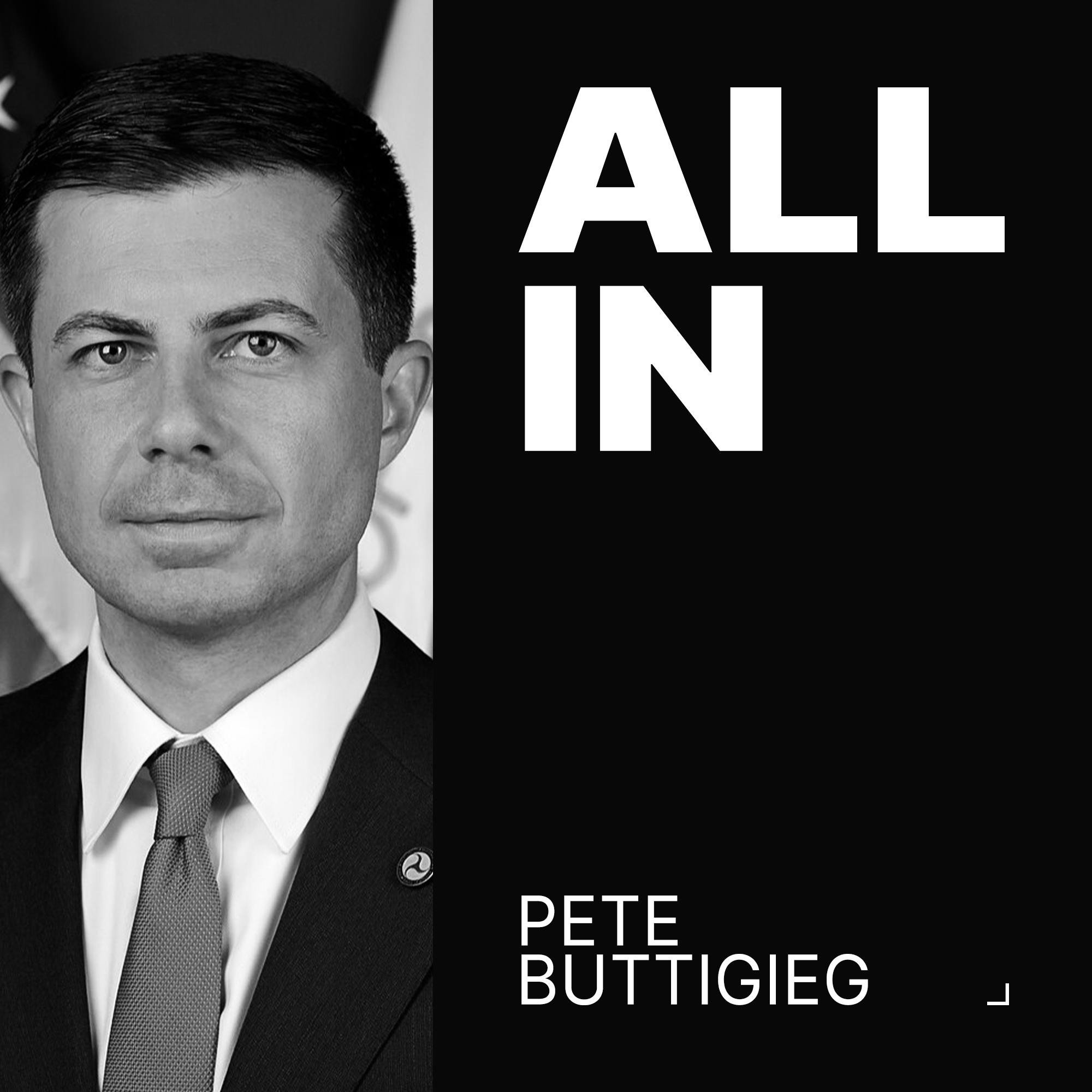
Elites often hold beliefs about how society should be ordered that sound virtuous but would be disastrous for ordinary people. The proponents of these 'luxury beliefs' are insulated from the negative real-world consequences by their own wealth and status.

Congressman Ro Khanna's controversial tax proposals are a calculated political move. He understands that provoking public opposition from tech billionaires manufactures a powerful narrative for a potential presidential run. This allows him to frame himself as a champion against "billionaire capitalist overlords," a winning play for a national Democratic primary.

In times of economic inequality, people are psychologically driven to vote for policies that punish a perceived enemy—like the wealthy or immigrants—rather than those that directly aid the poor. This powerful emotional desire for anger and a villain fuels populist leaders.
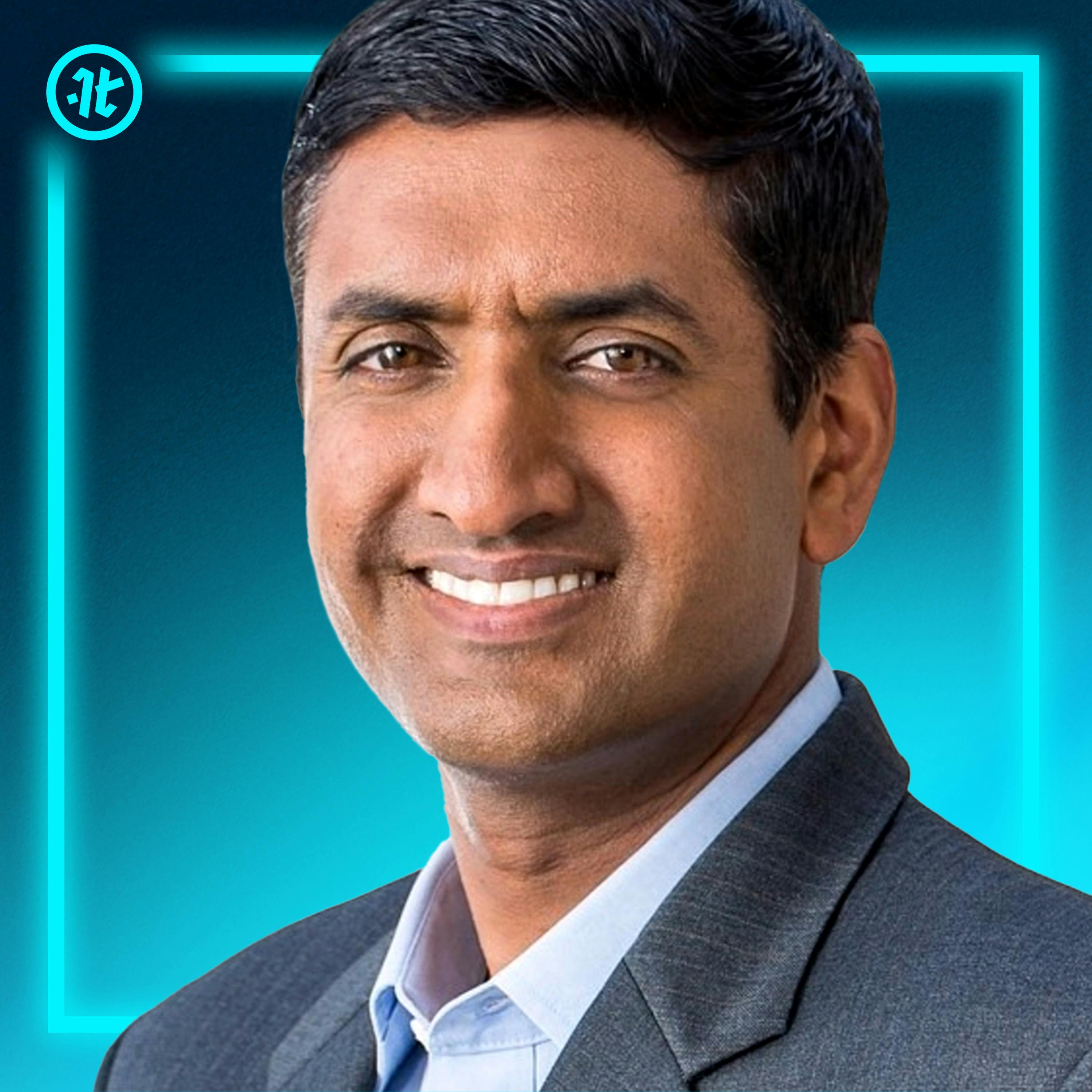
Through capital and connections, the top 1% can navigate the legal and political systems to their advantage—from securing bailouts to obtaining pardons. This creates a two-tiered system of justice where the law binds the 99% but does not equally protect them.
