Get your free personalized podcast brief
We scan new podcasts and send you the top 5 insights daily.
Contrary to the stereotype of unused luxury equipment, founders find home gyms to be consistently worth the investment. By removing the friction of traveling to a gym, they enable greater consistency and commitment to fitness, directly impacting long-term health more effectively than sporadic, intense efforts.

Related Insights
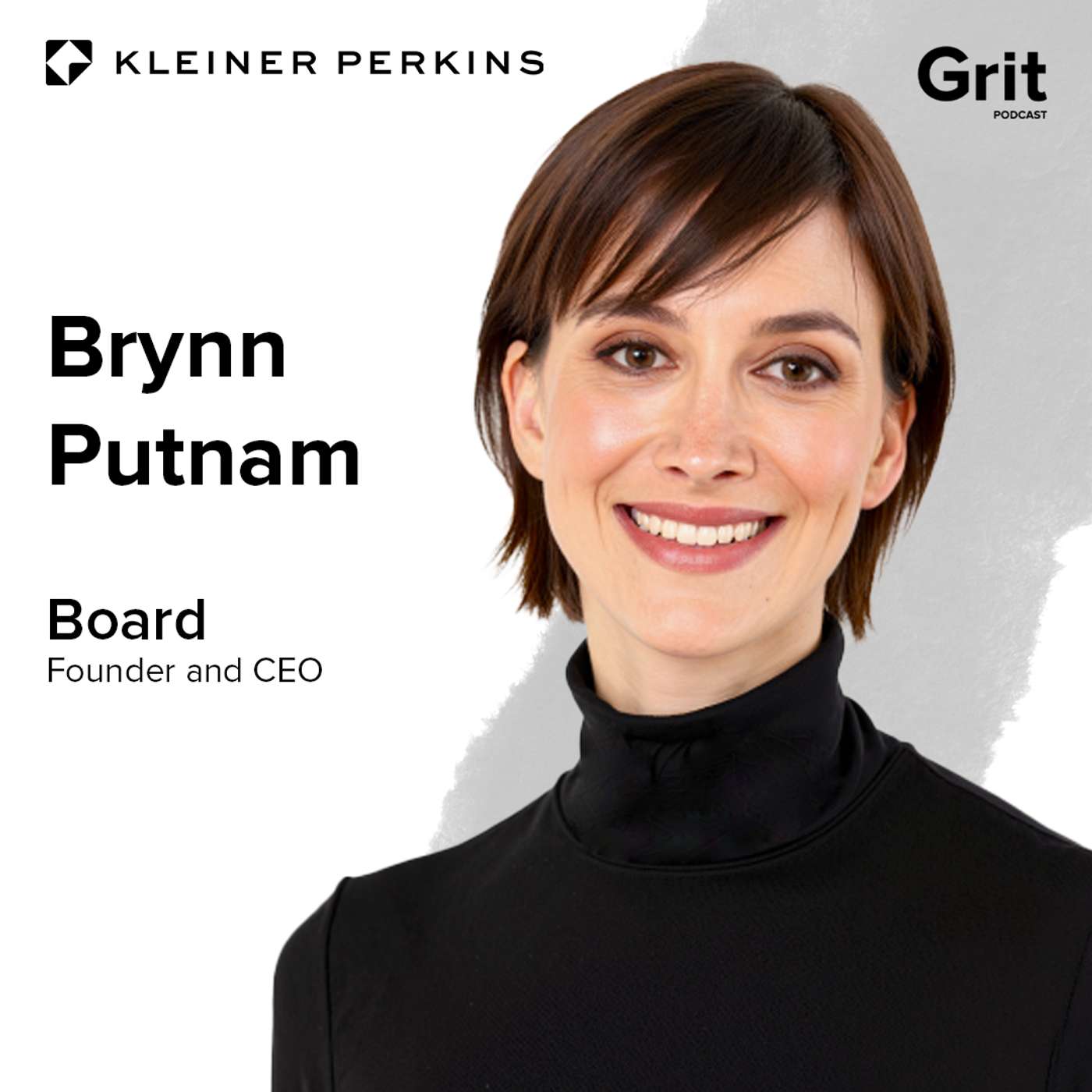
Before raising venture capital for Mirror, founder Bryn Putnam bootstrapped the initial year of R&D using profits from her four successful fitness studios. This provided non-dilutive capital and a safety net, allowing her to explore the high-risk hardware concept without immediate investor pressure.
By allowing insurance companies to price plans based on biometric data (blood pressure, fitness), you create powerful financial incentives for people to improve their health. This moves beyond abstract advice and makes diet and exercise a direct factor in personal finance, driving real behavioral change.

A consistent pattern among wealthy founders reveals that worthwhile purchases enhance life by creating more time, improving health, and fostering calm. In contrast, purchases focused on status items like cars and watches are often regretted because they add complexity and responsibility without improving well-being.
Systems—repeatable processes that save time, energy, and stress—are more reliable than willpower, which fades. Instead of just setting goals, build systems that make achieving them the default outcome, even when motivation is low.

Contrary to viewing workouts as a time sink, a 20-30 minute high-intensity session can be a 'freebie.' It generates more productive energy and focus than the time it consumes, effectively returning the invested time through enhanced efficiency, better sleep, and improved mood throughout the day.
Reframe a new goal to align with a person's existing identity and skills. Neuroscientist Emily Falk was convinced to take up running when her brother framed it as a task for academics, who excel at planning and long-term work. This shifted the activity from a foreign physical challenge to something that leveraged her pre-existing strengths, making it more appealing.

Celebrating small, tracked achievements builds belief in your capabilities. This belief eventually shapes your identity (e.g., 'I am a person who works out'). Once an action is part of your identity, it becomes effortless and automatic, eliminating the need for constant motivation.
The decision to exercise is often a daily debate that drains willpower. By pre-committing to exercising every day, you eliminate the "if" and change the mental conversation to a simple logistical question of "when." This reframing makes consistency far more achievable.

Instead of building many habits at once, focus on one or two 'upstream' ones that cause a cascade of positive effects. For example, exercising regularly often leads to better sleep, improved focus, and healthier eating habits without directly trying to change them.

To help people adopt healthier lifestyles, Lifetime focuses on making the first steps small, easy, and fun. The goal is to let people experience immediate positive feedback—like a "little bounce" from 10 minutes on a treadmill. This builds a habit loop, creating a positive "addiction" to feeling good, which is more powerful than focusing on a daunting long-term goal.
