Get your free personalized podcast brief
We scan new podcasts and send you the top 5 insights daily.
Kyle says he and Ridd both had full-time product design jobs but share just 5% overlap in what design means to them. Kyle indexes toward product strategy; Ridd leans craft and UI. They had to explicitly swap lanes so each could spike.
Related Insights
True innovation stems from cognitive and interest diversity. Pairing passionate people from disparate fields—like AI and cheese—sparks more creative conversations and breakthroughs than grouping people with similar interests, which merely creates an echo chamber.

Designers who excel at product thinking but struggle with visual craft face a choice: commit to learning modern craft skills, which are now essential, or pivot to a product management role. Their design thinking background would make them highly effective PMs on a design-centric team, where they often earn more.

Who Gives A Crap's founders credit their success to a natural division of labor based on skills in product, strategy, and operations. Crucially, they have just enough shared understanding to collaborate effectively without overstepping into each other's domains.

The most effective teams are formed by finding the right mix of complementary skills and personalities, rather than filling predefined role slots. An "unstoppable" team's composition should be fluid; it might not even include a formal PM if the chemistry between engineering and design is right.

A common dynamic observed in two-person founding teams is a natural division of labor. One founder focuses externally on customer interviews and deal-making, while the other focuses internally on building the product and technology. This specialization allows the tiny team to cover critical ground efficiently.

Geoff Teehan keeps his design team small (5 people) but highly effective. His hiring strategy focuses on finding well-rounded designers who are great across the board but also bring a unique, gap-filling superpower that elevates the entire team's capabilities.
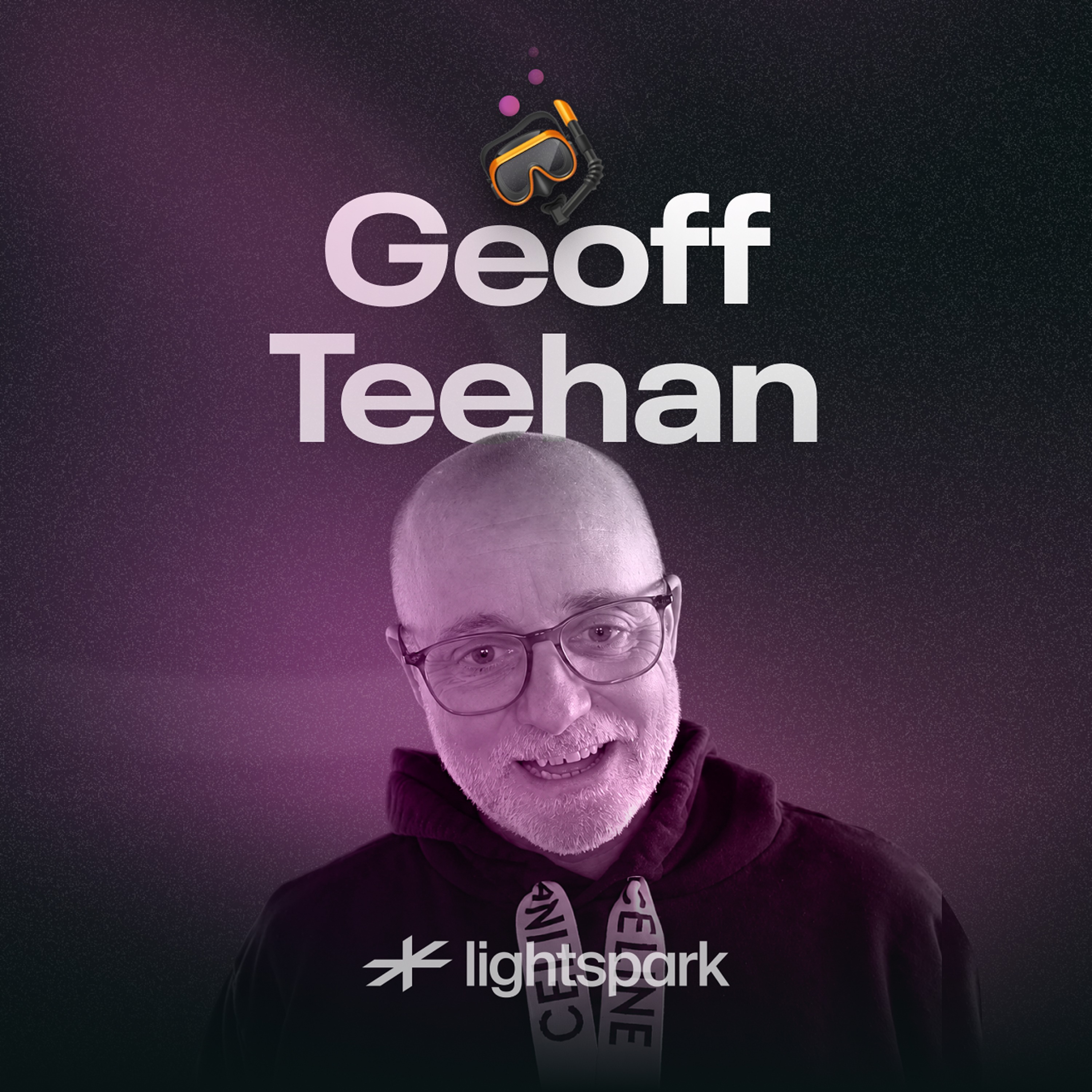
Instead of hiring designers with similar profiles for easier staffing, intentionally seek out diverse skill sets that fill existing gaps. This leads to more interesting collaboration, broader capabilities, and mutual respect within the team.
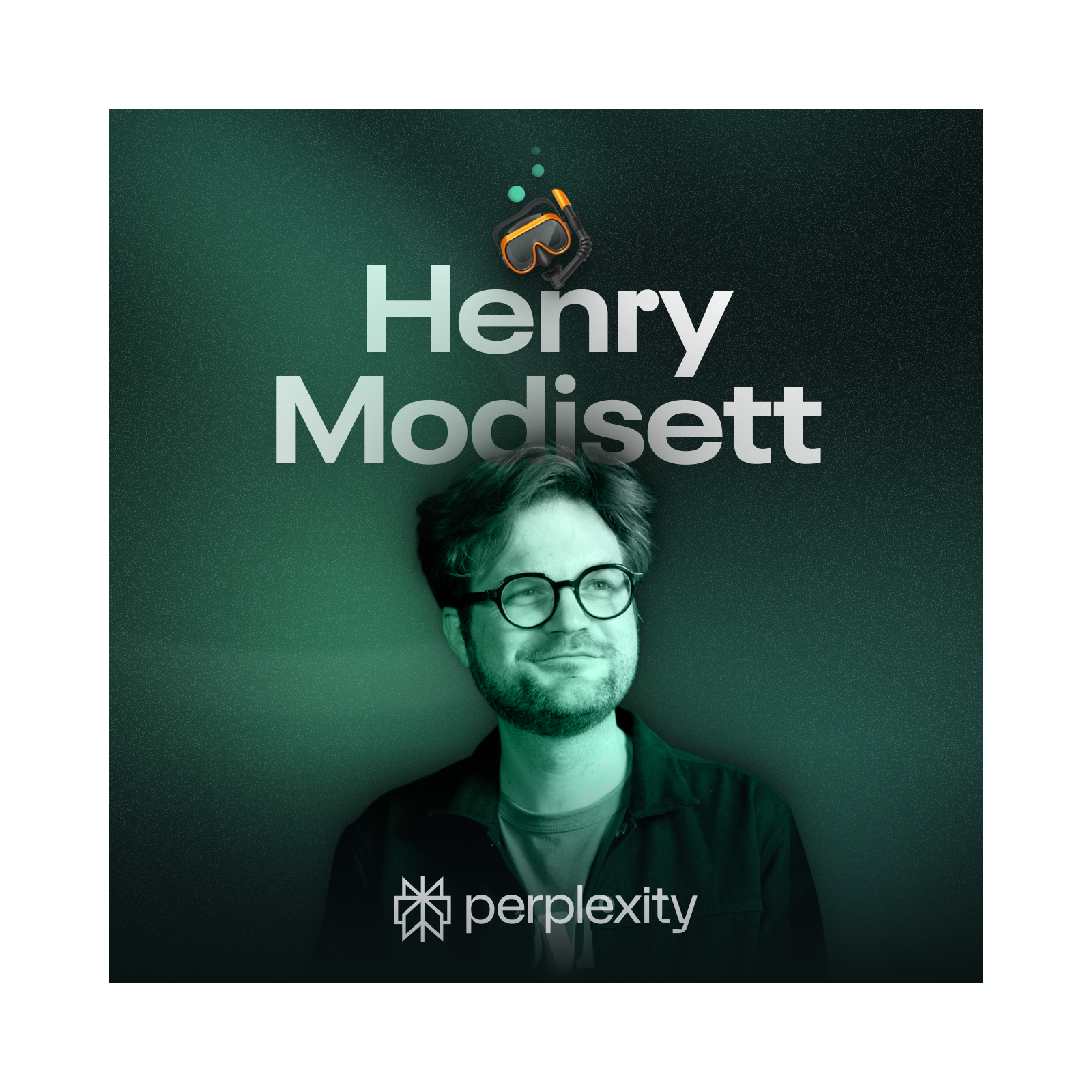
Instead of hiring well-rounded generalists, Wealthsimple's design leadership looks for a unique, standout strength (a 'spike') in every candidate. This creates a more diverse and high-performing team, akin to a sports team with specialized player roles.
The best products are built when engineering, product, and design have overlapping responsibilities. This intentional blurring of roles and 'stepping on each other's toes in a good way' fosters holistic product thinking and avoids the fragmented execution common in siloed organizations.

Gymshark's CCO explains her successful partnership with founder Ben Francis. They share core values, ensuring they move in the same direction, but their completely different "superpowers" create a healthy tension that leads to better-rounded decisions and prevents groupthink.