Get your free personalized podcast brief
We scan new podcasts and send you the top 5 insights daily.
The show is structured for the weekend mindset. Saturdays recap the previous week to provide context on market events, while Sundays prepare listeners for the week ahead with key interviews. This dual focus caters to audience needs for both reflection and preparation.

Related Insights
The show is promoted across TV, radio, a streaming app, and podcasts, with the specific call to action to "bring us with you wherever your weekend plans take you." This highlights a distribution strategy focused on being available everywhere to fit into a user's varied weekend activities, not just their commute.
The podcast's pitch actively counters audience burnout by promising a single, curated, "essential" conversation each week. This positioning respects the listener's time and offers a high-signal alternative in a saturated market, framing the podcast as a valuable weekly appointment rather than just another content stream.

By explicitly including "lifestyle, people, and culture" alongside business, Bloomberg strategically broadens its content appeal. This move is designed to capture a wider audience that seeks more than just pure market analysis during their leisure time on weekends.
Contrary to belief, Fridays are a peak day for webinar registration as professionals focus on self-improvement. Similarly, sending long-form emails on Sunday mornings sees high click-through rates as executives catch up on reading without workplace distractions.

By launching on TV, radio, app stream, and podcast simultaneously and urging listeners to "make us part of your weekend routine," Bloomberg's strategy is to deeply integrate into users' existing habits. The goal is creating a persistent ritual, not just capturing one-time viewership.

The Kapo Chronicle bundles all content—four main stories, news briefs, and a calendar—into a single weekly Sunday edition. This "packaged product" approach, unlike a constant stream of individual articles, creates a predictable ritual for readers, increasing anticipation and solidifying the reading habit.

A successful content strategy for a specialized audience involves variation. The hosts highlight both high-level "elephant hunter" episodes and unusually narrow, tactical deep dives like "pipeline generation." This blend caters to different learning needs and demonstrates a breadth of expertise.

At the end of the year, audiences are psychologically primed for reflection and catching up on what they missed, similar to the appeal of Spotify Wrapped. Marketers should lean into this by providing "best of" roundups that help consumers feel informed, connected, and up-to-date.

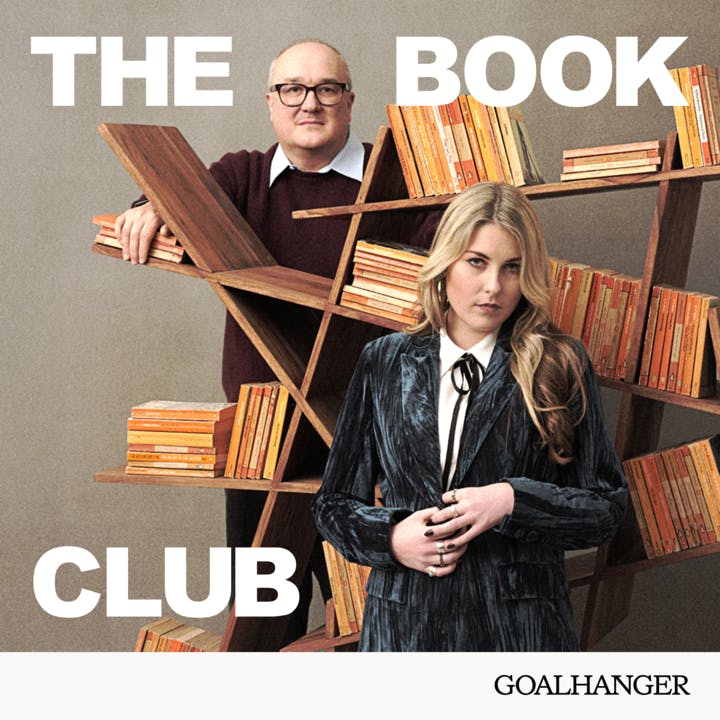
"The Book Club" podcast is designed for two audiences simultaneously. For those who've read the book, it's an enjoyable conversation. For those who haven't, the hosts have "done the reading for you," allowing listeners to appear well-read. This broadens the potential audience beyond just avid readers.
The show structures Saturday's content to analyze the past week and Sunday's to prepare for the week ahead. This format serves the professional audience's psychological need for both closure and preparation, making the show a functional part of their weekend routine rather than just passive entertainment.