Get your free personalized podcast brief
We scan new podcasts and send you the top 5 insights daily.
Freshworks developed an internal AI agent, PRDGD ('PRD Genie'), that lives in the Cursor IDE. It drafts 80% of a PRD by automatically gathering evidence, conducting competitive analysis, analyzing usage metrics from their data lake, and structuring the document, freeing up PM time for strategic work.

Related Insights
AI agents will automate PM tasks like competitive analysis, user feedback synthesis, and PRD writing. This efficiency gain could shift the standard PM-to-developer ratio from 1:6-10 to 1:20-30, allowing PMs to cover a much broader product surface area and focus on higher-level strategy.
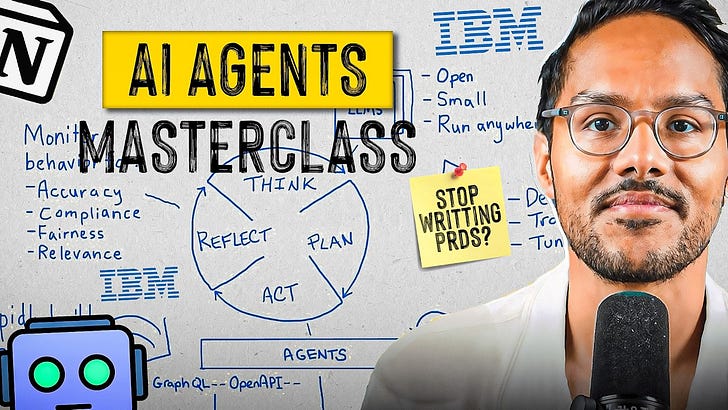
To get superior results from AI coding agents, treat them like human developers by providing a detailed plan. Creating a Product Requirements Document (PRD) upfront leads to a more focused and accurate MVP, saving significant time on debugging and revisions later on.

To ensure quality and strategic fit, Freshworks' automated PRD-writing process includes an AI-powered 'CPO Check.' This agent reviews the generated document for strategic alignment, clarity, and unaddressed edge cases, essentially performing the first-pass review a Chief Product Officer would.
Go beyond just generating documents. PM Dennis Yang uses an AI agent in Cursor to read comments on a Confluence PRD, categorize them by priority, draft responses, and post them on his behalf. This automates the tedious but critical process of acknowledging and incorporating feedback.
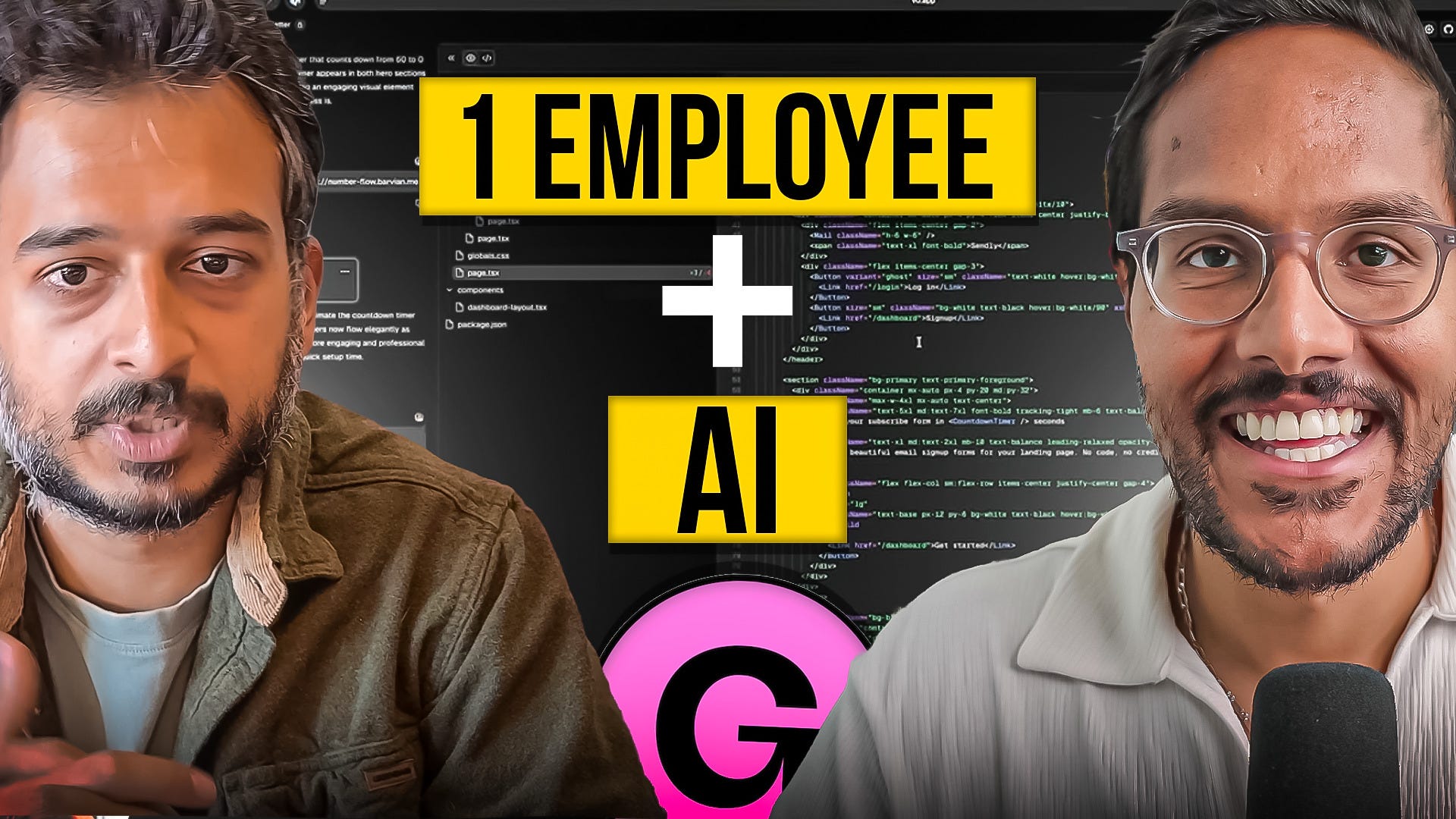
The traditional product workflow—writing PRDs, waiting for mocks, then building a prototype—is being collapsed by agentic tools. A single "Builder PM" can now perform user research, generate PRDs, create functional mocks, and build a working prototype, drastically shortening the feedback loop.
Instead of writing detailed Product Requirement Documents (PRDs), use a brief prompt with an AI tool like Vercel's v0. The generated prototype immediately reveals gaps and unstated assumptions in your thinking, allowing you to refine requirements based on the AI's 'misinterpretations' before creating a clearer final spec.
At OpenAI, a product manager wrote a Product Requirements Document (PRD) in Markdown, which an AI agent then used to produce a fully functional, production-ready feature within a week. This was achieved without any engineers writing code or translating requirements.
Freshworks created a structured AI Product Development Lifecycle (AI PDLC). This isn't just ad-hoc tool usage; it's a governed system with AI agents assisting in discovery, design, QA, and deployment, all drawing from a central knowledge and context hub.
Bypass the common problem where team members agree but envision different outcomes. A product leader can use an AI tool like Claude to turn a PRD into a working prototype. This visual artifact provides perfect clarity, ensuring the entire team is aligned on the exact same vision from day one.

Product Managers at Ramp now write specs with the primary audience being an AI agent. The spec is effectively a prompt, and its output is a working product, not just a document for engineers to interpret. This changes the entire dynamic of product definition from documentation to direct creation.
