Get your free personalized podcast brief
We scan new podcasts and send you the top 5 insights daily.
The traditional product workflow—writing PRDs, waiting for mocks, then building a prototype—is being collapsed by agentic tools. A single "Builder PM" can now perform user research, generate PRDs, create functional mocks, and build a working prototype, drastically shortening the feedback loop.

Related Insights
The traditional workflow (Idea -> PRD -> Alignment) is outdated. Now, PMs first create a functional AI prototype. This visual, interactive artifact is then brought to engineers and scientists for debate, accelerating alignment and making the development process more creative and collaborative from the start.
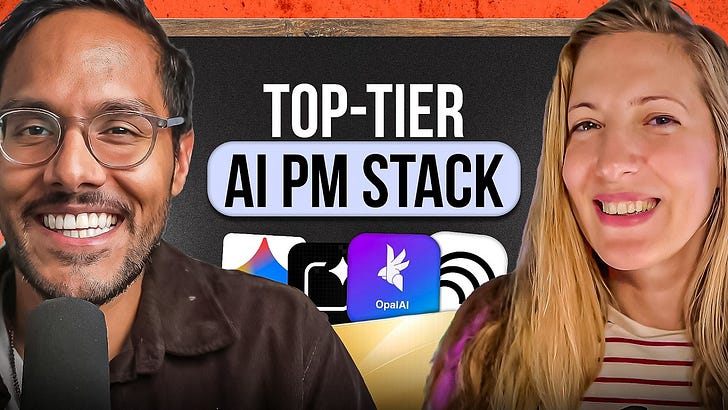
Capable AI coding assistants allow PMs to build and test functional prototypes or "skills" in a single day. This changes the product development philosophy, prioritizing quick validation with users over creating detailed UI mockups and specifications upfront.

The traditional product management workflow (spec -> engineer build) is obsolete. The modern AI PM uses agentic tools to build, test, and iterate on the initial product, handing a working, validated prototype to engineering for productionalization.
![Building a Personal AI Model Map [AI Operators Bonus Episode] thumbnail](https://d3t3ozftmdmh3i.cloudfront.net/staging/podcast_uploaded_nologo/41472609/41472609-1752234663609-8665756a468e5.jpg)
The primary beneficiaries of AI prototyping are not developers, but Product Managers. These tools give PMs a 'get-out-of-no-developers' card, allowing them to independently create functional prototypes for user testing and ideation without waiting for engineering resources.
AI tools like Vibe Coding remove the traditional dependency on design and engineering for prototyping. Product managers without coding expertise can now build and test functional prototypes with customers in hours, drastically accelerating problem-solution fit validation before committing development resources.

AI coding agents compress product development by turning specs directly into code. This transforms the PM's role from a translator between customers and engineers into a "shaper of intent." The key skill becomes defining a problem so clearly that an agent can execute it, making the spec itself the prototype.
Companies are using AI tools like Perplexity Computer to build functional MVPs almost instantly. This cultural shift allows teams to interact with a working version of an idea to gauge its value before investing significant engineering resources, replacing the traditional text-based planning phase.

The product management workflow is evolving from documentation to creation. With AI tools lowering the barrier to build, PMs can now develop and share functional prototypes to communicate ideas and test assumptions, a much higher-fidelity approach than traditional written documents.
The product development cycle has shifted. Instead of writing a spec, Product Managers use AI coding tools like Bolt.new to build the initial working version of a product. They then hand this functional prototype to engineers for hardening, security, and scaling, dramatically accelerating the process.
Dramatically accelerate product development by "tool-hopping": use Perplexity for research, feed results to a custom ChatGPT for a PRD, generate a UI prototype with V0 from the PRD, and create a promotional video with Flow or Sora for stakeholder buy-in.