Get your free personalized podcast brief
We scan new podcasts and send you the top 5 insights daily.
It's rarely the workers who rise up. It is the "overproduced elites"—educated individuals whose high expectations are unmet by their economic reality—who spearhead revolutionary movements fueled by resentment.

Related Insights
As AI automates entry-level white-collar jobs, a growing number of college graduates will face unemployment. This creates what historian Peter Turchin calls 'elite overproduction'—people educated for elite roles with no positions to fill. This disenfranchised group is a prime demographic for socialist movements.
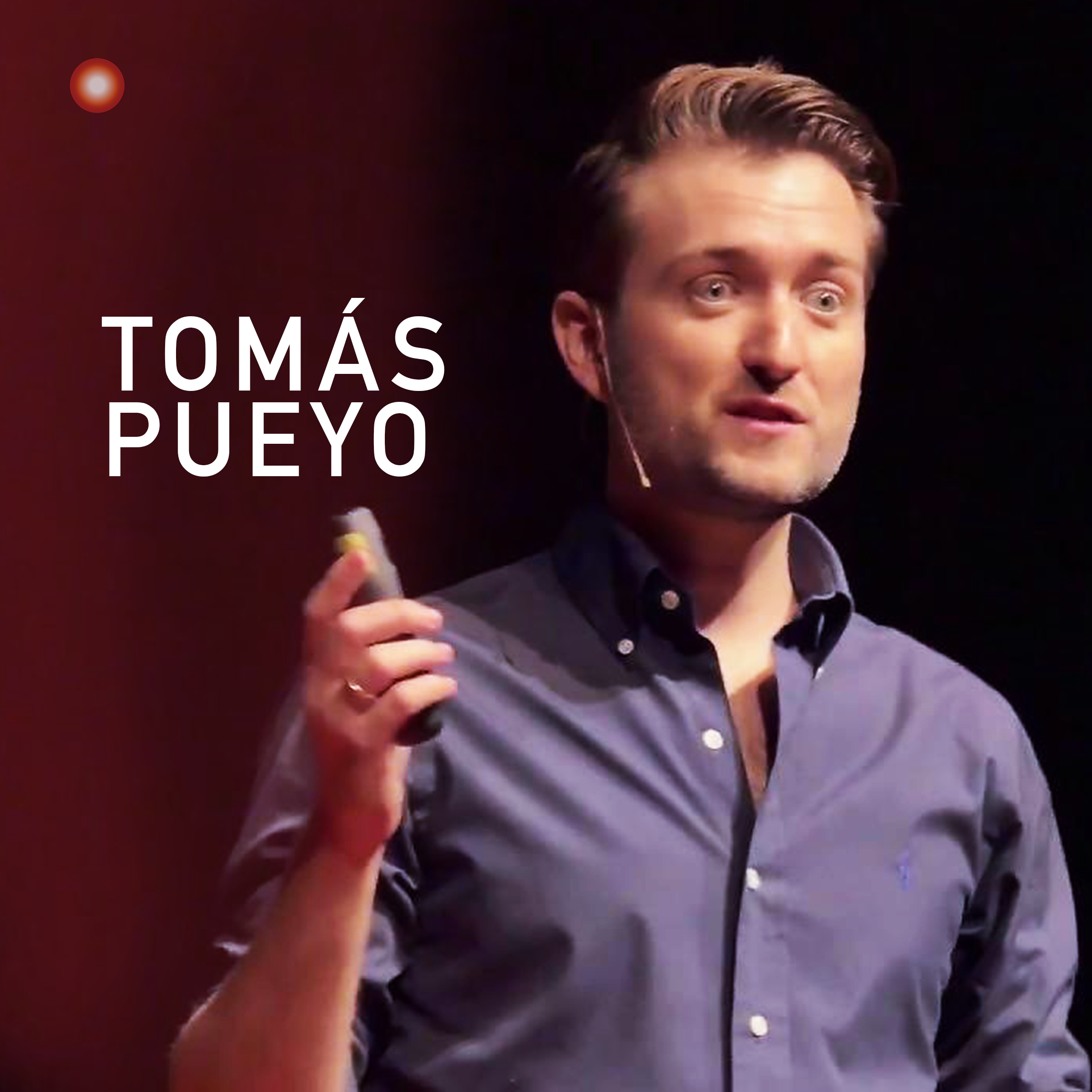
The French Revolution wasn't a workers' uprising but was led by an 'overproduction of elites'—educated individuals who felt entitled to high-status jobs they couldn't get. This suggests social upheaval is often driven by downwardly mobile, educated classes whose expectations are unmet.

History, particularly the French Revolution, shows that when a society reaches a point where the working class cannot afford basic necessities despite their labor, the risk of violent upheaval skyrockets. This reflects a simmering rage against a perceived obscene wealth gap.

When a society produces more highly-educated people than there are elite jobs, this class creates unnecessary bureaucratic roles to sustain itself. This administrative layer becomes a tumor, feeding on the working class and hindering economic productivity under the guise of helping.

Historically, significant shifts in Russia, like the fall of the Soviet Union, are initiated by elites acting in their own self-interest, not by popular uprisings. The current discontent among oligarchs suggests a similar top-down transition could be forming.

The emotional core of modern socialist and communist appeal is resentment. The satisfaction is derived more from the act of confiscating wealth from the successful than from redistributing it to help others. This explains its persistence despite consistent historical and economic failures.

When society pushes more people into higher education for roles the market doesn't demand, it creates "overproduced elites." This leads to a class of resentful, highly-educated but under-employed people—a historical precursor to social and political instability like the French Revolution.
The 'overproduction of elites' theory suggests that societal unrest is driven not by those truly suffering, but by highly educated individuals who feel the system has denied them the power and status they deserve. Their personal frustration, not objective hardship, fuels their desire to dismantle the establishment.
When society produces more highly-educated graduates than there are suitable jobs, a large group emerges whose high expectations are unmet. This "elite overproduction" creates a sense of grievance and entitlement, making them receptive to socialist ideas that promise to rectify perceived injustices.

History demonstrates a direct, causal link between widening inequality and violent societal collapse. When a large portion of the population finds the system unbearable, it leads to events like the French Revolution—a blunt cause-and-effect relationship often sanitized in modern discourse.
