Get your free personalized podcast brief
We scan new podcasts and send you the top 5 insights daily.
While the era of powerful, personality-driven magazine editors has faded, the model itself persists. It has simply migrated to the tech industry, where founders like Elon Musk command a similar level of reverence and fear, becoming the new focal point for this leadership style.

Related Insights
The tech industry's hero-worship culture, particularly around the genius founder or 10X engineer, creates an ecosystem where a leader's single success is mythologized. This encourages them to overstep their actual expertise into other domains without challenge.

Despite the immense success of Elon Musk and Jensen Huang, their unique management styles—like Huang's 60 direct reports or Musk's "algorithm"—are not being replicated by the new generation of top CEOs. These founders are not seeking a specific hero to emulate; they are instead creating their own distinct leadership models from scratch.

While one might hope to build a successful hardware company without being 'uncompromisingly demanding,' experience suggests otherwise. People are capable of far more than they believe, but almost always require extrinsic motivation. This tough leadership style appears necessary for succeeding in competitive hardware manufacturing.
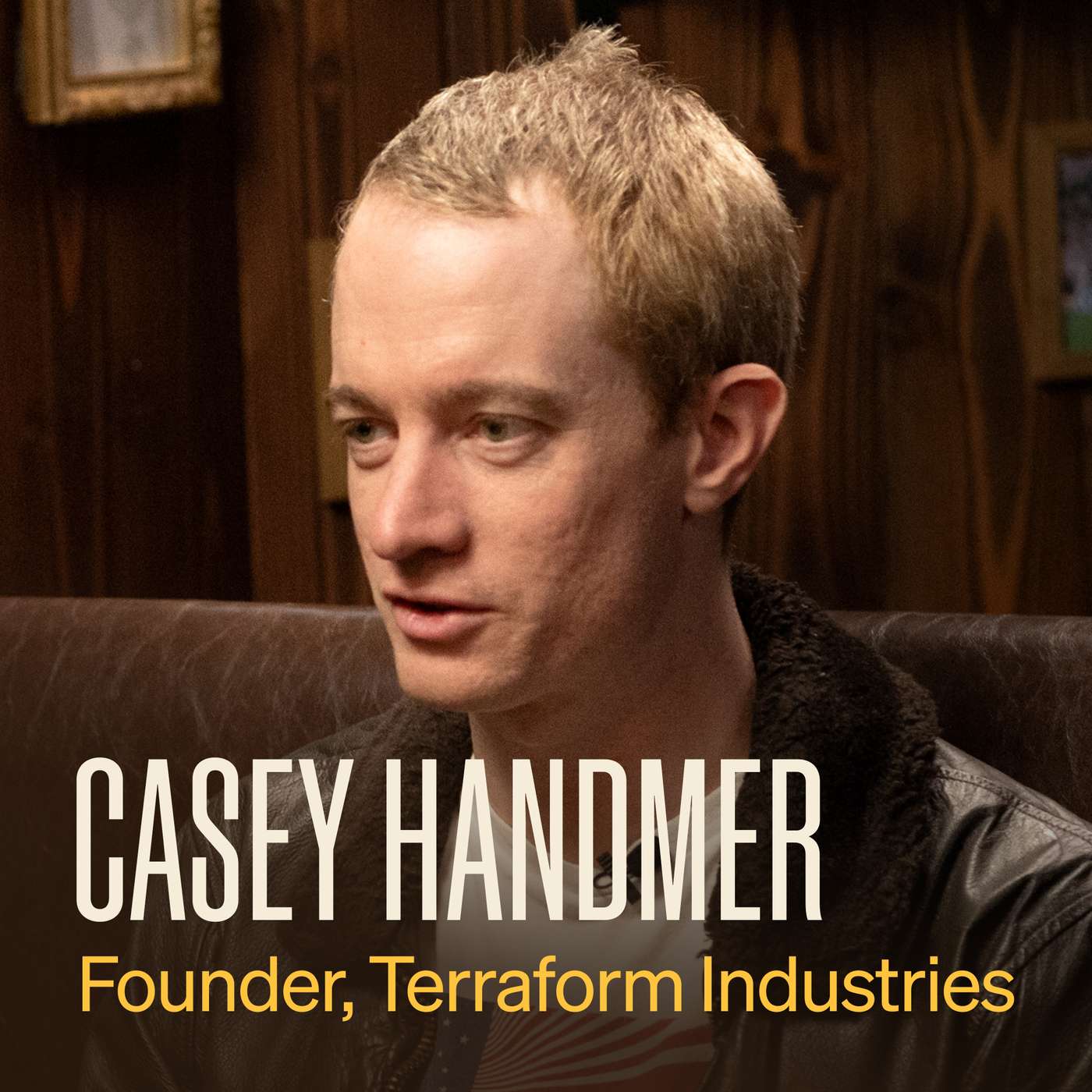
A successful startup often resembles a cult, requiring a leader who communicates their vision with unwavering, first-person conviction. Hiding the founder behind polished PR spokespeople is a mistake; it neuters the contagious belief required to recruit talent and build a movement against impossible odds.

Ryan Holiday uses Elon Musk as a case study for how genius can curdle. When a brilliant leader stops receiving challenging external inputs, surrounds themselves with sycophants, and starts to believe their own hype, their decision-making faculties degrade, leading to poor outcomes and a loss of wisdom.

Roughly 80% of a company's culture is a direct extension of its founder's personality. Facebook reflects Mark Zuckerberg's hacker mindset; Google reflects its founders' academic roots. As a leader, your role isn't to change the culture but to articulate it and build systems that scale the founder's natural way of operating.
Musk's success stems from his unique ability to attract hyper-intelligent, maniacally driven individuals. These people are drawn to his high-stakes, high-pressure environment, choosing to "burn out under Musk" rather than be bored elsewhere, creating an unparalleled human capital advantage.

The marketing playbook has shifted from promoting products to promoting the personality behind them (e.g., Tesla is Elon Musk). A company without a founder or CEO who can act as a public "character" struggles to gain traction, as corporate messaging accounts are no longer effective in a noisy media environment.
The nature of marketing has shifted from promoting a faceless corporation to showcasing an authentic founder personality. Companies without an interesting character at the helm are at a disadvantage. This requires leaders to be public figures, as their personal brand, story, and voice are now integral to the company's identity and success.

Brian Halligan, HubSpot's longtime CEO, observes that the established rules for corporate leadership are obsolete. He cites unconventional leaders like Elon Musk, Nvidia's Jensen Huang (with 60 direct reports), and Airbnb's Brian Chesky as examples of innovators who are successfully rethinking company management from scratch.
