Get your free personalized podcast brief
We scan new podcasts and send you the top 5 insights daily.
The most significant challenge in building a Sanskrit GPT wasn't coding the transformer model but extracting clean text from PDFs. Issues like scanned images, legacy fonts, and encoding errors required more time than the AI development itself, showing that high-quality data sourcing is the primary obstacle and competitive moat.

Related Insights
A major hurdle for AI adoption is poor data quality and structure. Data is often scattered across Word files, spreadsheets, and presentations. The process of centralizing and cleaning this data into a reliable, "gold" standard is far more challenging and time-consuming than most firms anticipate.

Large, off-the-shelf multilingual models are often poor at less-common languages like Sanskrit due to data scarcity and improper tokenization. A smaller, focused team can outperform them by carefully curating a high-quality corpus, making domain-specific 'care' the key differentiator over raw computing power.
With powerful LLMs, reasoning, and inference becoming commoditized, the key differentiator for AI-powered products is no longer the model itself. The most critical factor for success is the quality of the underlying data. Unifying, protecting, and ensuring the accessibility of high-quality data is the primary challenge.

For companies with years of unstructured legacy data like PDFs and contracts, implementing semantic search is a strategic shortcut. This approach avoids a massive, costly data-cleaning project by allowing valuable information to be extracted and utilized for AI features directly from its messy source format.

For complex enterprise tasks, the latest AI models are often intelligent enough. The true challenge is the 'context gap'—engineering systems that can absorb, clean, and understand the vast, messy, domain-specific context of a single client, like 25 years of financial documents, to apply that intelligence effectively.

For years, access to compute was the primary bottleneck in AI development. Now, as public web data is largely exhausted, the limiting factor is access to high-quality, proprietary data from enterprises and human experts. This shifts the focus from building massive infrastructure to forming data partnerships and expertise.

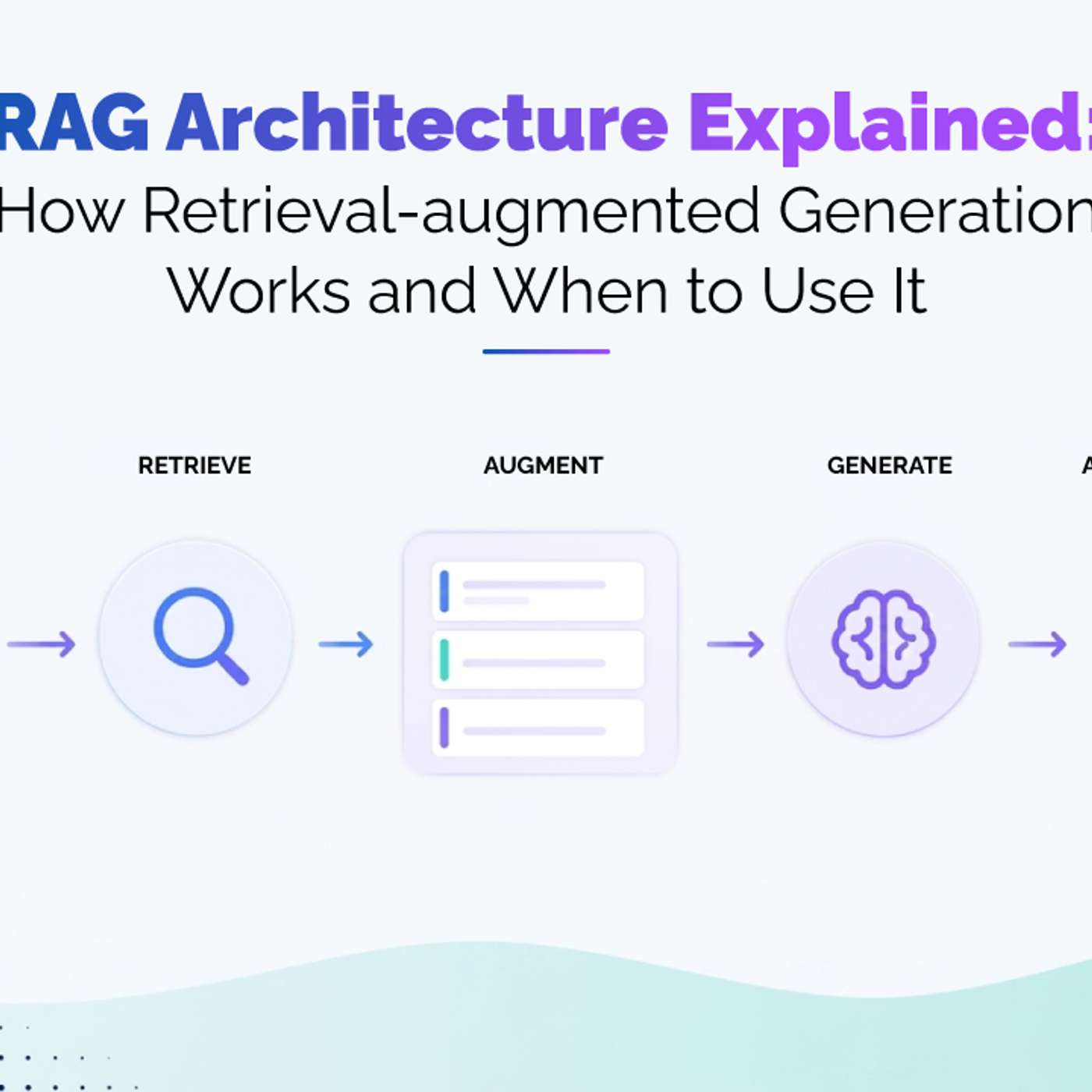
Most production RAG systems fail not because of the LLM or prompt, but due to poor document parsing, chunking, and indexing. Teams mistakenly debug the generation layer when the foundational data processing is the true root cause of poor performance.
Anthropic maintains a competitive edge by physically acquiring and digitizing thousands of old books, creating a massive, proprietary dataset of high-quality text. This multi-year effort to build a unique data library is difficult to replicate and may contribute to the distinct quality of its Claude models.

The primary obstacle for Fortune 500 companies adopting AI isn't a lack of good models, but their disorganized data. Decades of fragmented systems mean agents can't reliably find the right information, creating a massive, decade-long data cleanup and consolidation opportunity for services firms.

Teams often try to fix data extraction errors by adding complex instructions to prompts. This fails because the root cause is a structural data engineering problem, not a semantic one. The LLM receives scrambled text tokens before it can even process the prompt's instructions, making the effort futile.