Get your free personalized podcast brief
We scan new podcasts and send you the top 5 insights daily.
Successful founders often exhibit a paradoxical blend of traits. They need the arrogance to believe they can disrupt incumbents. Simultaneously, they require the humility to do unglamorous, hands-on work—like personally delivering 1,000 packages—to deeply understand the problem they are solving.

Related Insights
The job of an early founder isn't to be right, but to discover the truth about the market. This requires shipping imperfect products quickly to test assumptions, gathering harsh feedback, and being humble enough to accept when you are wrong.

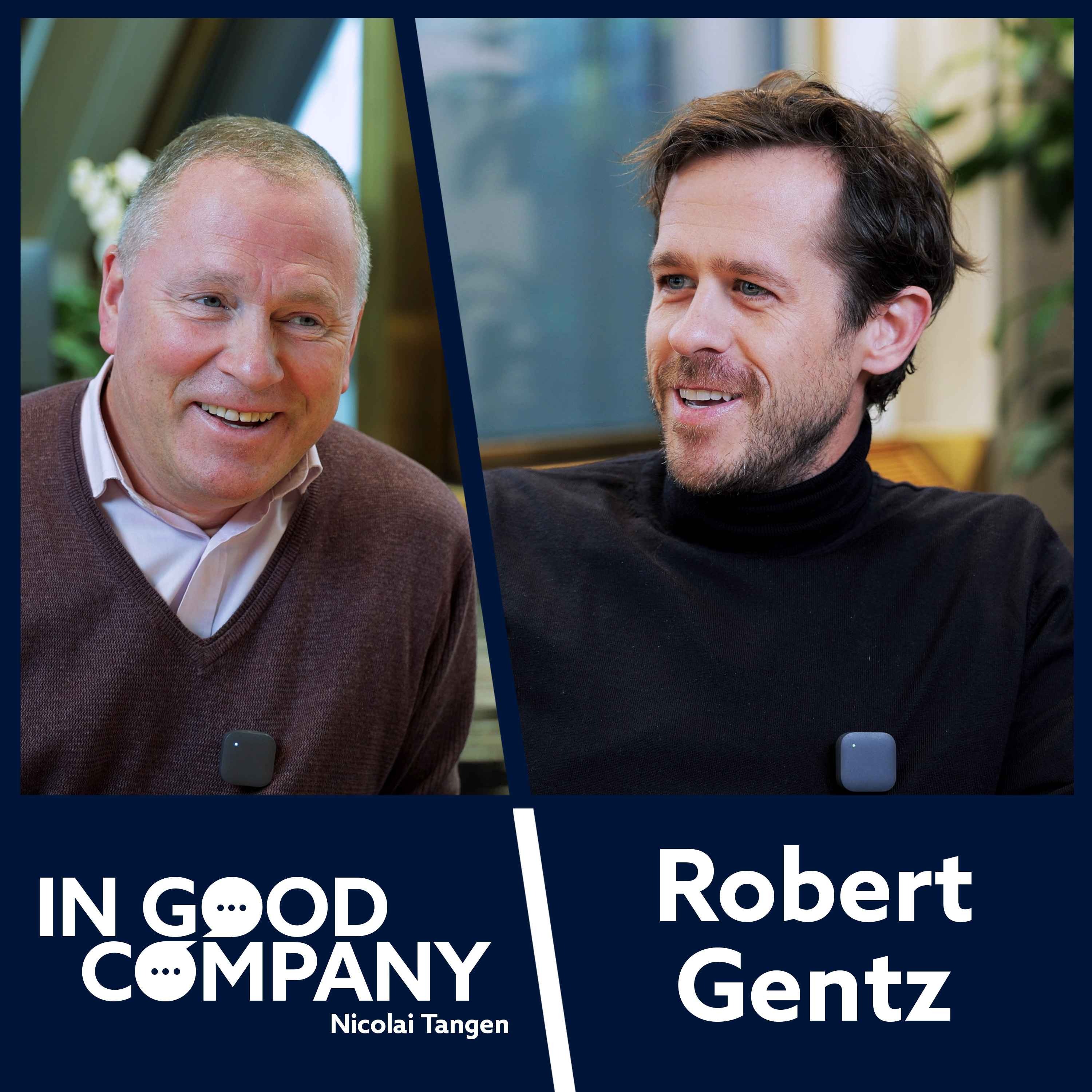
After 17 years, Zalando's co-founder believes the key traits for founders are curiosity and humility. Curiosity enables learning from everyone and making good decisions, while humility ensures respect for challenges and prevents overconfidence from past successes.
High-level strategies and personality traits are important, but success often hinges on a simple willingness to do the hard, unglamorous work required. This "grind" mentality, often learned early in life, is the engine that powers an entrepreneur through inevitable challenges, especially when motivation wanes.

The entrepreneurial journey is a paradox. You must be delusional enough to believe you can succeed where others have failed. Simultaneously, you must be humble enough to accept being "punched in the face" by daily mistakes and bad decisions without losing momentum.

Breakout success requires both a high-level strategic insight and a willingness to handle the smallest details. The board game billionaire had a unique vision (games should make players fun) and paired it with the scrappiness of restocking shelves himself. One without the other is ineffective.

A founder must simultaneously project unwavering confidence to rally teams and investors, while privately remaining open to any evidence that they are completely wrong. This conflicting mindset is essential for navigating the uncertainty of building a startup.

Zalando's co-founder, Robert Gentz, believes curiosity and humility are the most critical leadership traits. Curiosity enables learning from everyone to make better decisions. Humility ensures a founder respects upcoming challenges and acknowledges that past success does not guarantee future victories, which is vital for long-term navigation.

Beyond table stakes like hunger and vision, the most successful founders exhibit deep empathy ("people gene"), curiosity, and high emotional intelligence. They are secure, know their weaknesses, and often have a background in team sports, understanding that company building is a team effort.

Successful founders passionately defend their vision while simultaneously processing tough questions without defensiveness. This balance allows them to navigate the 'idea maze' effectively, learning and adapting as they go.

Dell argues that to take on giants like IBM, you need extreme self-belief and, crucially, naivete—not knowing enough to believe it's impossible. This combination allows founders to ignore conventional wisdom that paralyzes incumbents and invent entirely new approaches.
