Get your free personalized podcast brief
We scan new podcasts and send you the top 5 insights daily.
AI's speed and low operational cost make the price of creating variations—whether for email subject lines, ad campaigns, or entire website interfaces—almost zero. This fundamentally alters the creative process, allowing for mass customization and rapid, extensive testing that was previously impossible.

Related Insights
With AI workflows generating thousands of creative variations in minutes, the primary job is no longer the manual act of creation. The critical skill becomes curation: building the right automated systems upfront and then strategically selecting winning assets from a massive pool of options.

Traditionally, creating variations of creative assets like ads or designs required significant time and cost. With AI, generating countless alternatives is nearly free. This allows marketers and creators to iterate endlessly on a promising idea, moving from "give me 5 options" to "give me 5 more based on this best one" repeatedly.
As AI democratizes ad creation, the key differentiator is no longer production capability. Instead, marketers who excel at creative prompting and use AI to maximize the speed of testing and learning will gain a significant competitive edge.
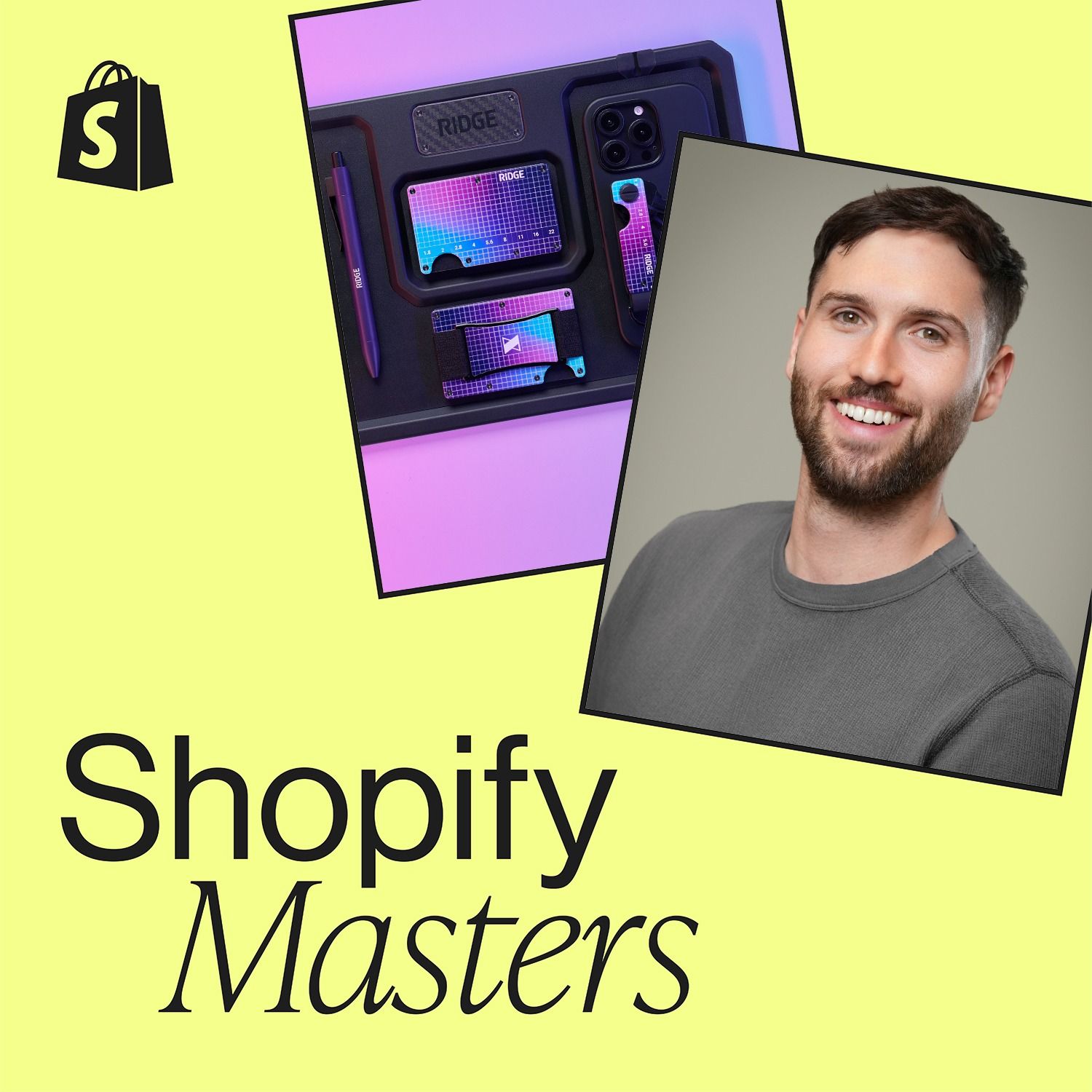
Ridge automates ad creation using a custom GPT and N8N, producing 500 static ads daily. Even if 90% are unusable, the remaining 50 ads provide a constant stream of testable creative, increasing the chances of finding winning variants for personalized campaigns at scale.
While large enterprises remain cautious about ceding creative control to AI, small and mid-sized businesses see a breakthrough. AI overcomes the economic barriers to content production, enabling them to execute personalization and campaigns at a scale that was previously out of reach.

AI agents can continuously experiment with variables like subject lines, send times, and offers for each individual user. This level of granular, ongoing A/B testing is impossible to manage manually, unlocking significant performance lifts that compound over time.
While AI image models create high-fidelity ads, generating variations is costly. A cheaper, faster approach is building ad templates as code (e.g., React components). This allows for creating thousands of text and layout variations for free, enabling rapid testing of messaging before investing in polished visuals.
![Claude Code marketing masterclass [from idea to making $$] thumbnail](https://assets.flightcast.com/workspaces/vde7jbg9rfhsyiw9o46f9sj8/podcasts/ordbkg8yojpehffas7vr7qpc/t8c97hs8oy7a2xnobsfu5p42.jpg)
The common view of AI is to increase efficiency or replace headcount. A more powerful approach is to maintain your team and leverage AI for abundance. Use it to triple your output, running five marketing campaigns instead of one and exploring numerous variations to dramatically increase growth.
The true power of AI agents lies in creating a recursive feedback loop. By ingesting ad performance data, they can autonomously analyze what works, iterate on creative, and launch new versions, far outpacing human-led optimization cycles.
AI tools can drastically increase the volume of initial creative explorations, moving from 3 directions to 10 or more. The designer's role then shifts from pure creation to expert curation, using their taste to edit AI outputs into winning concepts.