Get your free personalized podcast brief
We scan new podcasts and send you the top 5 insights daily.
While AI image models create high-fidelity ads, generating variations is costly. A cheaper, faster approach is building ad templates as code (e.g., React components). This allows for creating thousands of text and layout variations for free, enabling rapid testing of messaging before investing in polished visuals.
![Claude Code marketing masterclass [from idea to making $$] thumbnail](https://assets.flightcast.com/workspaces/vde7jbg9rfhsyiw9o46f9sj8/podcasts/ordbkg8yojpehffas7vr7qpc/t8c97hs8oy7a2xnobsfu5p42.jpg)
Related Insights
Stop spending money to test ads. Instead, publish a high volume of organic social content and identify what naturally gains traction. Then, convert only those proven, high-performing pieces into paid ads. This model dramatically lowers customer acquisition costs by ensuring ad spend only scales winners.

The traditional "test and learn" mantra is flawed because teams often start with a weak set of creative variants. By using predictive AI to generate a diverse but pre-vetted, high-performance set of options, marketers can ensure their tests are more meaningful and aren't just optimizing a bad strategy.
Tools like Remotion, integrated into AI environments like Claude Code, allow for the programmatic creation of video ads. This eliminates the need for complex video editing software, enabling rapid generation and testing of numerous ad variations directly from the terminal.
Traditionally, creating variations of creative assets like ads or designs required significant time and cost. With AI, generating countless alternatives is nearly free. This allows marketers and creators to iterate endlessly on a promising idea, moving from "give me 5 options" to "give me 5 more based on this best one" repeatedly.

An AI-generated image is no longer a final product. It's the starting point that can be branched into countless other formats: videos, 3D assets, GIFs, text descriptions, or even code. This 'infinite branching' approach transforms a single creative idea into a full-fledged, multi-format campaign.

As AI democratizes ad creation, the key differentiator is no longer production capability. Instead, marketers who excel at creative prompting and use AI to maximize the speed of testing and learning will gain a significant competitive edge.
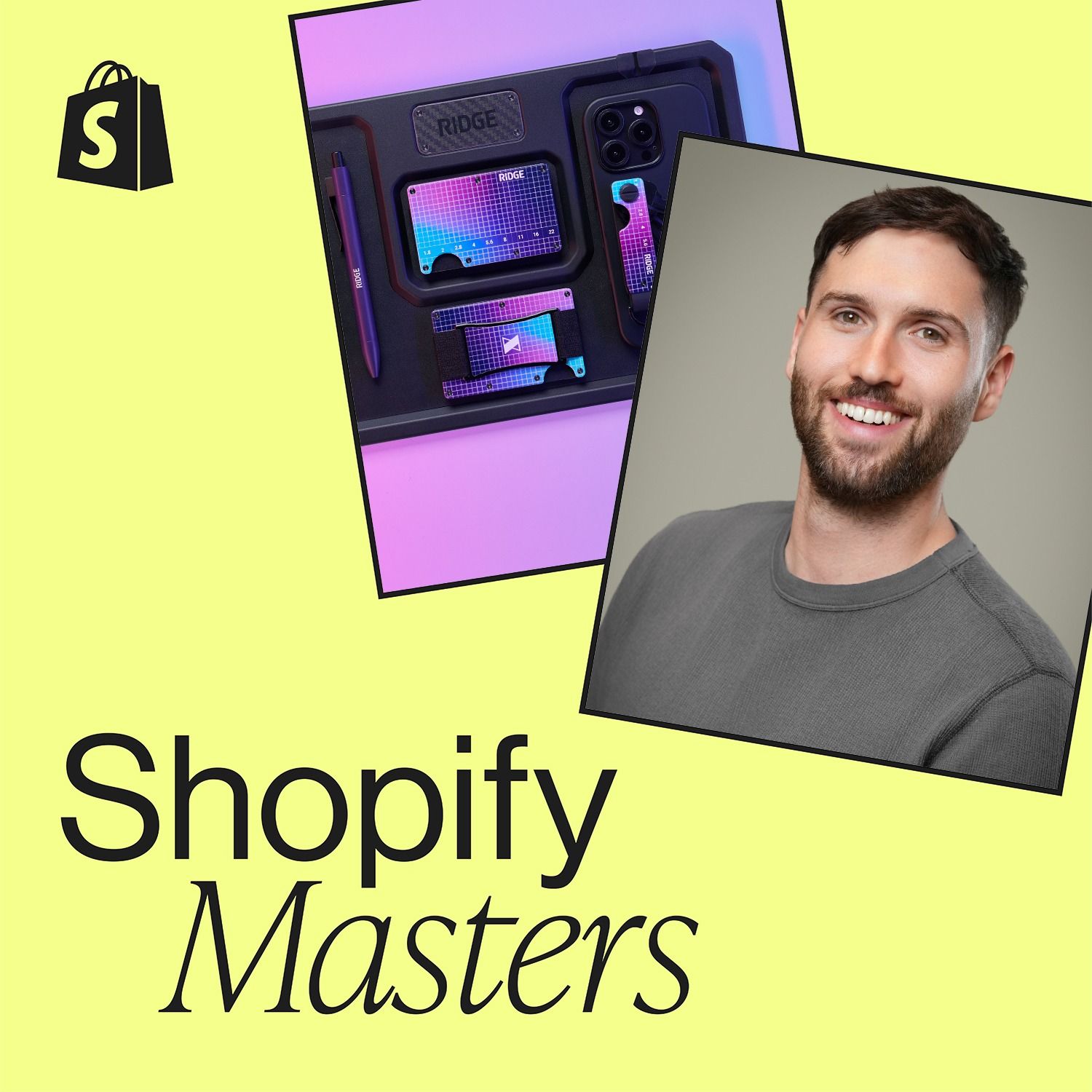
Ridge automates ad creation using a custom GPT and N8N, producing 500 static ads daily. Even if 90% are unusable, the remaining 50 ads provide a constant stream of testable creative, increasing the chances of finding winning variants for personalized campaigns at scale.
Instead of testing individual ad variations, advertisers can use the "Dynamic Creative" (for leads) or "Flexible Creative" (for sales) toggles. This allows combining multiple top-performing images, videos, headlines, and text into a single ad unit, which Meta’s algorithm then mixes and matches to find the optimal combination for different users.

Instead of creating bespoke layouts for every campaign, brands should systemize their core visual structures. By keeping the layout consistent while refreshing imagery, headlines, and offers, companies can dramatically accelerate content production across all channels, reduce costs, and ensure brand and regulatory compliance.
Don't assume TV advertising requires expensive, high-production creative. Brands can de-risk their TV investment by using lo-fi, UGC-style creative that has already proven effective on social media. This approach lowers the barrier to entry, allowing for faster testing and learning.
