Get your free personalized podcast brief
We scan new podcasts and send you the top 5 insights daily.
Daniel Scharf wasn't trying to build a business. He felt like a "nobody" in the industry and simply wanted to meet peers and get invited to events. This authentic, personal need was the foundation for a community that resonated with thousands of others feeling the same way.

Related Insights
To get the support needed for success, Nathan and several founder friends formed a private accountability group. They share an office, talk through business challenges, and provide emotional support, proving that community can be a deliberate creation.

Daniel Scharf didn't intend to build a media company. He started with informal bar meetups for CPG professionals, which organically grew into a multi-platform media entity including a Slack community, podcast, and dozens of events.
The global "Copywriters Unite" community grew successfully by rejecting formal structures. Simple, recurring pub meetups with no tickets, speakers, or agenda create a low-pressure environment where authentic connections form easily around a shared professional identity.

Faberge's networking company didn't start with a business plan but from her own experience with unemployment. Her initial goal was to address the "hidden job market" by building bridges between senior and junior professionals, a personal vocation that became a business concept.

If you don't have an industry or idea, don't start with product brainstorming. Start by identifying groups of people you'd genuinely enjoy serving. The foundation of a sustainable business is a founder's deep connection to their customer, which provides motivation to solve their problems.

The value of a founder community extends far beyond combating loneliness. It acts as a powerful growth multiplier by fostering an environment of "friendly competition," where one founder's success motivates others. More importantly, it allows for collective learning, enabling members to avoid common mistakes and accelerate their progress by sharing what works in real-time.

Birdies founder Bianca Gates argues that real community isn't a marketing tactic. It emerges organically from a founder's genuine need for help, leveraging personal networks for everything from feedback to early sales. This desperation creates authentic early evangelists.

Lacking industry experience, the founders tapped their university network, which they note "breeds" CPG founders. Connections to other alumni founders gave them a roadmap and introductions to essential operational consultants, dramatically accelerating their go-to-market timeline.

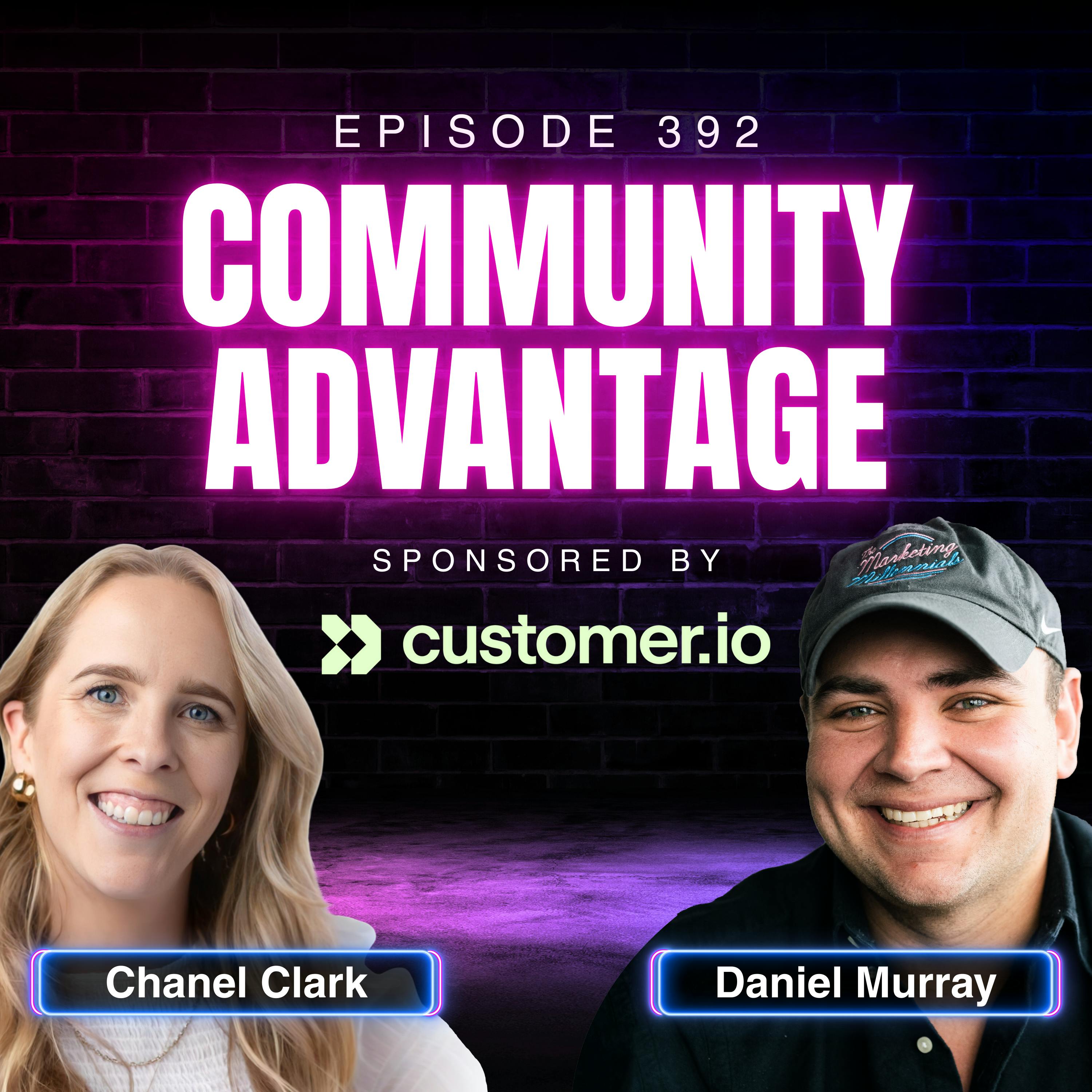
The Marketing Club (TMC) began not from a business plan, but from founder Chanel Clark's personal need as a solo marketer. A single, innocent LinkedIn post asking to connect with peers unexpectedly went viral, proving that organic, problem-led community origins are highly effective.
While scaling with a corporate brand seems safer, it's less effective for smaller businesses. In the current digital landscape, humans connect with humans. A founder's personal brand is a unique differentiator that will attract clients and build community faster than a generic company logo.
