Get your free personalized podcast brief
We scan new podcasts and send you the top 5 insights daily.
The popularity of extremist groups like Hamas is inversely correlated with the viability of a peace process. During periods when a two-state solution seemed possible, support for Hamas declined. When hope for a political resolution collapses, extremism surges as people turn to violence as their only perceived option.

Related Insights
The Israeli withdrawal from Gaza, without Hamas being disarmed or an international force in place, creates a space for violent clashes. Hamas, armed gangs, and powerful clans are already competing for control, illustrating a critical risk in phased peace plans where security is not transferred seamlessly.
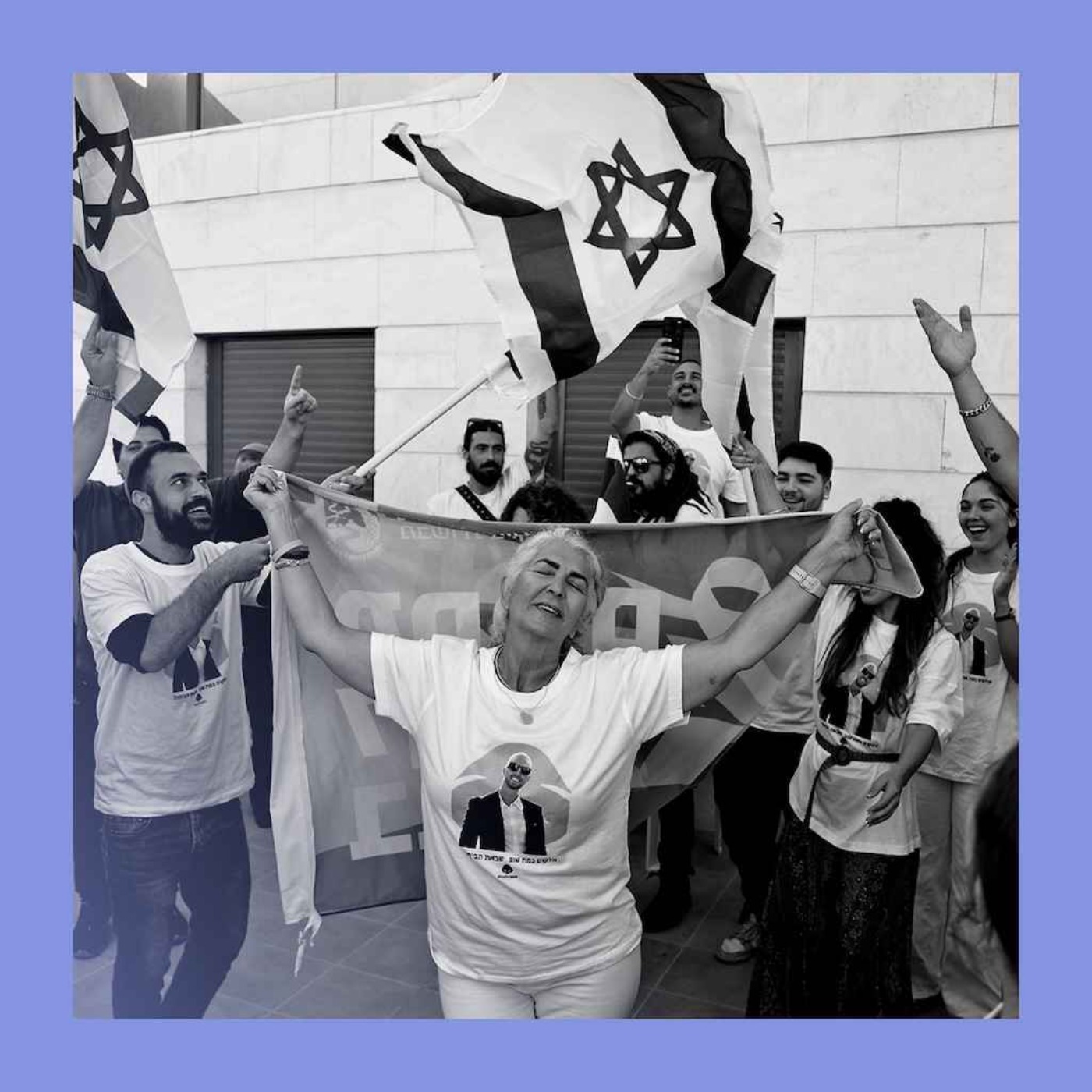
Political violence and extreme polarization are symptoms of deeper economic anxieties. When people feel economically insecure, they retreat into tribal identities and become susceptible to narratives of anger, which can escalate into violence.

Hope is framed not as a sentiment, but as a core political strategy. If voters believe improvement is possible, they will vote for change. Conversely, if convinced that things are hopeless and will never improve, they are more likely to stick with the status quo, benefiting the incumbent party by default.

Rather than a peace deal, the Abraham Accords signaled to Palestinians that their cause was being permanently sidelined by the Arab world. This removal of hope for a future state, guest Dave Smith argues, created the desperation that set the stage for violent outbreaks like October 7.
After decades covering the region, Jeffrey Goldberg now identifies with the "fatalist, realist camp." He believes all parties—from Netanyahu's government to Hamas—have "screwed this up beyond measure," making traditional solutions seem impossible and moving him ideologically to Israel's center-left.

The inability for young people to afford assets like housing creates massive inequality and fear. This economic desperation makes them susceptible to populist leaders who redirect their anger towards political opponents, ultimately sparking violence.

Viewing the conflict as two rational sides in a misunderstanding is flawed. Both sides see the other as an existential threat and are willing to use extreme violence to achieve their goals. This reframes the narrative from a political dispute to a primal, violent tribal conflict where both sides see themselves as righteous.

The viability of a two-state solution depends entirely on the nature of the new Palestinian government. A state cannot achieve stability if it is run by a terrorist organization like Hamas. The international community's push for statehood is meaningless without addressing the internal governance that perpetuates violence.

In times of extreme polarization, the political middle is not a safe haven but a kill zone. Moderates are targeted by both sides because they have no tribe to defend them. The escalating cost of neutrality forces everyone to pick a side, eliminating compromise and accelerating conflict.
The Israel-Palestine conflict is often framed as a religious clash, but its root is the political reality of military occupation. The Palestinian response is a predictable human reaction to subjugation, similar to the Irish resisting the British, not a unique feature of their religion.