Get your free personalized podcast brief
We scan new podcasts and send you the top 5 insights daily.
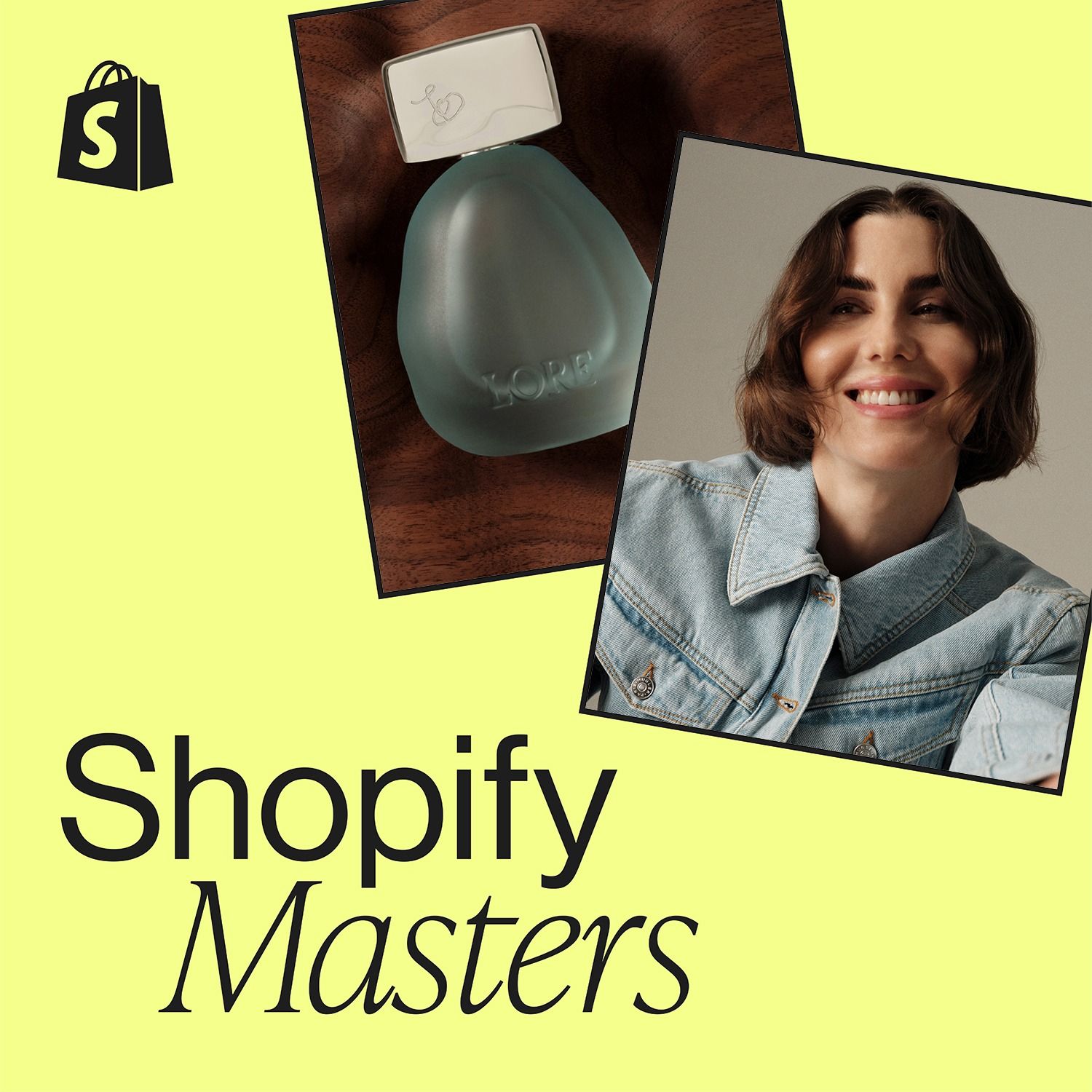
Lore's founder argues true luxury is communicated through an obsessive focus on perfecting every element, not through price. This commitment—from iterating on bottle designs 50 times to traveling to perfect glass molds—is what creates a premium, hard-to-mimic experience.
Related Insights
To build an enduring company, ensure every customer interaction—from packaging tape to email pop-ups—reflects the quality of a major brand. This consistency across all touchpoints is what separates long-lasting brands from those that fade away after a short trend cycle.

Jony Ive believed the decisive factor in great design is 'fanatical care' for details most people don't consciously notice but can feel. This includes crafting 50 models of a single button. This obsession with the non-obvious is what creates a product's emotive, intangible quality and signals a deep respect for the user.

A bespoke tailor is expected to provide luxury service; it's table stakes. However, a tire shop or contractor that delivers the same level of care and proactivity creates a far more powerful differentiator because it shatters customer expectations, driving powerful word-of-mouth.

For a century, Rolls Royce refused to state its cars' horsepower, simply calling it 'sufficient.' This masterful branding strategy elevated the company above competitors arguing over specs. It demonstrated that true luxury is about assumed excellence and mystique, not quantifiable data, reinforcing the idea that 'where there is mystery, there is margin.'

An engineering mindset prizes efficiency, but humanity prizes soulfulness. The most desirable experiences—from cuisine to travel—are deliberately inefficient. Building a beloved brand requires embracing this paradox and understanding that emotional connection is built on non-utilitarian details.
Figma's Chief Design Officer, Loredana Crisan, defines taste not as an innate gift, but as a byproduct of intense care and effort. It's the visible result of anticipating needs and considering every detail, much like hosting a perfect party. This embodied intuition is developed through countless hours of practice.

In true luxury, a brand's ability to evoke emotion and dreams should be so compelling that price becomes secondary. If a customer focuses on the cost, it signifies a failure to create sufficient desire, resulting in a transactional, rather than emotional, relationship.

Most companies complete the first 80% of brand work (logo, colors, tagline). Truly great brands are defined by the last 20%: obsessively aligning every detail, from employee headphones to event swag, with the core identity. This final polish is what customers actually notice and remember.

In luxury, the goal is to create such a powerful emotional connection and desire that the price becomes irrelevant. Focusing on the dream, passion, and experience should make the customer so happy they purchase without questioning the cost. The conversation should never be about the price tag.
In a market obsessed with speed and instant gratification, luxury brand Zania positions slowness as the ultimate premium. Their made-to-measure suits take weeks, signaling craftsmanship and exclusivity. Time itself becomes the luxury product being sold.