Get your free personalized podcast brief
We scan new podcasts and send you the top 5 insights daily.
Instead of creating a product and then seeking an audience, Drew Scott first built a dedicated YouTube community. He then developed his product line based on direct feedback and observing what his audience responded to in his content, ensuring built-in demand.

Related Insights
Punch Up first provided a tool for email collection, offering immediate, low-risk utility to comedians. This attracted creators without an existing audience. The network was built only after this utility was established, proving the 'come for the tools, stay for the network' strategy.

Successful startups tap into organic customer needs that already exist—a 'pull' from the market. In contrast, 'conjuring demand' involves a founder trying to convince a market of a new worldview without prior evidence. This is a much harder and less reliable path to building a business.

Drew Scott abandoned his money-making men's fashion channel because his one-off DIY home videos received exponentially more views. This data-driven pivot, despite targeting a completely different audience demographic, was crucial for unlocking massive growth.
Reverse the traditional startup model by first building an audience with compelling content. Then, nurture that audience into a community. Finally, develop a product that solves the community's specific, identified needs. This framework significantly increases the probability of finding product-market fit.

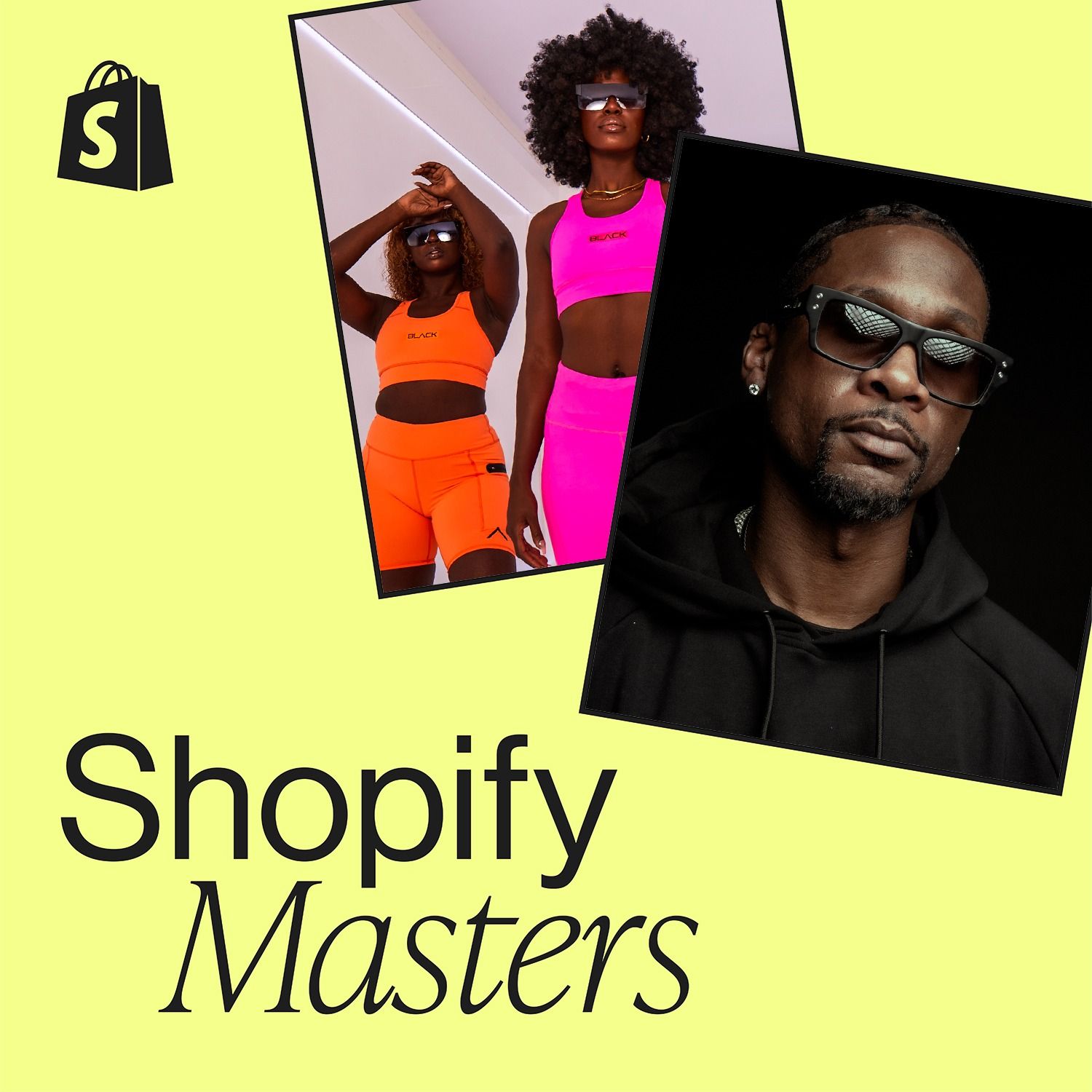
Instead of leading with a product, founder Lanny Smith focused on building a community around Actively Black's mission of Black ownership and representation. This generated a massive, engaged audience ready to buy on day one, reverse-engineering the typical product-first launch strategy.
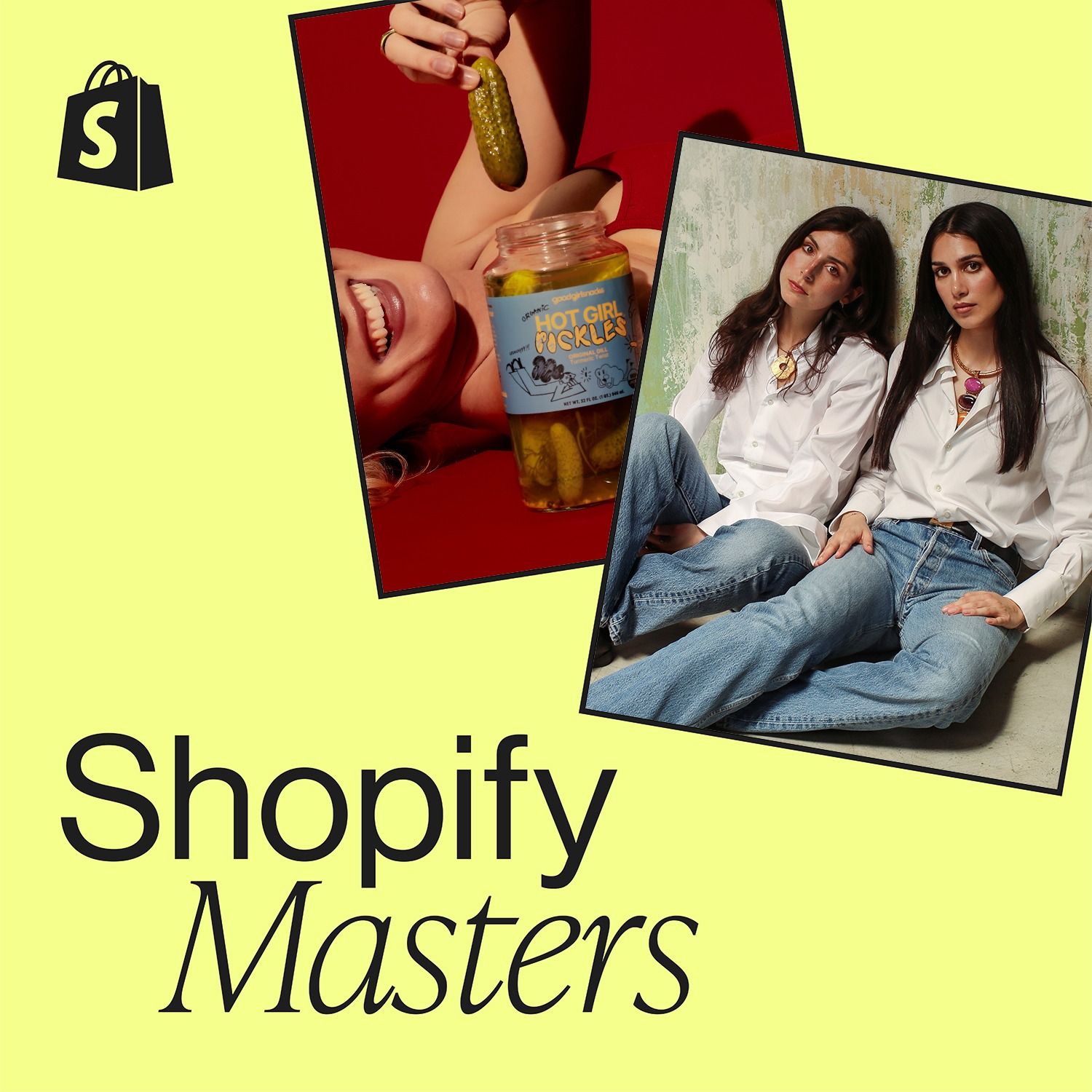
The founders started a TikTok series documenting their journey of quitting corporate jobs to start a pickle company months before launch. They sold their story as a "TV show," attracting a loyal following invested in them as people, not just a product.
In the early stages, the primary benefit of producing a dozen videos a week isn't just marketing; it's accelerated learning. This high volume of output generates rapid feedback, allowing founders to quickly discover which pain points, use cases, and messaging angles truly resonate with their audience.

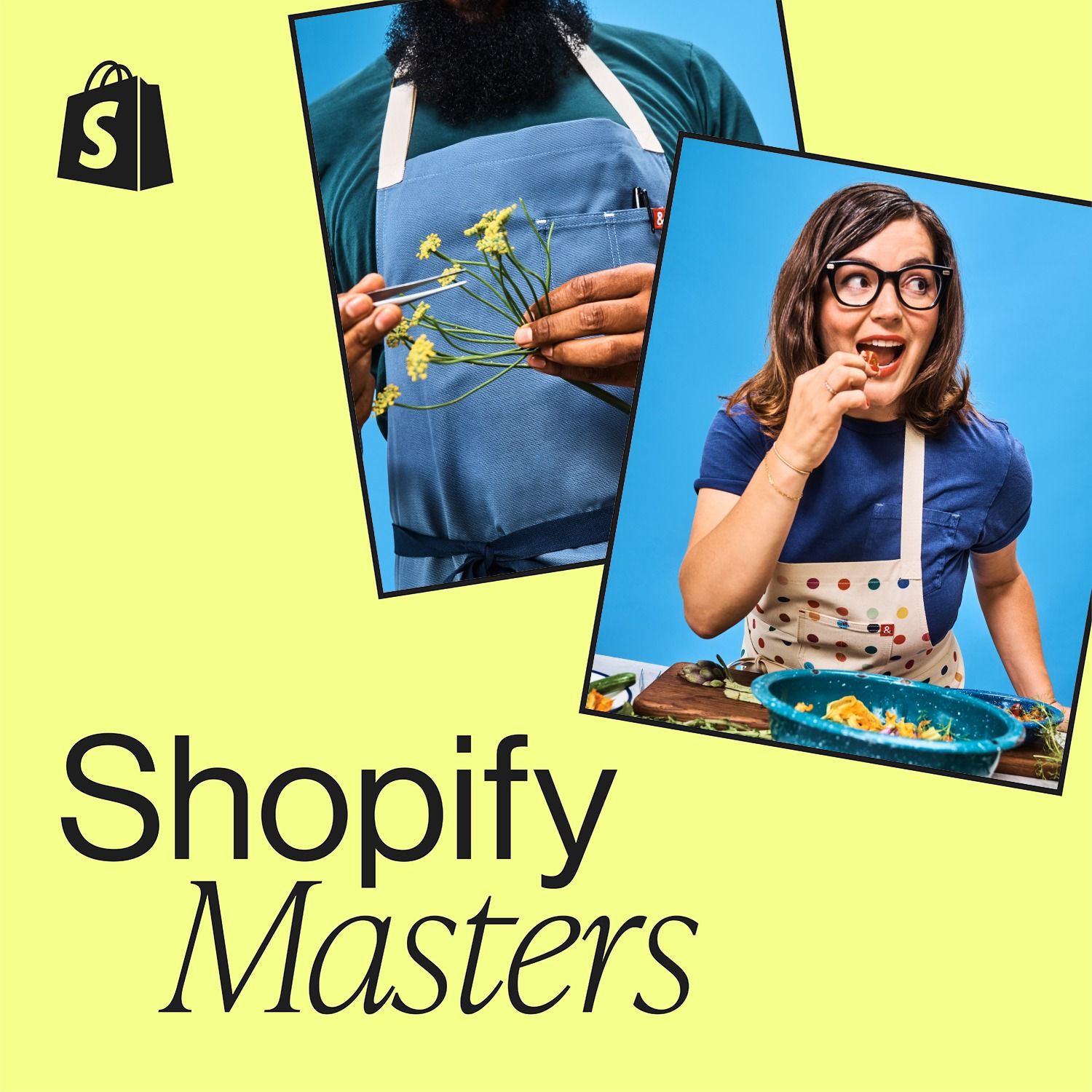
Hedley & Bennett founder Ellen Bennett, a line cook herself, used top chefs as a real-time focus group. By asking her target audience directly what was wrong with existing products and what they needed, she gathered all the building blocks to create a superior product without formal R&D.
When faced with overwhelming demand for mentorship, AC Hampton didn't immediately launch a paid product. Instead, he started a YouTube channel to document his process for free. This built a massive, high-trust audience, making his eventual coaching business an instant success when he finally launched it.
To ensure market fit, Kōv Essentials records TikTok videos unboxing manufacturing samples and directly asks for community feedback on the design. For products the founder can't personally test, they send samples to a dedicated test group of customers, building hype and de-risking new product launches.