Get your free personalized podcast brief
We scan new podcasts and send you the top 5 insights daily.
Contrary to the colonial-era view that depression was a "Western" disease, community-based psychotherapy models are now flowing from low-income countries to high-income ones. For example, a successful Zimbabwean program using grandmothers as therapists to address social issues like poverty and abuse is now inspiring similar community healthcare initiatives in the US.

Related Insights
In its rush for the next breakthrough, the field of psychiatry often discards older, effective treatments due to historical stigma. For instance, MAO inhibitors and modern, safer Electroconvulsive Therapy (ECT) are highly effective for specific depression types but are underutilized because of past negative associations, a phenomenon driven more by politics than science.
The narrative that personal problems require therapy pathologizes what are often systemic economic issues. You cannot "therapy your way out of material precarity." Structural solutions like higher wages, affordable housing, and a stronger social safety net are often more effective mental health policies than individual introspection.

Connective labor can be sustaining, not draining. Burnout occurs when the "social architecture" lacks support systems like "sounding boards" for practitioners to process their work. The problem isn't the emotional work itself, but the conditions under which it's performed.

A psychologist agrees with Scott Galloway's critique of the therapy industry, highlighting that structural issues like poverty are key drivers of mental distress, and that not all therapy is accessible or ethical. This counters the simplistic social media backlash against his views.
Psychiatrist Anna Lemke links rising rates of depression and anxiety in the world's richest nations to the overstimulation of our dopamine pathways. Constant access to high-pleasure foods, entertainment, and products creates a chronic dopamine deficit state, leaving people unhappier, more irritable, and unable to enjoy simple pleasures.

Contrary to popular belief, the U.S. has more mental health practitioners per capita than medical doctors. The crisis stems from a systemic distribution failure: therapists are concentrated in urban areas, many don't accept insurance due to low reimbursement rates, and high costs make access impossible for rural and low-income communities.
The severity of clinical dementia is not solely determined by neurological damage. Social factors like relationships, environment, and family support—termed "psychosocial reserve"—can be as crucial as neuropathology, explaining why some individuals with significant brain damage remain cognitively intact while others decline rapidly.
America's mental health crisis is largely driven by economic precarity. Systemic solutions like a higher minimum wage, affordable housing, and universal healthcare would be more effective at improving population well-being than an individualistic focus on therapy, which often treats symptoms rather than the root cause of financial stress.
Psychologists can predict the severity of a person's depressive and anxious symptoms not by the content of their trauma, but by the form of their narrative. Recurring, stuck narratives, or what is called the "same old story," correlate with poorer mental health outcomes.
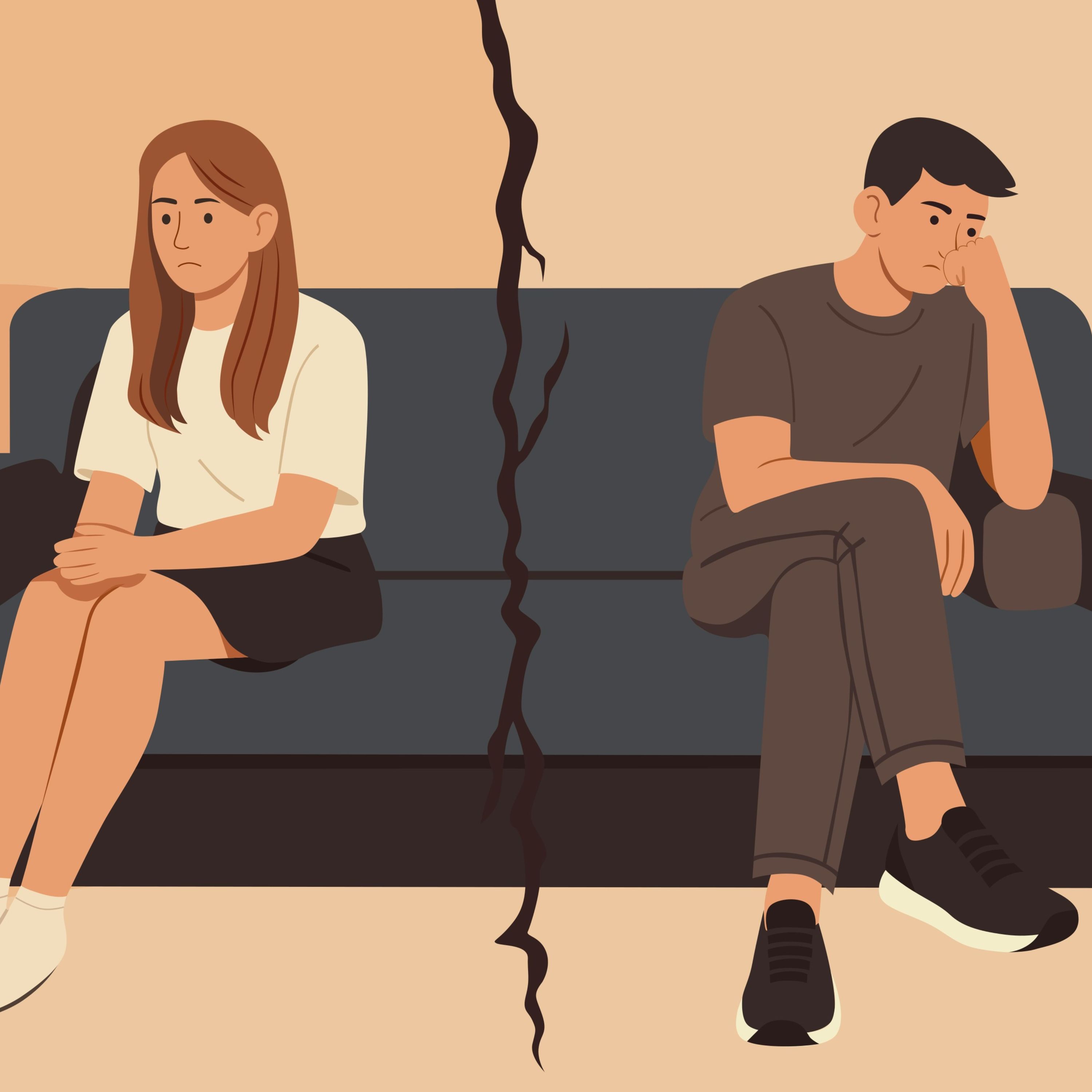
Social inequalities are a major risk factor for depression, making it a political problem. However, this is not a reason to deny medical treatment. Like other diseases of inequality such as AIDS or COVID-19, individuals need medical help now and cannot wait for underlying societal issues to be resolved.