Get your free personalized podcast brief
We scan new podcasts and send you the top 5 insights daily.
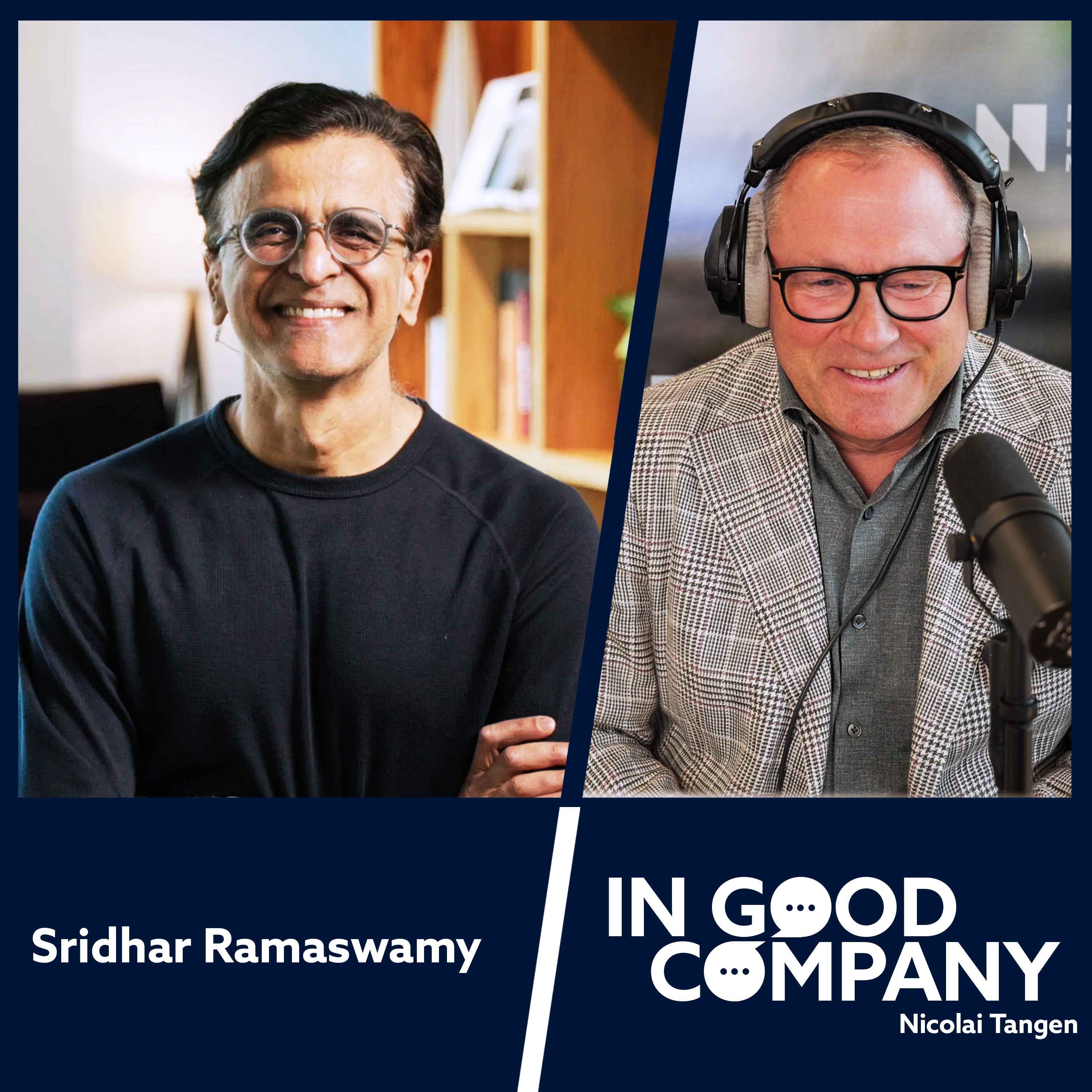
Sreedhar Ramaswamy's search engine startup, Neva, failed because it was only "marginally better." The crucial lesson is that consumer products need a dramatically improved experience to win. Features like enhanced privacy aren't compelling on their own, as consumers often subscribe to the idea rather than acting on it.
Related Insights
Despite creating highly competent models like Grok 4 and 4.1 that were competitive with top rivals, Grok struggled to gain traction because it lacked a single, standout use case that made users choose it over others. This demonstrates that in a crowded market, achieving performance parity is insufficient; a unique value proposition is required for adoption.

Technologically superior solutions often fail against competitors with better marketing and a stronger customer-centric narrative. For scientist-founders, it's a difficult but essential lesson to move beyond 'scientific elegance' and understand that technology, no matter how brilliant, does not sell itself.

Mainstream consumers are not actively seeking out AI products the way they did smartphones. Instead, mediocre AI features are being "foisted upon them" within existing apps like Google Search, leading to a perception of low quality and annoyance.

OpenAI's browser 'Atlas' might only be a 1.1x improvement over Chrome. This marginal gain is insufficient to drive mass adoption, as users require a 5-10x better experience—like ChatGPT was over Google Search—to switch established habits.

Radical innovation can be riskier than incremental improvement. Founder Eric Ryan shares a failure where a 10x concentrated laundry detergent was *too* novel; consumers, trained to see value in large jugs, couldn't believe the small bottle would be effective. He has failed more by being too novel than too familiar.

The Browser Company found that Arc, while loved by tech enthusiasts for its many new features, created a "novelty tax." This cognitive overhead for learning a new interface made mass-market users hesitant to switch, a key lesson that informed the simplicity of their next product, Dia.

The pressure to show rapid growth can trap intelligent entrepreneurs into building features, not durable solutions. The ideal path is between decade-long 'hard problems' and quick-win products, focusing on building a real moat that isn't easily replicated.

Founders often suffer from 'ownership bias,' believing their product is so great that customers will naturally show up. This leads them to underestimate the immense difficulty and expense of gaining visibility and attention in a saturated market, especially in the digital space.

To win mainstream adoption, privacy-centric AI products cannot rely on privacy alone. They must first achieve feature parity with market leaders like ChatGPT. Users are unwilling to sacrifice significant convenience and productivity for privacy, making it a required, but not differentiating, feature.

Many founders have a valuable product and positive feedback, yet fail to achieve takeoff. This is not an anomaly but the default outcome of conventional startup thinking, which focuses on value props instead of the actual triggers for purchasing. The common approach is intuitive but often ineffective in practice.