Get your free personalized podcast brief
We scan new podcasts and send you the top 5 insights daily.
A-Frame operates on the principle, articulated by partner John Legend, that a celebrity's influence can drive initial customer interest and the first sale. However, long-term success depends entirely on the quality of the product itself to earn the crucial second sale and create a loyal customer.

Related Insights
An influencer's audience provides an initial sales boost but is a finite resource that can be quickly saturated. The long-term viability of a personality-led brand depends on its ability to acquire net-new customers through traditional channels, who are not part of the original fanbase.
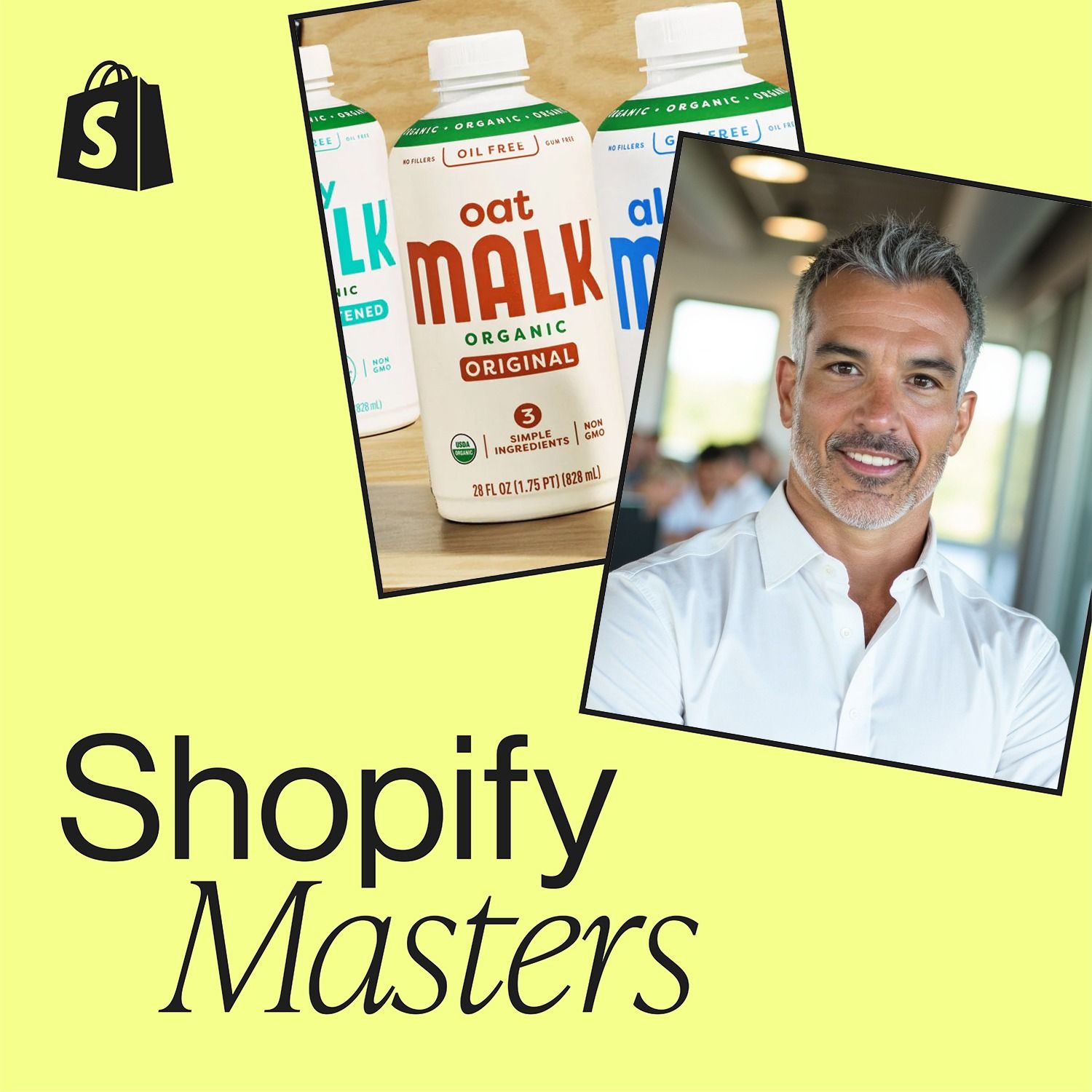
A founder's success is more dependent on the product's intrinsic value than their operational skills. The best marketer cannot overcome the headwind of a mediocre product that doesn't deserve to be on the shelf. A great product creates a natural tailwind, making growth significantly easier and attracting opportunities.
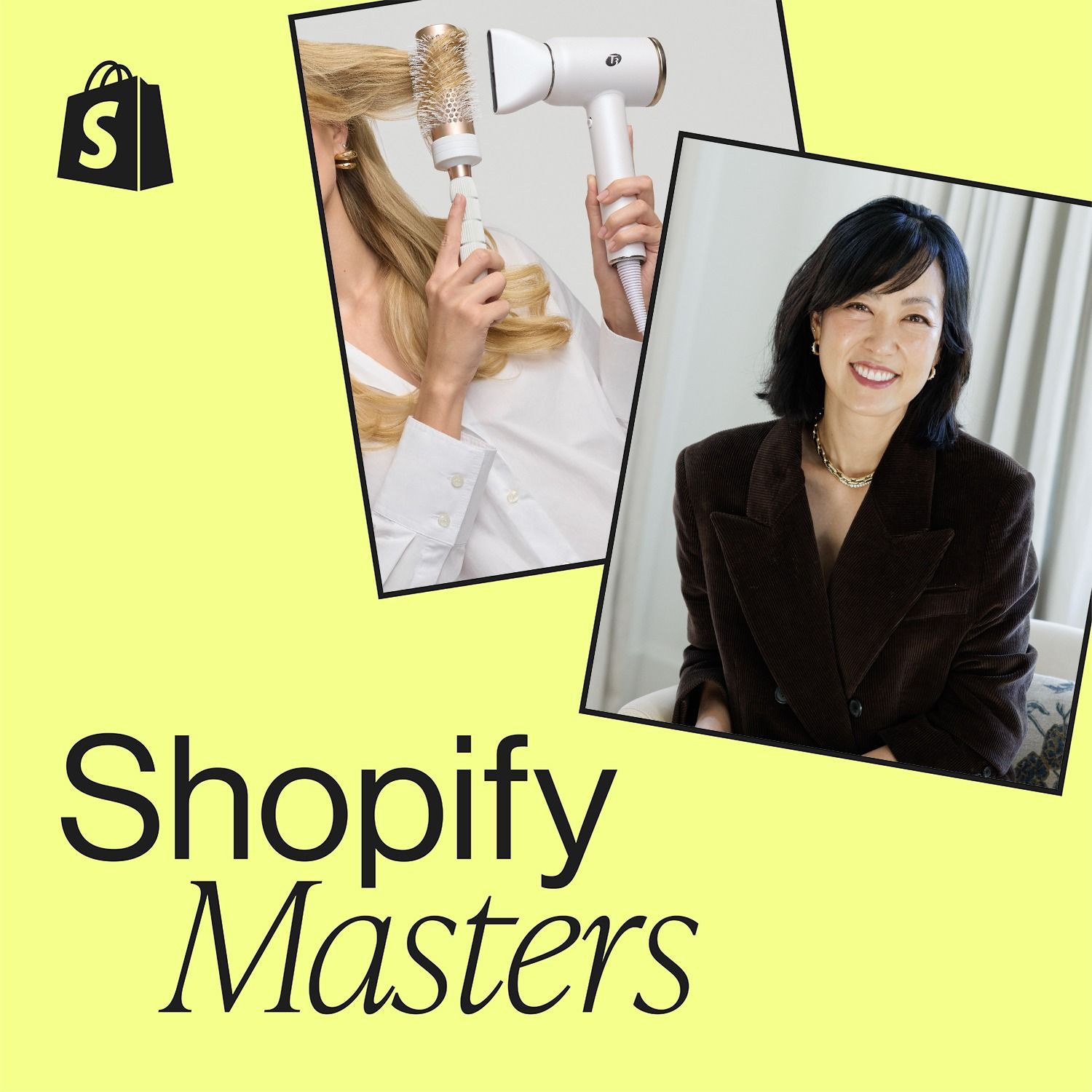
T3's founder knew a beautiful product would attract female consumers, comparing it to buying a laptop simply because it was pink. However, she stresses that aesthetic appeal is not enough for long-term success. If the beautifully designed product didn't deliver superior performance and results, the brand wouldn't have survived for 20 years.
The dynamic of control in a sales relationship flips post-purchase. Before the first sale, the customer is in control, requiring the salesperson to be patient and value-focused. Pushing aggressively is counterproductive. Only after a sale is made and trust is earned does the seller gain control, allowing them to be more direct and assertive in guiding the relationship.

Gary Vaynerchuk warns that using A-list celebrities is risky because audiences recall the star, not the product, leading to poor brand recall. For success, the brand and its message must remain the hero of the ad, never playing 'second or third fiddle' to the celebrity talent.

The failure of Travis Scott's Cacti seltzer, despite his massive global following, proves that a creator's audience cannot save a subpar product. Fans may try a product once out of loyalty, but repeat purchases—the foundation of a real business—depend entirely on the product's quality.

A-Frame's CEO filters potential celebrity collaborators by directly asking if they are willing to invest the millions required to launch their brand idea. This question quickly separates passion projects from serious business intentions, as many high-profile individuals expect others to take on the financial risk.
Simply adding a celebrity to an ad provides no average lift in effectiveness. Instead, marketers should treat the brand’s own distinctive assets—like logos, sounds, or product truths—as the true 'celebrities' of the campaign. This builds stronger, more memorable brand linkage and long-term equity.

The era of simply 'slapping a celebrity face' on a product is over. Modern consumers demand authenticity. Successful brands like Fenty and Rare Beauty thrive because their founders are deeply involved, knowledgeable about the products, and genuinely connected to a larger mission, such as inclusivity or mental health.

Contrary to popular belief, a celebrity wearing your product is not a golden ticket for sales. Heaven Mayhem's founder reveals that even massive celebrity placements often result in zero direct sales lifts. The true value is the long-term "halo effect" that boosts brand credibility and perception over time.