Get your free personalized podcast brief
We scan new podcasts and send you the top 5 insights daily.
The speaker defines PR's core function not as forcing consensus, but as fostering mutual understanding between different viewpoints, even if parties remain in disagreement. This positions PR professionals as essential facilitators in a polarized world, moving their role from simple persuasion to nuanced dialogue.

Related Insights
Effective communication's primary function is to remove friction from interactions, processes, and relationships. This mindset shifts the goal from simply being persuasive to making connection, collaboration, and progress feel easier and more natural for everyone involved.
The measure of a successful disagreement isn't winning or finding compromise, but whether the interaction is positive enough that both parties are willing to engage again. This preserves the relationship and allows for continued collaboration, reframing the immediate goal from resolution to sustainability.
True influence in business or geopolitics isn't about force. It's about understanding the other party's narrative. Frame your proposal so that accepting it makes them a hero within their own organization or to their constituents, aligning their self-interest with your goals.

To reduce hostility between political rivals, framing the conversation around a shared superordinate identity (e.g., 'we are all Americans') is highly effective. This strategy creates a foundation of unity and common purpose before tackling specific points of difference, making subsequent dialogue more constructive.

In disagreements, the objective isn't to prove the other person wrong or "win" the argument. The true goal is to achieve mutual understanding. This fundamental shift in perspective transforms a confrontational dynamic into a collaborative one, making difficult conversations more productive.

Empathy in the workplace is not about making everyone happy or even agreeing with them. Instead, it's a practical tool to get close enough to stakeholders and users to understand the rationale behind their decisions and perspectives, even when you disagree.

A truly great communicator isn't defined by their own eloquence but by their ability to improve the communication of others. Through deep listening, curiosity, and skillful questioning, they act as a thought partner, helping people discover and articulate their own ideas more effectively.
As public trust in institutions erodes and people retreat into insular communities, communications professionals have a greater opportunity to demonstrate value. They can do this by fostering understanding and brokering connections between disparate and isolated groups.
To find common ground in a polarized conversation, first "complexify" the other person's thinking. Research shows that exposing someone to the nuances of a completely different issue makes them more likely to seek compromise and common ground on the original, charged topic.
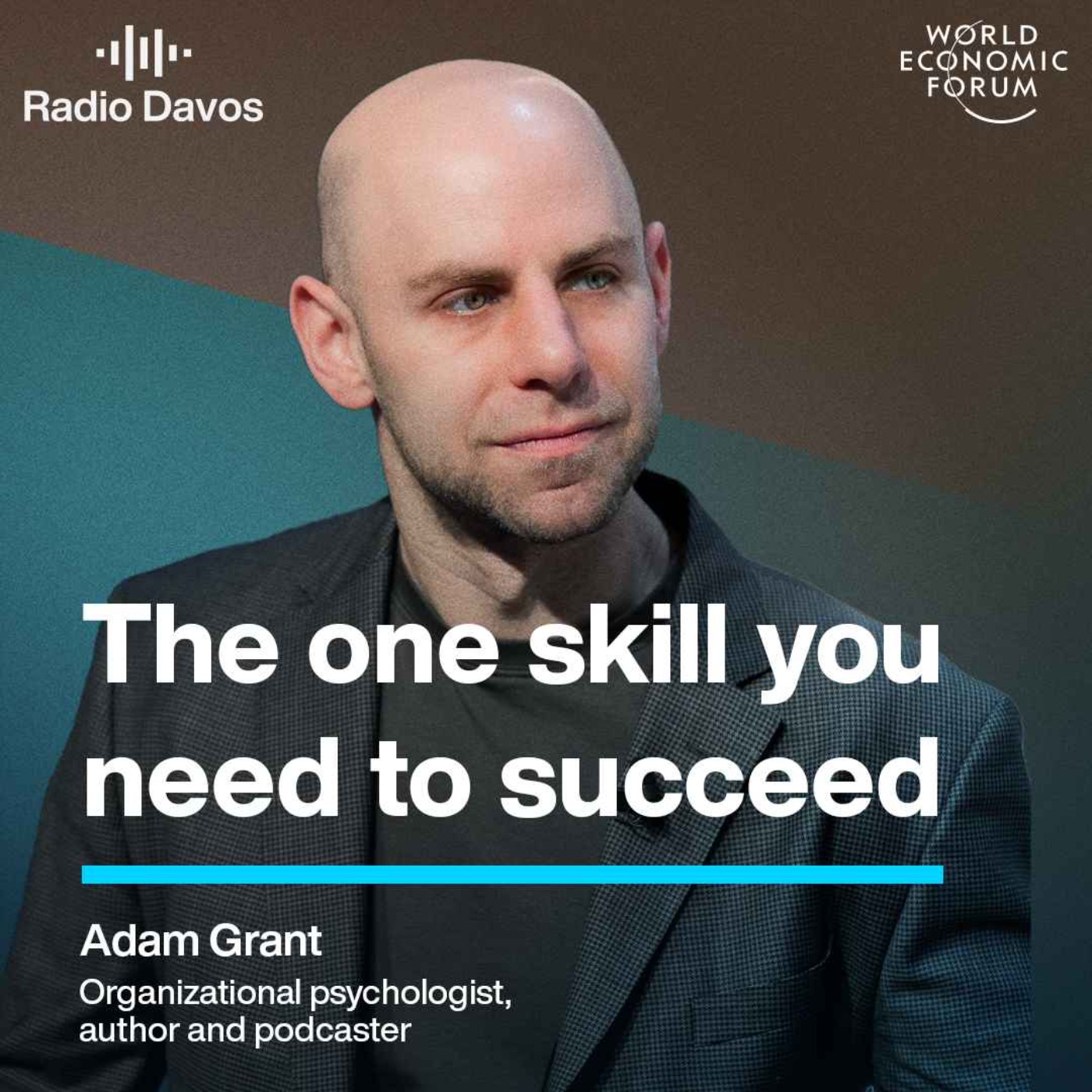
When meeting an influential person with opposing views, effectiveness trumps the need to be 'right.' The best strategy is to suppress personal indignation and identify a shared interest. Propose a policy or idea within that common ground that they might be receptive to and champion as their own.