Get your free personalized podcast brief
We scan new podcasts and send you the top 5 insights daily.
The founder of AI design tool Moda discovered an immediate, high demand for an API. This signals a major shift in user behavior: even for consumer-facing creative tools, users now expect to chain products together into complex, automated workflows from launch, altering product roadmaps.

Related Insights
According to Moda's founder, the most impactful AI tools are not those that merely accelerate existing workflows. Instead, they are the ones that empower users to achieve outcomes that were previously beyond their skill set, truly unlocking new creative capabilities for non-experts.
The next generation of software may lack traditional user interfaces. Instead, they will be 'API-first' or 'agent-first,' integrating directly into existing workflows like Slack or email. Software will increasingly 'visit the user' rather than requiring the user to visit a dashboard.

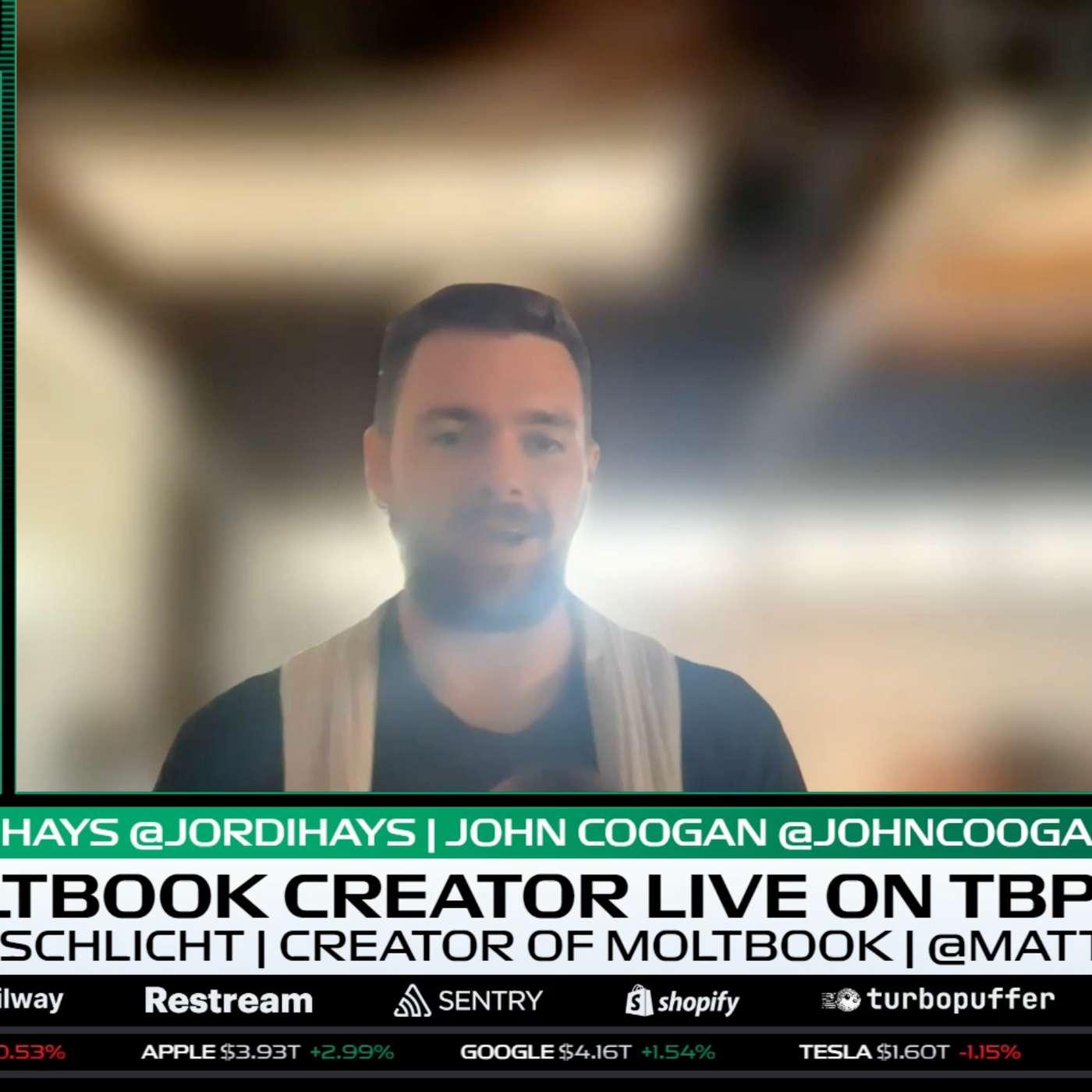
The creator realized AI agents don't browse websites with traditional user interfaces. The core product for an agent-native platform must be a set of API calls for interaction, news feeds, and browsing. This fundamentally rethinks product design for non-human users.
Advanced AI models are blurring the lines between coding, design, and marketing, enabling a new "vibe building" workflow. This paradigm shift allows a single person to manage the entire product stack holistically, moving beyond simple "vibe coding" to full-fledged product creation.

Exposing your platform via a Model Consumable Platform (MCP) does more than enable integrations. It acts as a research tool. By observing where developers and LLMs succeed or fail when calling your API, you can discover emergent use cases and find inspiration for new, polished AI-native product features.

Beyond just using AI tools, the fundamental process of product management is evolving. For every new initiative, PMs must now consider the appropriate level of AI, automation, or customization. This question is now as critical as "what problem are we solving?" and addresses rising customer expectations for adaptive products.

The surprising success of Dia's custom "Skills" feature revealed a huge user demand for personalized tools. This suggests a key value of AI is enabling non-technical users to build "handmade software" for their specific, just-in-time needs, moving beyond one-size-fits-all applications.

CREA's CEO argues that traditional software tiers (like Adobe vs. Canva) are becoming obsolete. AI and natural language interfaces are blurring the lines, with consumers requesting APIs and enterprises praising consumer-grade UIs. The focus is shifting from user segments to first-principles design for a more unified user base.

The proliferation of AI has dramatically reduced development time, shifting the primary constraint in product delivery from engineering capacity to the customer's ability to learn and integrate new features into their workflow. More output no longer guarantees more value.

Instead of building a single-purpose application (first-order thinking), successful AI product strategy involves creating platforms that enable users to build their own solutions (second-order thinking). This approach targets a much larger opportunity by empowering users to create custom workflows.