Get your free personalized podcast brief
We scan new podcasts and send you the top 5 insights daily.
The blockchain will enable collectors to trade NFTs representing ownership of wine cases stored in a central, temperature-controlled warehouse. This eliminates issues of provenance, shipping damage, and temperature fluctuations, reducing friction and creating a more liquid secondary market for fine wine.

Related Insights
Traditional asset ownership is recorded in static database systems from the 1970s. Tokenization represents a fundamental upgrade, transforming assets into interactive software (smart contracts). This allows for programmability, 24/7 settlement, and new forms of permissionless innovation that are impossible with legacy infrastructure.

As AI makes it easy to fake video and audio, blockchain's immutable and decentralized ledger offers a solution. Creators can 'mint' their original content, creating a verifiable record of authenticity that nobody—not even governments or corporations—can alter.
Beyond high-profile assets like sports teams, blockchain's core utility will be enabling the fractionalization of everyday small businesses. This technology will create a new mechanism for local entrepreneurs, like a pizza shop owner, to gain liquidity by easily transacting ownership shares, fundamentally changing small business finance.
The convergence of AI and Distributed Ledger Technology (DLT) is setting the stage for a 'liquidity explosion.' This will enable the tokenization of previously untradeable, fragmented assets like specific plastics or downstream LNG hubs, creating entirely new markets.

While mass-market wine sales are in a secular decline, the fine wine category is behaving like a luxury good. Similar to Swiss watches in a digital era, top-tier wines are retaining value as status symbols, creating a stark bifurcation in the overall market.

The key to tokenization is combining two worlds: traditional finance's expertise in legally custodying assets, and crypto's native, free infrastructure for 24/7 trading and liquidity. This fusion makes it possible to make previously untradable assets like private equity, art, or collectibles instantly liquid and accessible.
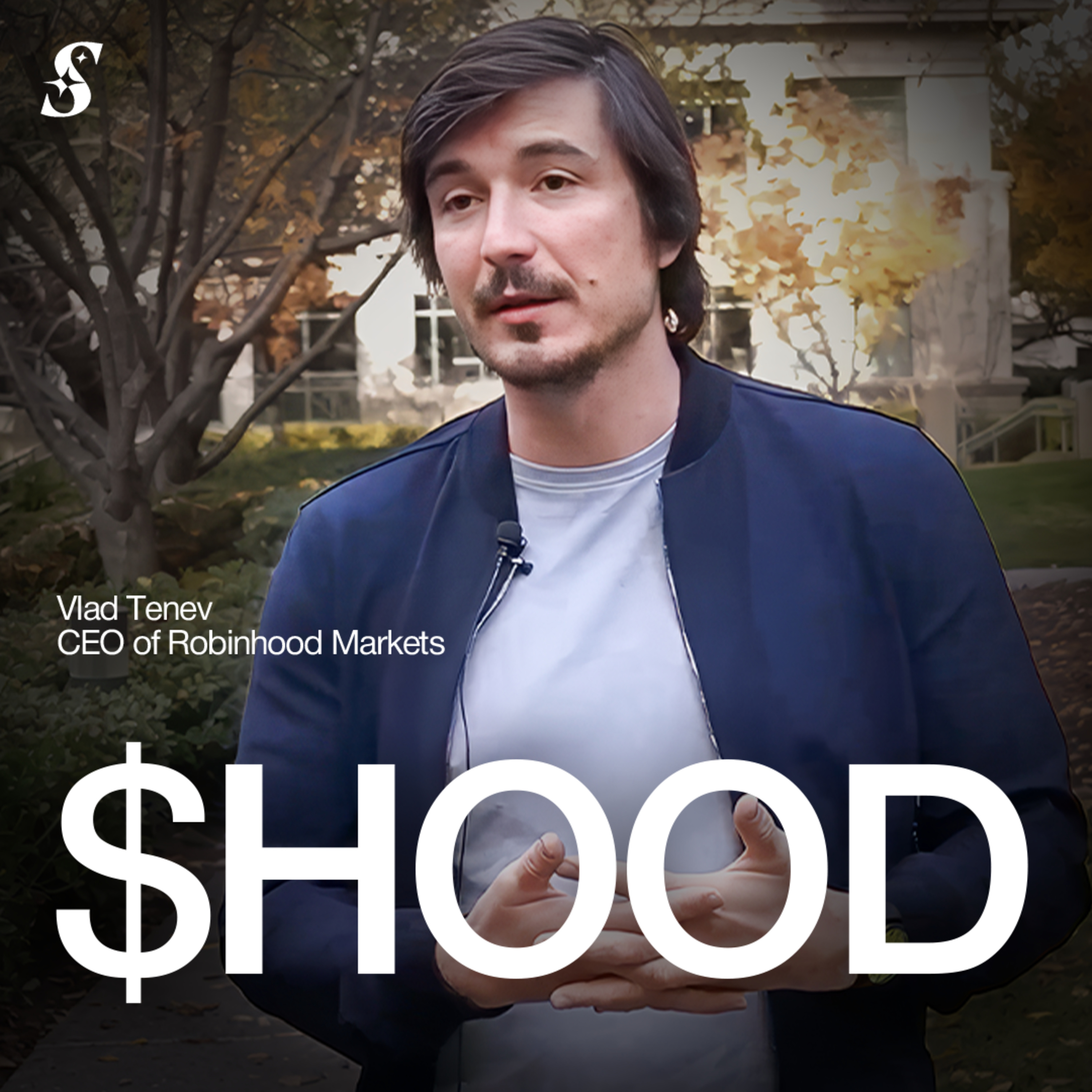
The NFT market's boom and bust mirrors the web 1.0 crash. Greed-fueled speculation has given way to a focus on genuine collecting. A small number of projects with real utility and community will survive and become the dominant players, much like Amazon and PayPal did post-2000.
Collectibles are on the verge of becoming a major cultural pillar on par with music, sports, or fashion. Social media fuels this by enabling sharing and community-building, turning personal collections into a form of expression and an alternative investment class.
As AI makes digital content and transactions nearly free to create, trust evaporates. Crypto primitives like blockchains offer a solution by providing verifiable identity, provenance (chain of custody), and reliable on-chain data, which is crucial for both humans and AI agents to operate safely.

The key benefit of tokenizing private credit or real estate is not just efficiency, but fractionalizing large, illiquid assets into smaller, tradable units. This unlocks global capital from family offices and other investors who cannot afford the traditional high minimum investment tickets.
