Get your free personalized podcast brief
We scan new podcasts and send you the top 5 insights daily.
Undersecretary Rogers explains that the US approach to speech policy varies by country. Saudi Arabia, despite its restrictions, is seen as liberalizing and is encouraged. In contrast, Europe is viewed as having a negative trajectory, making it a higher-priority target for US diplomatic pressure.

Related Insights
Comedians who build their brands on being 'free speech warriors' and criticizing censorship reveal their hypocrisy when they accept large payments from Saudi Arabia under contracts that explicitly forbid criticizing the kingdom. Their principles are abandoned for financial gain, exposing their activism as performative.

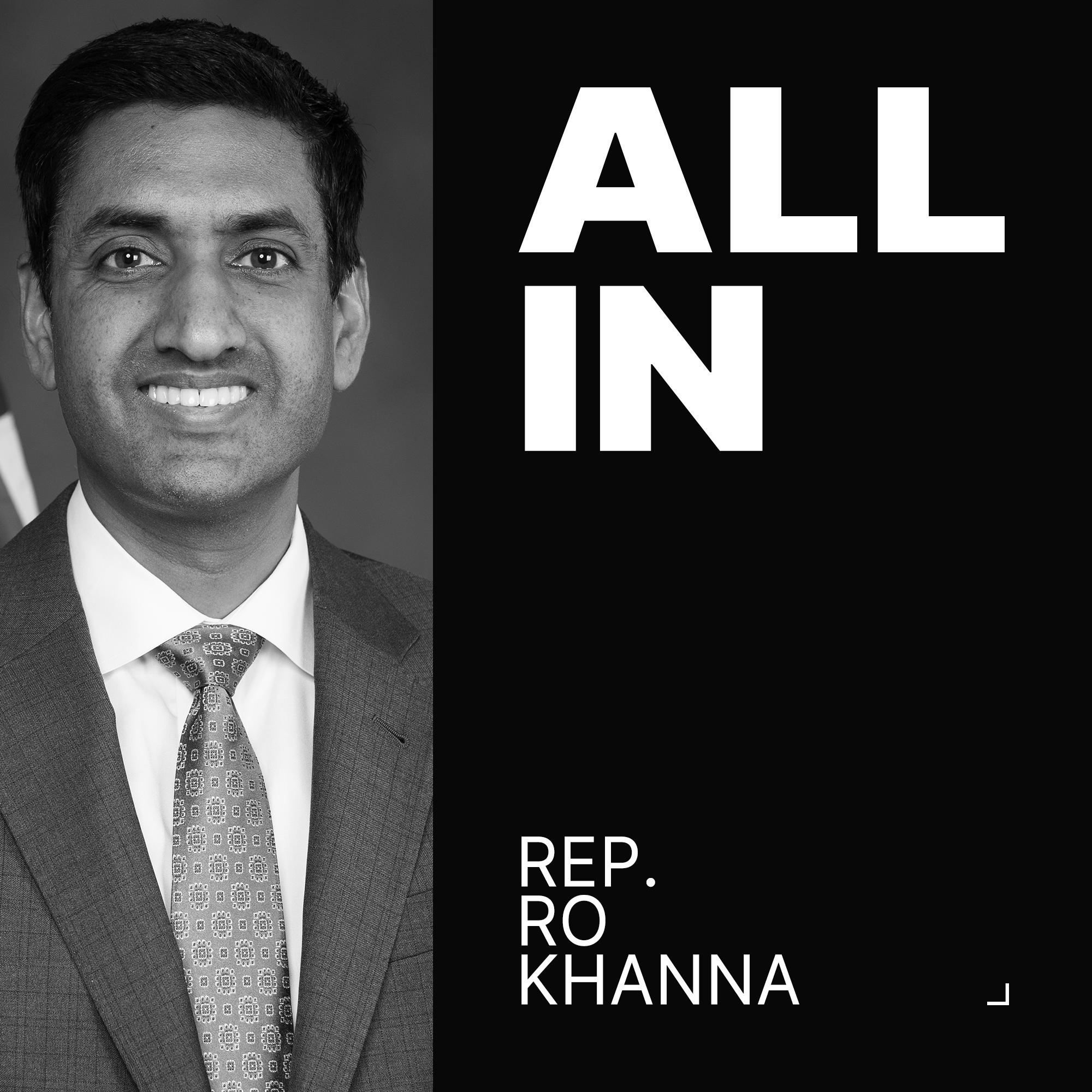
Ro Khanna argues that the true measure of a commitment to free speech isn't defending allies, but defending the speech of opponents. He builds credibility by citing his record of defending views he disagrees with, asserting this consistency is lacking on both political sides.
Rather than taking a "holier than thou" stance and refusing to engage with governments that have committed atrocities, it is more effective to build bridges. Cooperation invites them into the 21st century and aligns them with your values, whereas isolationism is counterproductive.

A US Diplomat argues that laws like the EU's DSA and the UK's Online Safety Act create a chilling effect. By imposing vague obligations with massive fines, they push risk-averse corporations to censor content excessively, leading to ridiculous outcomes like parliamentary speeches being blocked.
The ultimate test of free speech is allowing potentially harmful ideas to circulate. While this may lead to negative consequences, it is preferable to the alternative. The 20th century saw 200 million people killed by their own governments, demonstrating that the tyranny required to enforce narrative control is a far greater danger.

Undersecretary Sarah Rogers describes the internet's evolution from a free, anonymous space to a sanitized "shopping mall." This "gentrification," driven by increased commerce and family use, has eroded the chaotic freedom that once fostered creativity and open expression.
When people can no longer argue, disagreements don't vanish but fester until violence becomes the only outlet. Protecting even offensive speech is a pragmatic necessity, as open debate is the only mechanism that allows societal pressures to be released peacefully.
Proponents of engaging with regimes like Saudi Arabia often pivot from specific moral criticisms (e.g., murdering journalists) to comparative flaws in Western democracies (e.g., gun violence). This "whataboutism" is a rhetorical strategy to reframe the debate and justify actions by implying moral equivalence.
Citing thousands of arrests for "malicious communication" in the UK and Germany, the hosts frame Europe's crackdown on speech as a cautionary tale. They note similar legislation was narrowly vetoed in California, highlighting a real threat to American free speech principles.
While both the Biden administration's pressure on YouTube and Trump's threats against ABC are anti-free speech, the former is more insidious. Surreptitious, behind-the-scenes censorship is harder to identify and fight publicly, making it a greater threat to open discourse than loud, transparent attacks that can be openly condemned.