Get your free personalized podcast brief
We scan new podcasts and send you the top 5 insights daily.
Unlike bots that join calls, Granola records audio at the OS level. This makes it universally compatible and positions it as a private tool, like Voice Memos, placing the onus of disclosure on the user, not the software.

Related Insights
Power users of AI agents believe the ideal user interface is not graphical but conversational. They prefer text-based interactions within existing chat apps and see voice as the ultimate endgame. The goal is an invisible assistant that operates autonomously and only prompts for input when absolutely necessary, making traditional UIs feel like friction.
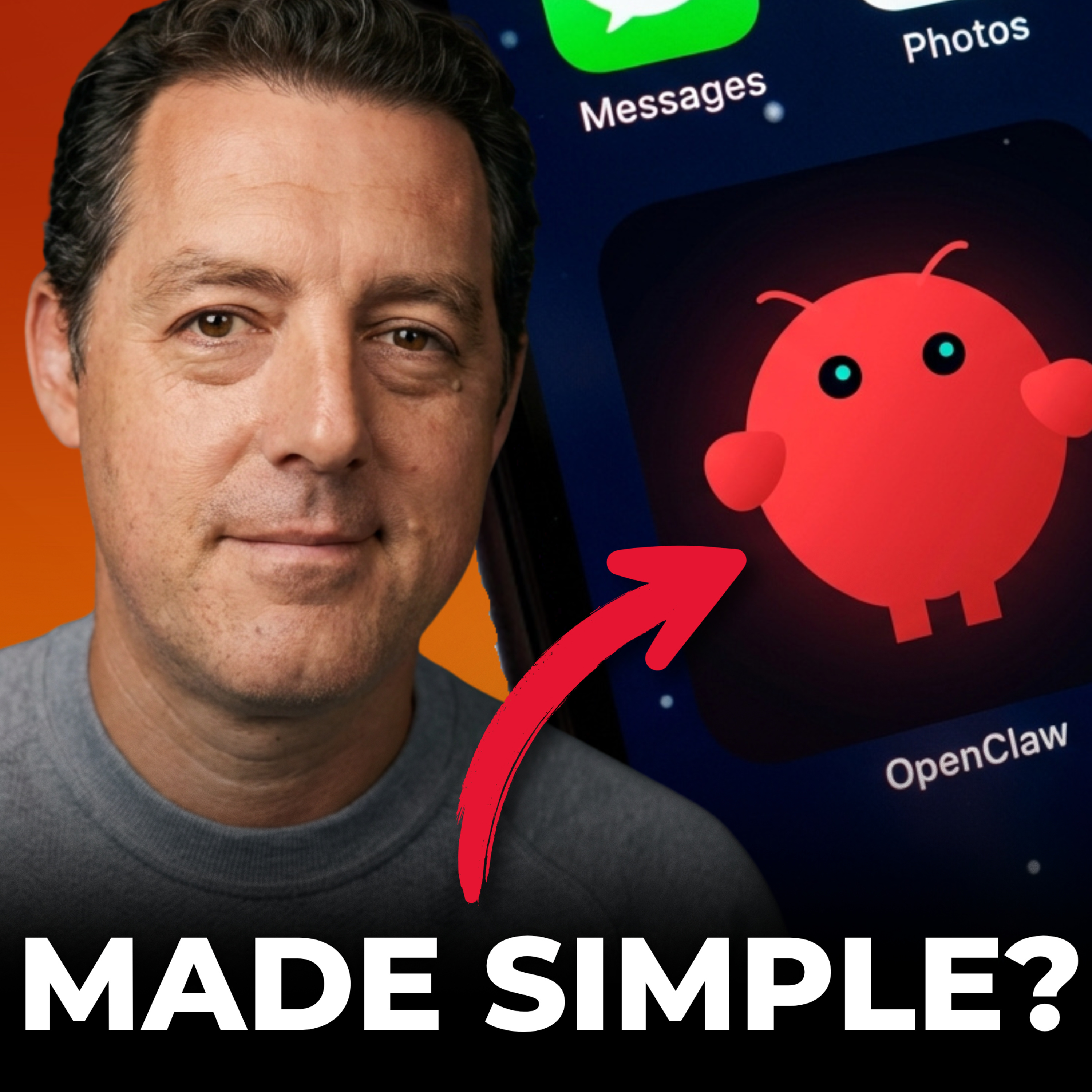
The core appeal of open-source projects like OpenClaw is that they run locally on user hardware, granting full control over personal data. This contrasts with cloud-based agents from Meta, positioning data ownership and privacy as a key differentiator against convenience.

While users can read text faster than they can listen, the Hux team chose audio as their primary medium. Reading requires a user's full attention, whereas audio is a passive medium that can be consumed concurrently with other activities like commuting or cooking, integrating more seamlessly into daily life.

For professionals who find phone calls demanding and texting too superficial for relationship building, voice memos offer an effective middle ground. This asynchronous communication method allows for the nuance and personality of voice, fostering a deeper connection without the pressure of a real-time conversation.

By running AI models directly on the user's device, the app can generate replies and analyze messages without sending sensitive personal data to the cloud, addressing major privacy concerns.
Tools like Granola.ai offer a key advantage by recording locally without joining calls. This privacy, combined with the ability to search across all meeting transcripts for specific topics, turns meeting notes into a queryable knowledge base for the user, rather than just a simple record.

While storing audio could be valuable for training models, Granola only stores transcripts. This preempts user fears of their voice data being misused or held against them, signaling a commitment to privacy over data hoarding.
Within three years, the default for all enterprise meetings will shift to "record on." This ambient data capture will feed a new system of intelligence, automatically extracting insights, monitoring for compliance risks, and diffusing issues proactively. Unstructured conversation data will become a core enterprise asset.

The Apple-Google AI deal isn't a simple API call. Apple is incorporating Gemini models directly, allowing it to adapt them for products like Siri while processing data within its own on-device or "private cloud" infrastructure. This structure is key to upholding its stringent user privacy standards.

Running a personal AI on your own hardware is fundamentally different than using a cloud service. The key advantage is data sovereignty. This protects user data from third-party access, subpoenas, and control by large corporations, which is a critical differentiator for privacy-conscious users and businesses.
