Get your free personalized podcast brief
We scan new podcasts and send you the top 5 insights daily.
Instead of feeling threatened by a question you can't answer, especially in a high-stakes meeting, praise the questioner. Say, "That's a fantastic question." This validates their contribution, gives you a moment to think, and transforms a tense moment into a collaborative one.

Related Insights
Direct questions in sales or leadership can feel confrontational. Prefacing them with 'I'm curious...' completely changes the dynamic from an interrogation to a collaborative effort to understand. This simple linguistic shift builds trust, encourages openness, and turns transactions into lasting relationships.

When a team member asks for a decision, don't give them the answer. Instead, guide them with a series of questions about advantages, disadvantages, and future impact. This coaches them through the critical thinking process, empowering them to make better decisions independently in the future.

Professionals often react defensively to questions after a presentation, viewing them as attacks. A powerful mindset shift is to see each question as a gift. It signifies the audience was engaged enough to listen, process your information, and now wants to start a conversation.

To transform team dynamics, leaders should intentionally ask questions that invite challenges and alternative viewpoints. Simple prompts like 'What might we be missing here?' or 'Does anyone have a different point of view?' create psychological safety and signal that all contributions are valued.

The goal of asking questions isn't just for you to gather information. It's a Socratic dialogue designed to help stakeholders think differently and arrive at the real need themselves. By guiding their thought process, you build deeper alignment and co-create a better solution, rather than just extracting requirements for yourself to fulfill.
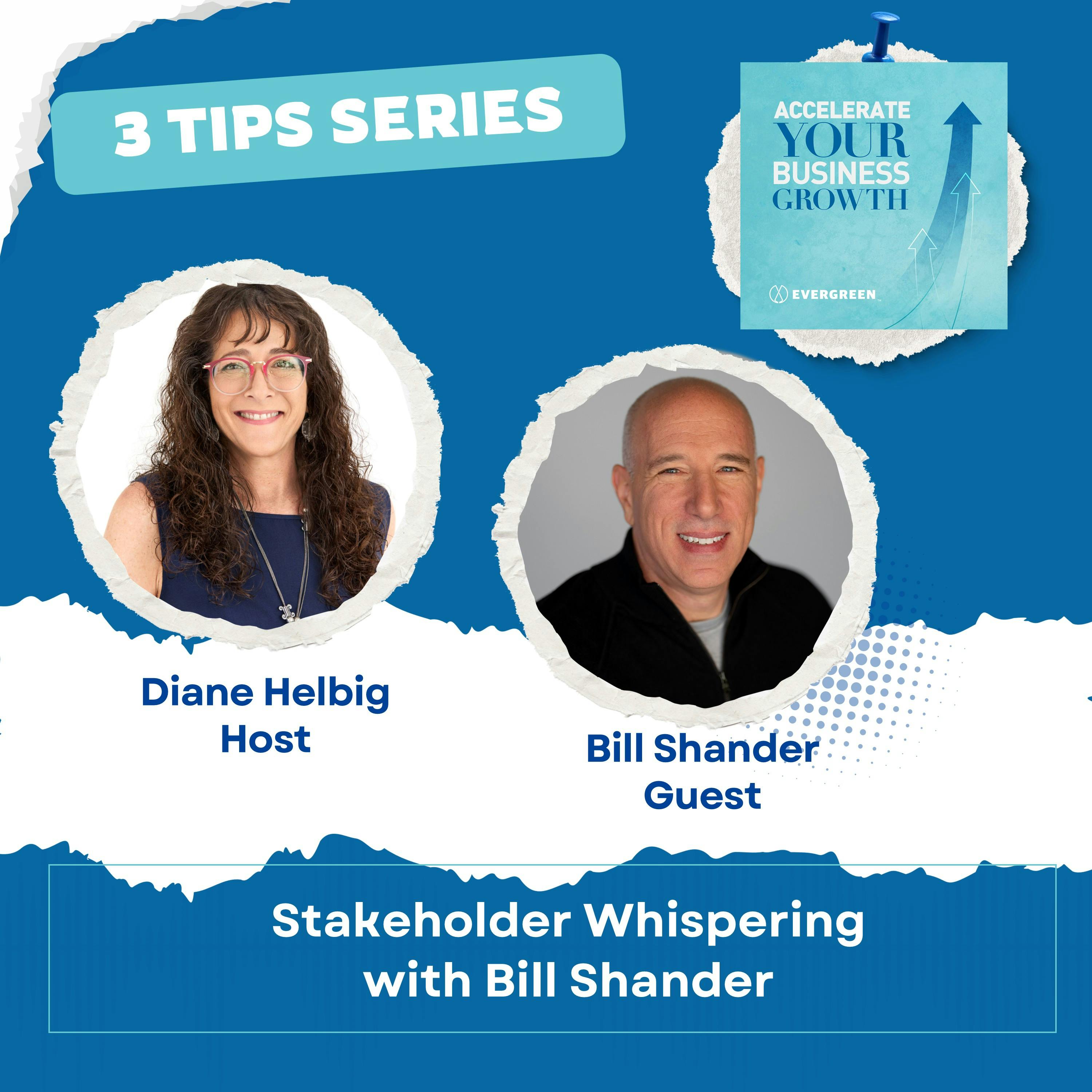
When an executive says something you think is wrong, don't confront them. Instead, disarm them with a curious question like, "That's so interesting. What led you to believe that?" This shows respect, uncovers hidden context (like board pressure), and shifts the dynamic from a disagreement to co-creation.

In tense executive meetings, this simple verbal tool can de-escalate conflict. By starting with two points of agreement ("I like...") before posing a question ("I wonder if..."), you validate the other person, lower defensiveness, and create space for alternative ideas.
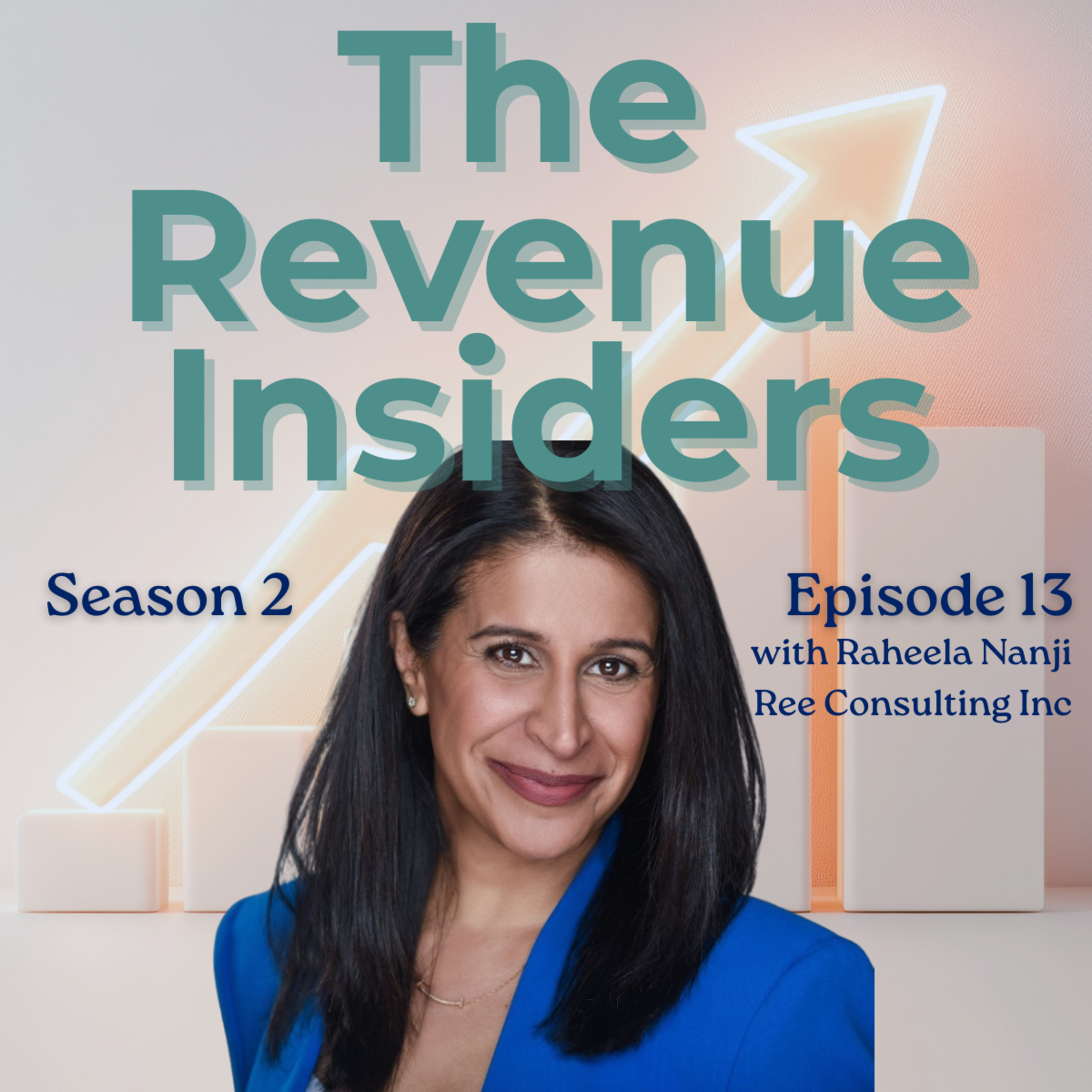
When questioning management on poor performance, framing questions with 'What were the reasons...' instead of 'Why did you...' avoids making them feel attacked. This reduces defensiveness and elicits more thoughtful, expansive responses rather than terse answers.

The way you initiate a difficult conversation predetermines its trajectory. Avoid direct, challenging statements that trigger defensiveness. Instead, use a vulnerable frame—admitting difficulty and seeking help—to make your counterpart curious and willing to engage as a problem-solving partner.

When you're the least experienced person in a room, your value isn't in providing answers. It's in asking clarifying, insightful questions. A well-posed question can shift the group's perspective and contribute more than generic advice, establishing your role as a thoughtful participant.
