Get your free personalized podcast brief
We scan new podcasts and send you the top 5 insights daily.
Willy Schlacks argues that fear—of running out of money, losing status, etc.—is the default human motivator, and it strangles true creativity. The most profound, unpredictable future innovations will come when humans are free to create without being driven by fear.

Related Insights
Citing Harvard research, the speaker argues intense time pressure paralyzes creativity. It leads to panicked, suboptimal idea selection because teams gravitate to the first plausible concept rather than the best one. The perception of a "speeding up" world is a myth rooted in poor prioritization, not a true lack of time.

Many people stay in their comfort zones not just because they fear failure, but because they are addicted to what is familiar. Unlocking potential requires choosing courage over the comfort of the known.

Talented people avoid starting things due to fear of public failure. The reality is that most people don't pay attention, and even negative attention is fleeting. This creates a highly asymmetric upside for taking creative and entrepreneurial risks.
Many creators stall not because they fear failure, but because they fear the operational burden that comes with success. The anxiety of not being able to sustain momentum or manage a growing project as a "one-person show" can be more paralyzing than the fear of never starting at all.

Drawing from biology, increased safety and prosperity cause humans to adopt a "slow life" strategy. Expecting to live longer, we invest in the future and avoid risks (like smoking or teen pregnancy), which also dampens the bold risk-taking that fuels creativity.

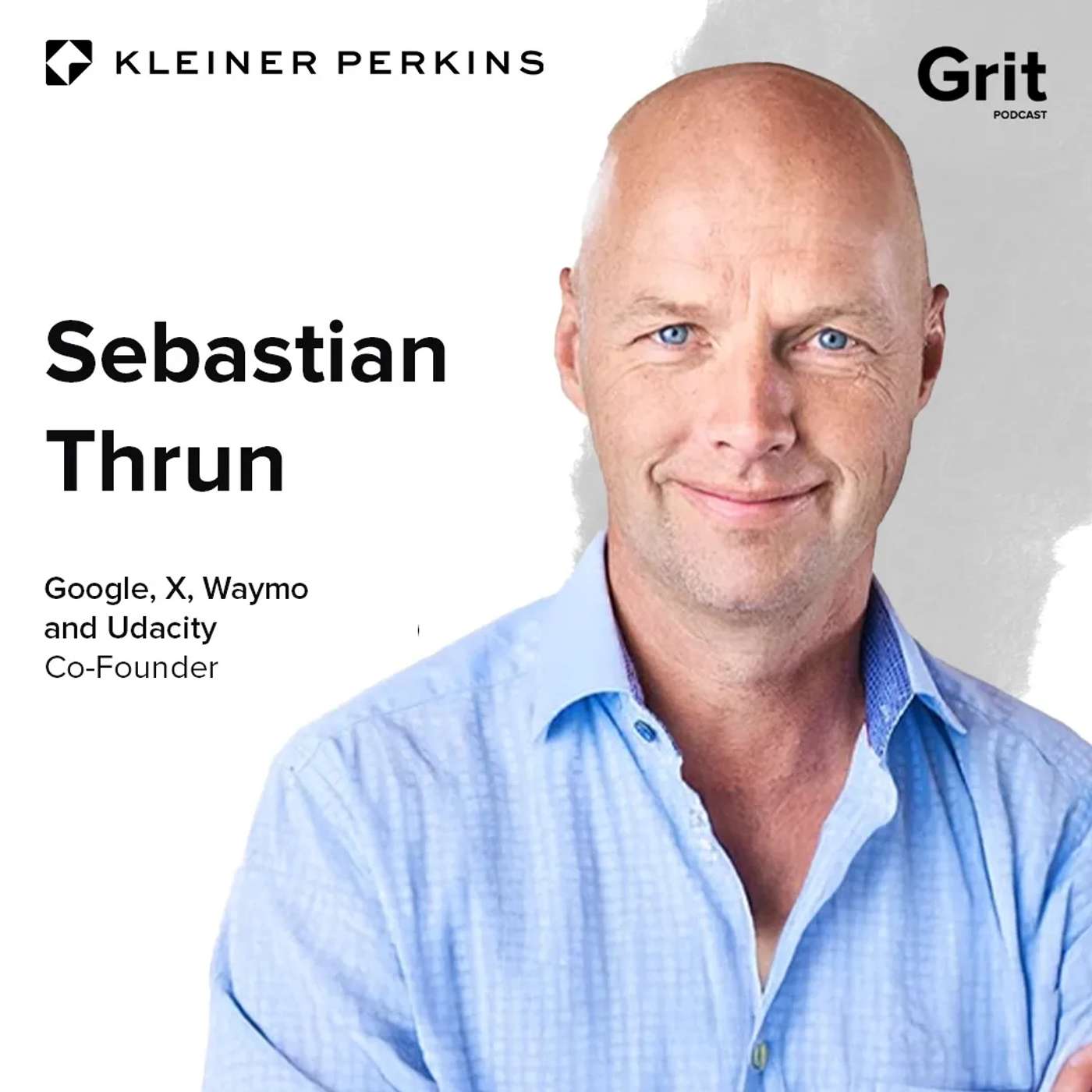
Sebastian Thrun advises innovators to eliminate guilt and fear, estimating 80% of his work is correcting mistakes. Feeling guilty about errors stifles risk-taking and leads to safe, incremental work. Instead, he treats mistakes purely as learning opportunities to be applied in the future.
World-changing ideas are often stifled not by direct threats, but by the creator's own internal barriers. The fear of social exclusion, of being "flamed on Twitter," or of hurting loved ones causes individuals to self-censor, anticipating external pressures before they even materialize.
Businesses prioritize maximum output, speed, and low risk, which stifles creativity. True creativity requires time, safety for risk-taking, and tolerance for failure—conditions that are antithetical to typical business operations.

Entrepreneurs are natural risk-takers. Relying solely on logic, which is designed to keep you safe by recalling past failures, stifles the very creative and intuitive superpowers that drive entrepreneurial success.

A cultural shift toward guaranteeing equal outcomes and shielding everyone from failure erodes economic dynamism. Entrepreneurship, the singular engine of job growth and innovation, fundamentally requires the freedom to take huge risks and accept the possibility of spectacular failure.