Get your free personalized podcast brief
We scan new podcasts and send you the top 5 insights daily.
Closely guarded secrets, such as KFC's 11 herbs and spices or Coca-Cola's formula, are more than just intellectual property. They function as powerful, enduring marketing tools that create a sense of mystique, public fascination, and lasting brand identity.

Related Insights
A well-developed brand with distinct colors, fonts, mascots, or taglines gives marketers tangible assets to build creative campaigns around. This makes marketing smoother and more effective, avoiding the difficulty of promoting a generic or "plain" company identity.

A brand's history is a valuable asset. The most powerful ideas for future growth are often rooted in the brand's 'archaeology.' Reviving timeless concepts, like the Pepsi Taste Challenge, and making them culturally relevant today is often more effective than chasing novelty.

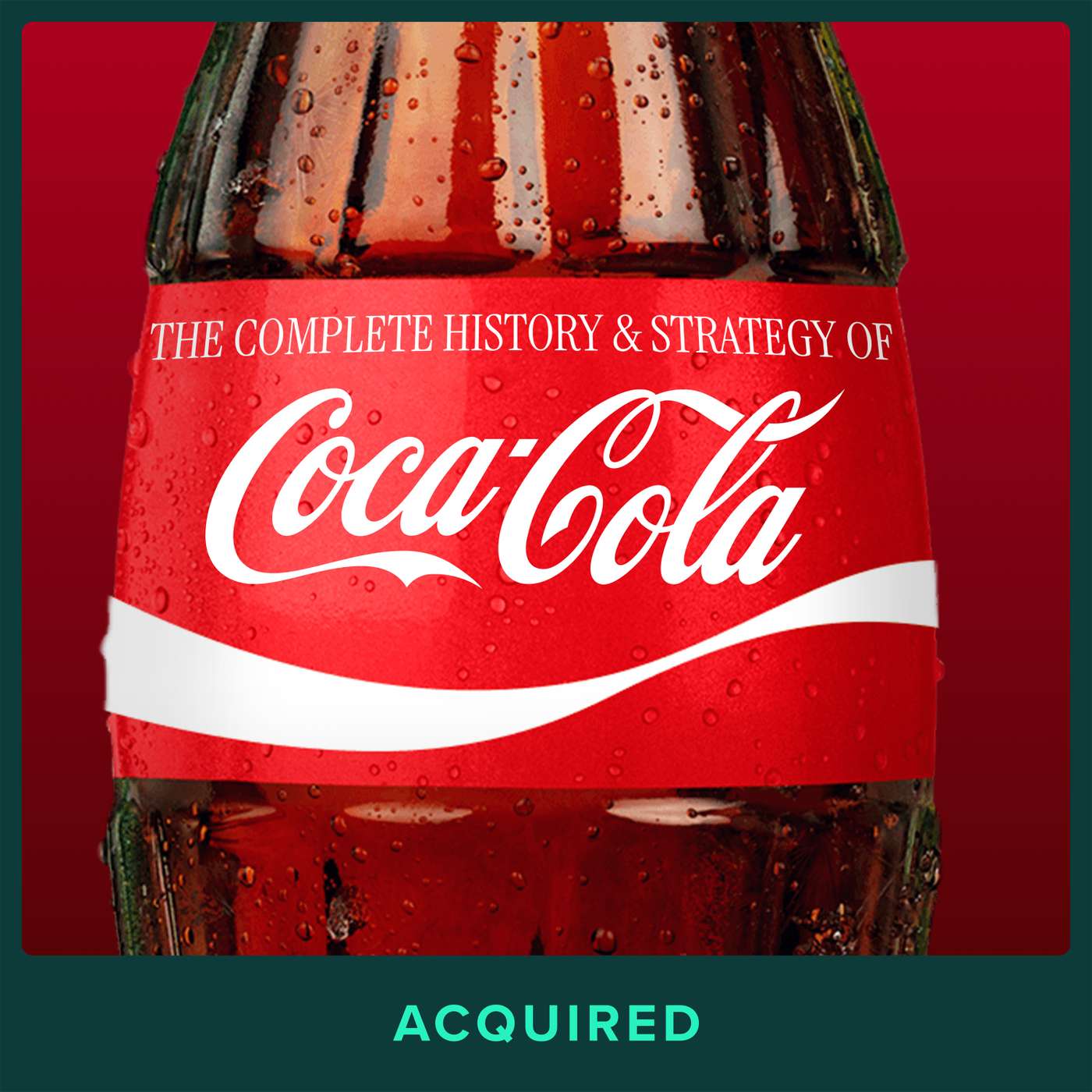
Coca-Cola's legal team extended its IP moat beyond the brand name. They commissioned a bottle "so distinct that you would recognize it by feel in the dark" and successfully argued for its shape to be granted trademark status, a rare accomplishment that created a powerful, non-verbal brand defender.
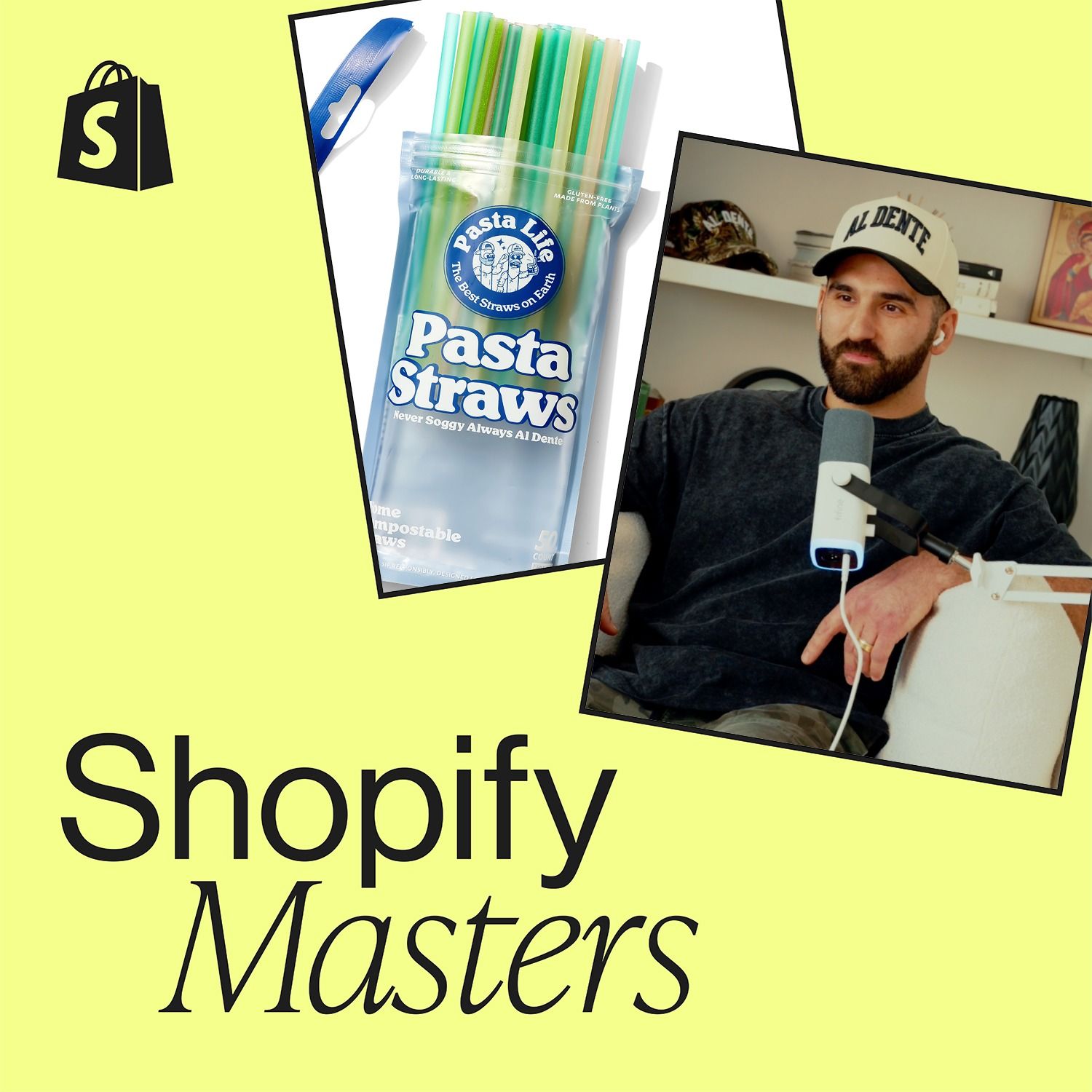
Rather than relying on patents, the founder built a defensible moat using brand strategy. This includes unique content, community engagement, and a trade-secret recipe, making it harder for competitors to replicate their success even if they copy the physical product.
Instead of patenting its sauce recipe—which requires public disclosure and expires in 20 years—Raising Cane's uses costly operational secrecy. This protects the formula indefinitely and, more importantly, transforms the sauce from a simple condiment into a valuable, unifying brand myth.

The true defensible moat for large restaurant chains isn't their food, but their mastery of process innovation. Delivering a french fry that tastes the same worldwide is an extraordinarily difficult feat of supply chain, training, and operational execution that is nearly impossible to replicate.

Coca-Cola markets a sugary beverage with no nutritional value by completely ignoring product attributes. Instead, its brand is built on emotionally resonant stories of happiness and togetherness, proving that a powerful intangible idea can be more persuasive than the tangible product itself.

Branding transcends visual elements like logos, websites, or uniforms. A truly powerful brand is the lasting, unique impact—the "thumbprint"—a company leaves on its community, customers, and team. This defines reputation and fosters deep loyalty far more effectively than any aesthetic component.

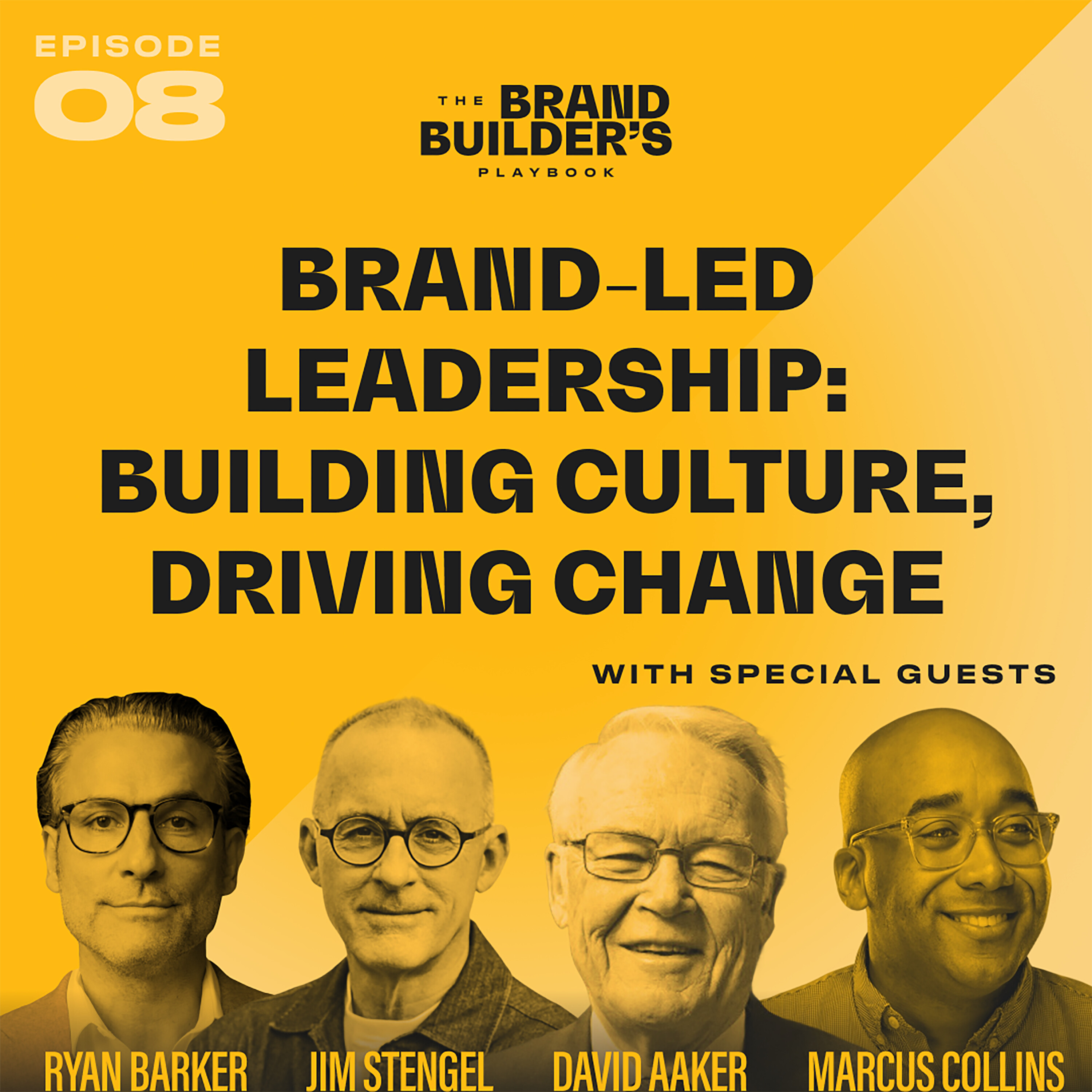
David Aaker identifies a simple, powerful tactic: ask your team what makes the company special—its "secret sauce"—and turn that into a formal brand asset. He argues even abstract concepts, like a unique way of treating people, can be branded (e.g., "the HP way") to create a potent, ownable differentiator.
Simply adding a celebrity to an ad provides no average lift in effectiveness. Instead, marketers should treat the brand’s own distinctive assets—like logos, sounds, or product truths—as the true 'celebrities' of the campaign. This builds stronger, more memorable brand linkage and long-term equity.