Get your free personalized podcast brief
We scan new podcasts and send you the top 5 insights daily.
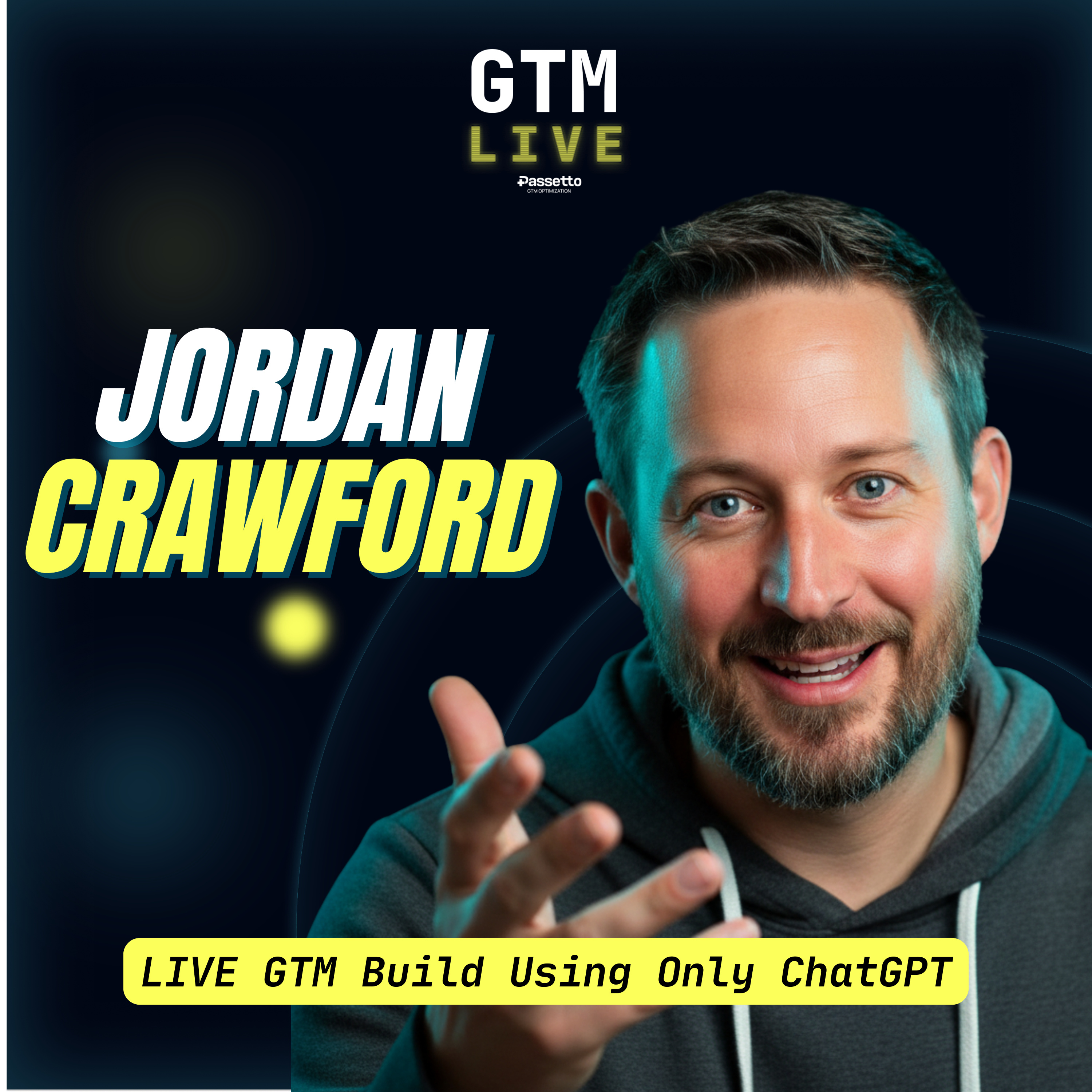
GTM leaders no longer need to delegate strategy implementation. With tools like ChatGPT, their spoken words can become code, allowing them to rapidly prototype and test complex, data-driven prospecting campaigns themselves, directly connecting high-level strategy to on-the-ground execution.
Related Insights
Instead of hiring a 'Chief AI Officer' or an agency, the most successful GTM AI deployments empower existing top performers. Pair your best SDR, marketer, or RevOps person with AI tools, and let them learn and innovate together. This internal expertise is more valuable than any external consultant.
Instead of being intimidated by unfamiliar marketing tactics like creating animated GIFs, use AI platforms as on-demand tutors. Ask the AI to provide step-by-step instructions tailored to your specific software stack (e.g., MailChimp, HubSpot) and skill level, eliminating the "how-to" barrier for implementation.

Buyers now use AI to arrive with a full research dossier on your product, pricing, and competitors. This changes the GTM role from persuading customers with clever messaging to enabling their decision-making. The new focus is helping buyers quickly experience your product's value on their own terms.

Advanced management techniques, like using AI to suggest team improvements, no longer require specialized software or data science teams. A manager can use an off-the-shelf tool like ChatGPT, feed it a simple spreadsheet of performance data, and ask it to run the analysis, democratizing access to managerial 'superpowers'.

AI will automate foundational campaign tasks like audience selection and basic messaging. This transforms the campaign manager's role from a hands-on executor into a high-level creative strategist focused on adding the unique, personalized layers that make campaigns stand out.
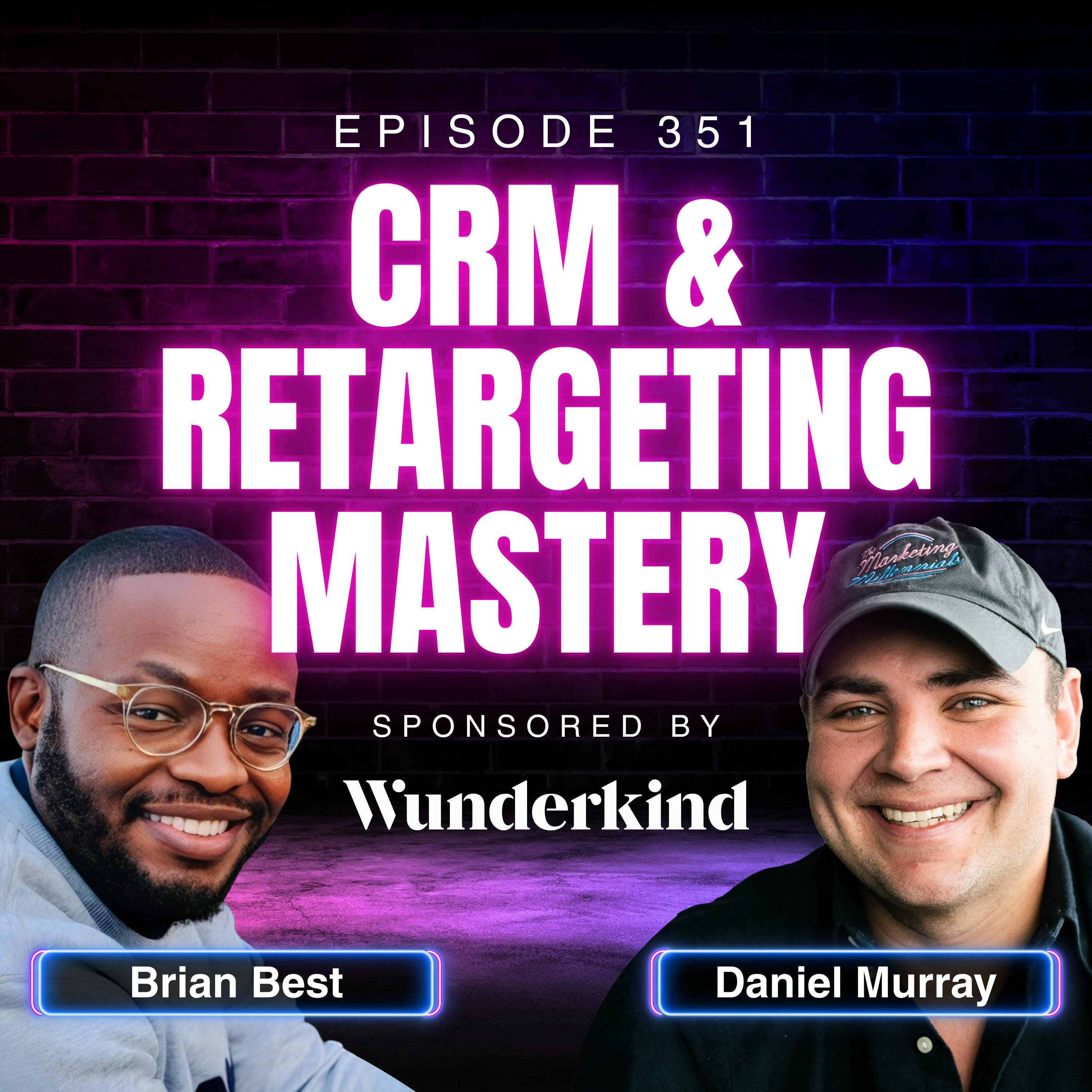
Beyond just generating creative, the future of AI in CRM is using "agentic AI" to build better strategies. This involves agents that help define audience segments, determine the next best product or action, and accelerate the implementation of complex campaigns, enhancing human strategy rather than replacing it.
View AI less as a tool for discrete tasks and more as the foundation for a central marketing hub. This system uses AI to create and maintain branded playbooks for all marketing activities, ensuring consistency and quality regardless of who is executing the work.

AI tools that generate functional UIs from prompts are eliminating the 'language barrier' between marketing, design, and engineering teams. Marketers can now create visual prototypes of what they want instead of writing ambiguous text-based briefs, ensuring alignment and drastically reducing development cycles.

Consistently feed your AI tool information about your company, products, and sales approach. Over time, it will learn this context and automatically tailor its sales prep output, connecting a prospect's likely problems directly to your specific solutions without needing to be reprompted each time.

AI's future impact will transcend mere workflow efficiency. It will act as a strategic 'equalizer,' enabling smaller, leaner marketing teams to operate with the sophistication of larger enterprises. This means gaining access to advanced personalization, audience management, and performance optimization that directly impacts the bottom line.
