Get your free personalized podcast brief
We scan new podcasts and send you the top 5 insights daily.
The paradox of an outcome-based guarantee is that you can't truly guarantee it, as the customer must do the work. Its real purpose is to act as an internal 'catalytic mechanism' that forces your business to build the necessary processes to ensure the customer's success.

Related Insights
Even commodity businesses like insurance can offer transformations. Instead of just 'insuring' (paying a claim), they can 'assure' (manage emotions) and 'ensure' (proactively prevent bad outcomes), guiding customers from a negative event back to a state of wholeness and well-being.
Instead of using pressure tactics to create urgency, offer guarantees or flexible terms. This de-risks the purchase for the buyer and, more importantly, serves as a powerful, non-verbal signal of your own deep confidence in the solution's value and ability to deliver results.

Startup founders often sell visionary upside, but the majority of customers—especially in enterprise—purchase products to avoid pain or reduce risk (e.g., missing revenue targets). GTM messaging should pivot from the "art of the possible" to risk mitigation to resonate more effectively with buyers.

To create scalable offers that deliver results without you, shift from asking 'What do I know?' to 'What must my people do?'. Transformation comes from implementation, not just information. You must surface the hidden, instinctual actions and decisions that experts make to provide customers a clear path to results.

Customers don't buy features, software, or services; they buy change. Your focus should be on selling the results and the transformed future state your solution provides. This shifts the conversation from a commodity to a high-value outcome.

To combat renewal fatigue, DaaS vendors must guide customers to a single, measurable business win within the first 60 days. This aggressive timeline forces prioritization of the most tangible use case, creating an "anchor point" of proven value that makes future renewal conversations significantly easier.

The consulting giant is shifting its business model from pure advisory work (fee-for-service) to an outcomes-based approach. McKinsey co-creates a business case with the client and contractually underwrites the results, aligning its incentives directly with client success.
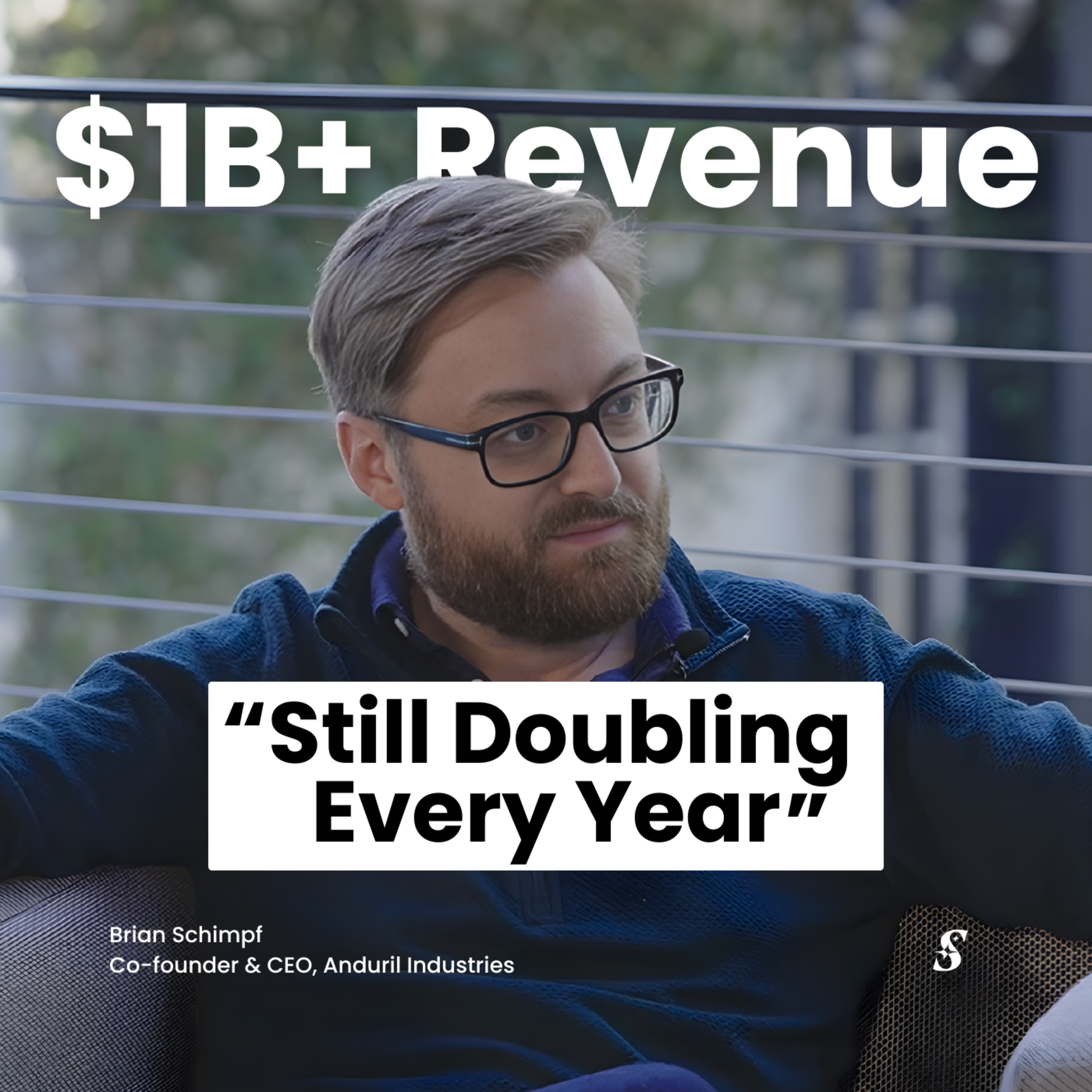
Anduril advocates for performance-based contracts, a controversial model in government where payment is contingent on the product working. This forces internal accountability and aligns their interests with the customer's, contrasting with traditional cost-plus models that place all risk on the government.
This attraction offer replaces free trials. Customers pay a significant amount upfront for a service. If they achieve a predefined goal, they get their money back, often as store credit for future services. This model dramatically improves initial cash flow and incentivizes customer success.

Move beyond selling features by offering a "Business Process as a Service" (BPaaS) solution. This involves contracting directly on the business outcomes clients care about, such as cost savings or revenue optimization. This model delivers an end-to-end capability and aligns your success directly with your customer's, creating a powerful value proposition.
