Get your free personalized podcast brief
We scan new podcasts and send you the top 5 insights daily.
A host recounts how investor Sam Altman resolved a serious financing "log jam" for his first company with a single five-minute phone call. This highlights the immense value of having well-connected, founder-friendly investors who can leverage their reputation to break through negotiations that might otherwise kill a deal.

Related Insights
Founders can accurately gauge an investor's future helpfulness by their actions during the pre-investment courtship phase. If an investor is unwilling to provide value when they are most motivated to win the deal, they are unlikely to be a helpful partner later on.
![Jesse Zhang - Building Decagon - [Invest Like the Best, EP.443] thumbnail](https://megaphone.imgix.net/podcasts/2cc4da2a-a266-11f0-ac41-9f5060c6f4ef/image/7df6dc347b875d4b90ae98f397bf1cb1.jpg?ixlib=rails-4.3.1&max-w=3000&max-h=3000&fit=crop&auto=format,compress)
Ron Conway demonstrates that the ultimate value of an investor's network isn't just business intros, but the ability to solve a founder's most pressing personal problems. He cites an example of connecting a founder to the head of neurology at UCSF when their mother was diagnosed with cancer, providing immense personal support.

SV Angel's model is to remain hands-off until founders face a critical "inflection point." When COVID hit, Airbnb's board told Brian Chesky they couldn't raise money. Conway stepped in, provided conviction that the game was not over, and helped them secure a round in ten days, saving the company.
Value-add isn't a pitch deck slide. Truly helpful investors are either former operators who can empathize with the 0-to-1 struggle, or they actively help you get your first customers. They are the first call in a crisis or the ones who will vouch for you on a reference call when you have no other credibility.

In a challenging fundraising climate, formal processes are insufficient. SpliceBio's CEO secured their lead Series B investor by starting informal conversations a full year before the official round. This long-term relationship-building establishes trust and allows investors to track execution over time, which is critical when capital is tight.

The deal was facilitated by a long-standing relationship between a TBPN host and OpenAI CEO Sam Altman, which began when Altman invested in the host's first company and provided critical help during a difficult financing.
The ideal founder-investor dynamic is built on a shared, unique vision—like being "in on a secret together." When an investor deeply believes in a startup's specific approach, it fosters the trust needed for radical honesty about challenges, which in turn unlocks their network and resources for help.

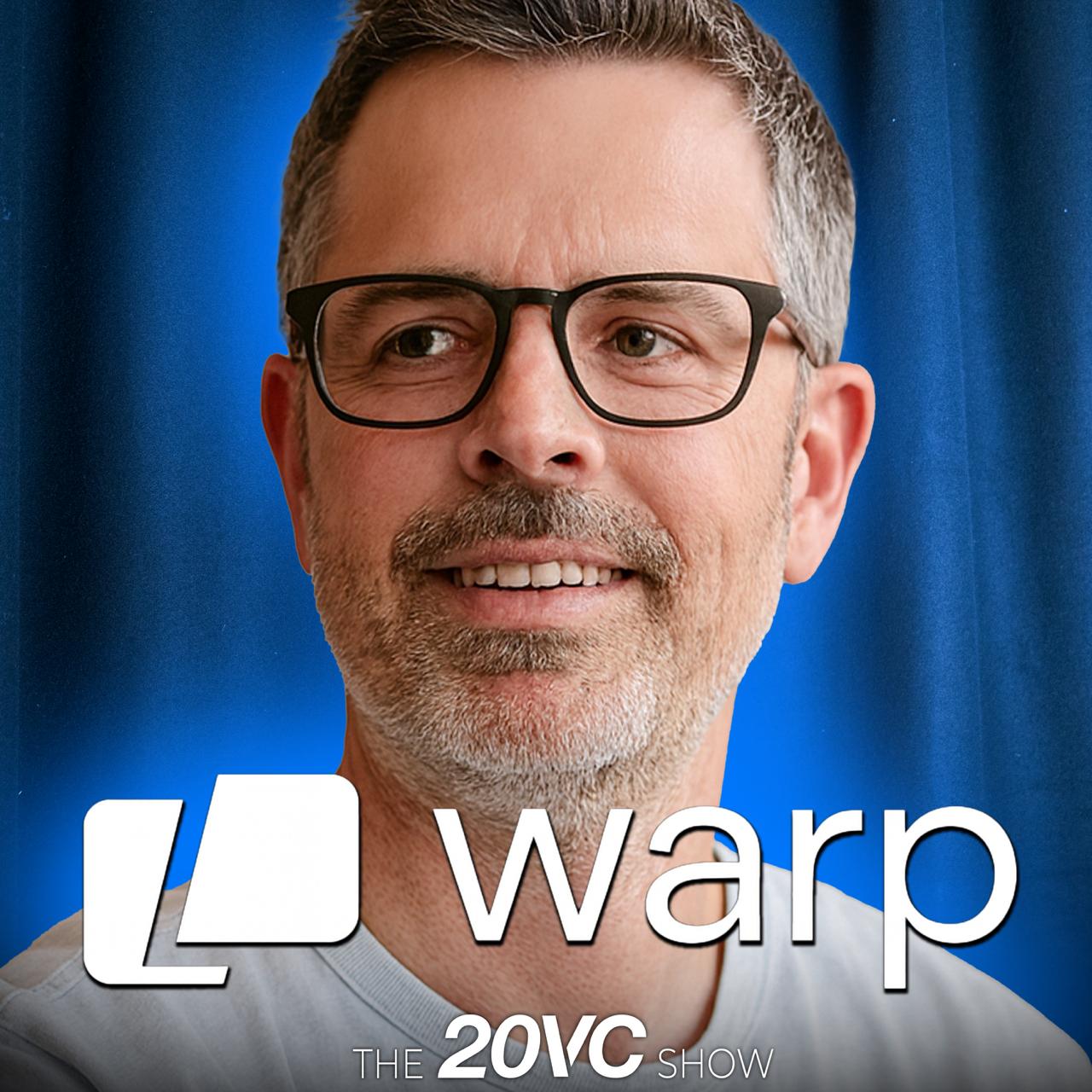
Top-tier VCs provide tangible, high-leverage support that acts as a 'cheat code' for founders. When Warp was being blocked by security software from CrowdStrike, a message to Sequoia partner Andrew Reed resulted in a same-day phone call with CrowdStrike's president to resolve the critical issue—access unavailable to most startups.
Ron Conway's influence extends beyond his portfolio because he's committed to the entire tech ecosystem. He shares a story of giving advice to Zoom founder Eric Yuan in a parking lot long before Zoom was successful. This willingness to help any founder, regardless of immediate ROI, builds immense long-term goodwill and deal flow.
Investors like Reid Hoffman see the fundraising negotiation not as a zero-sum game, but as a crucial test of a founder's character, realism, and suitability as a long-term partner. Unreasonable or unrealistic demands, even in a hot deal, are a negative signal that can kill an investment.